

Barcelona’s Gothic Quarter and Sagrada Família now receive such concentrated visitor volume that local authorities have introduced repeated restrictions aimed specifically at cruise tourism and short-term rentals. Valencia, Spain’s third-largest city, offers genuinely comparable architecture, beach access, and food culture at roughly half the tourist density.
Quick answer: swap Barcelona for Valencia if the priority is genuine Spanish city culture, paella (Valencia’s actual birthplace), and a striking modern architectural district without Barcelona’s overtourism pressure. Keep Barcelona on the itinerary if Gaudí’s specific architectural legacy is the non-negotiable draw, since Valencia doesn’t have a direct equivalent.
Barcelona vs Valencia: Head-to-Head
| Factor | Barcelona | Valencia |
|---|---|---|
| Annual visitors | Over 12 million | Roughly 4-5 million |
| Signature architecture | Gaudí (Sagrada Família, Park Güell) | City of Arts and Sciences (Calatrava) |
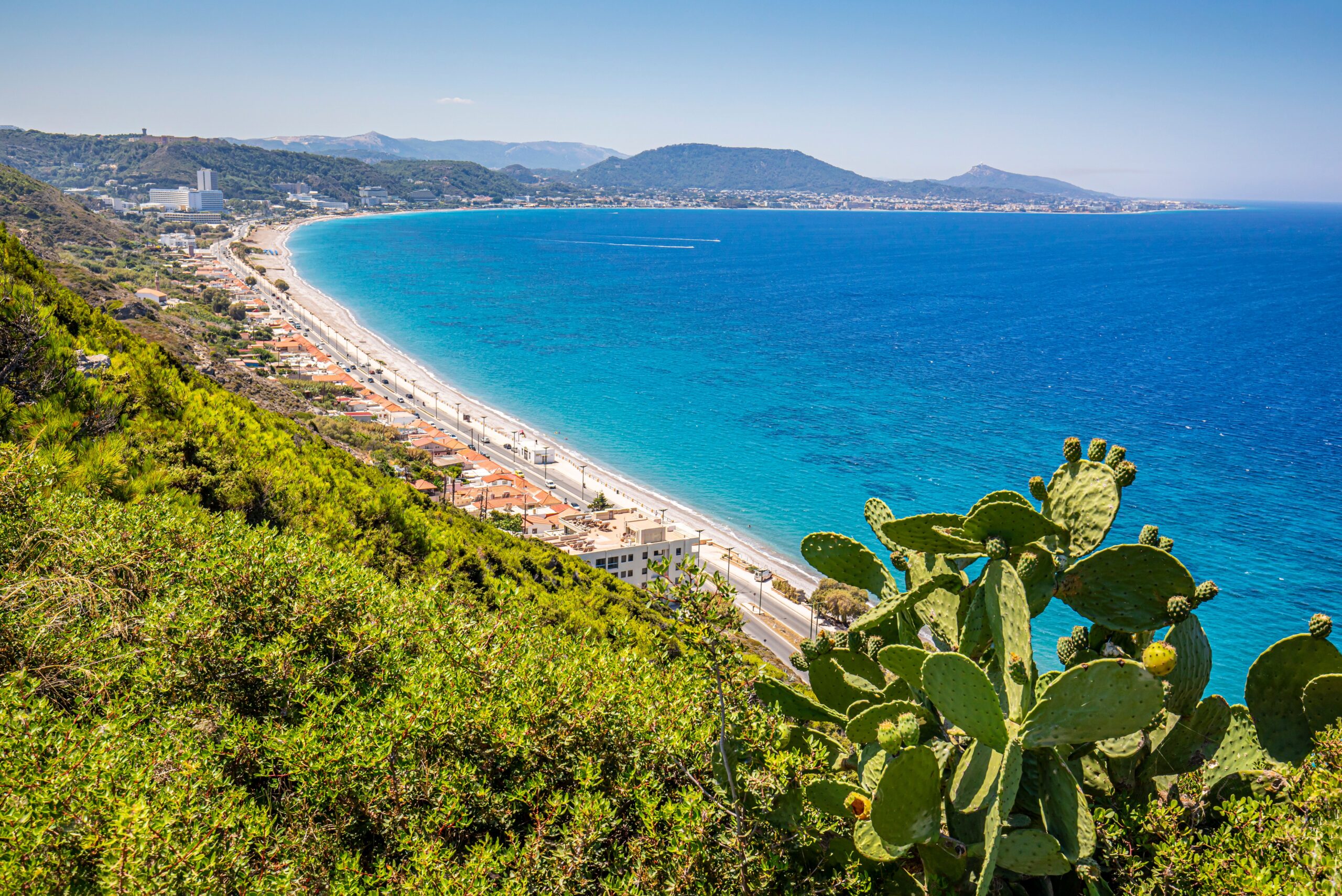
| Beach access | Barceloneta, urban but crowded | Malvarrosa, genuinely spacious |
| Accommodation (mid-range, per night) | £90-£170 | £55-£100 |
| Overtourism measures | Active restrictions on rentals, cruise limits | Considerably less pressure to date |
What Valencia Actually Offers
Valencia is the genuine birthplace of paella, and the dish here reflects centuries of local tradition rather than the more internationally adapted versions found elsewhere, including in Barcelona itself.
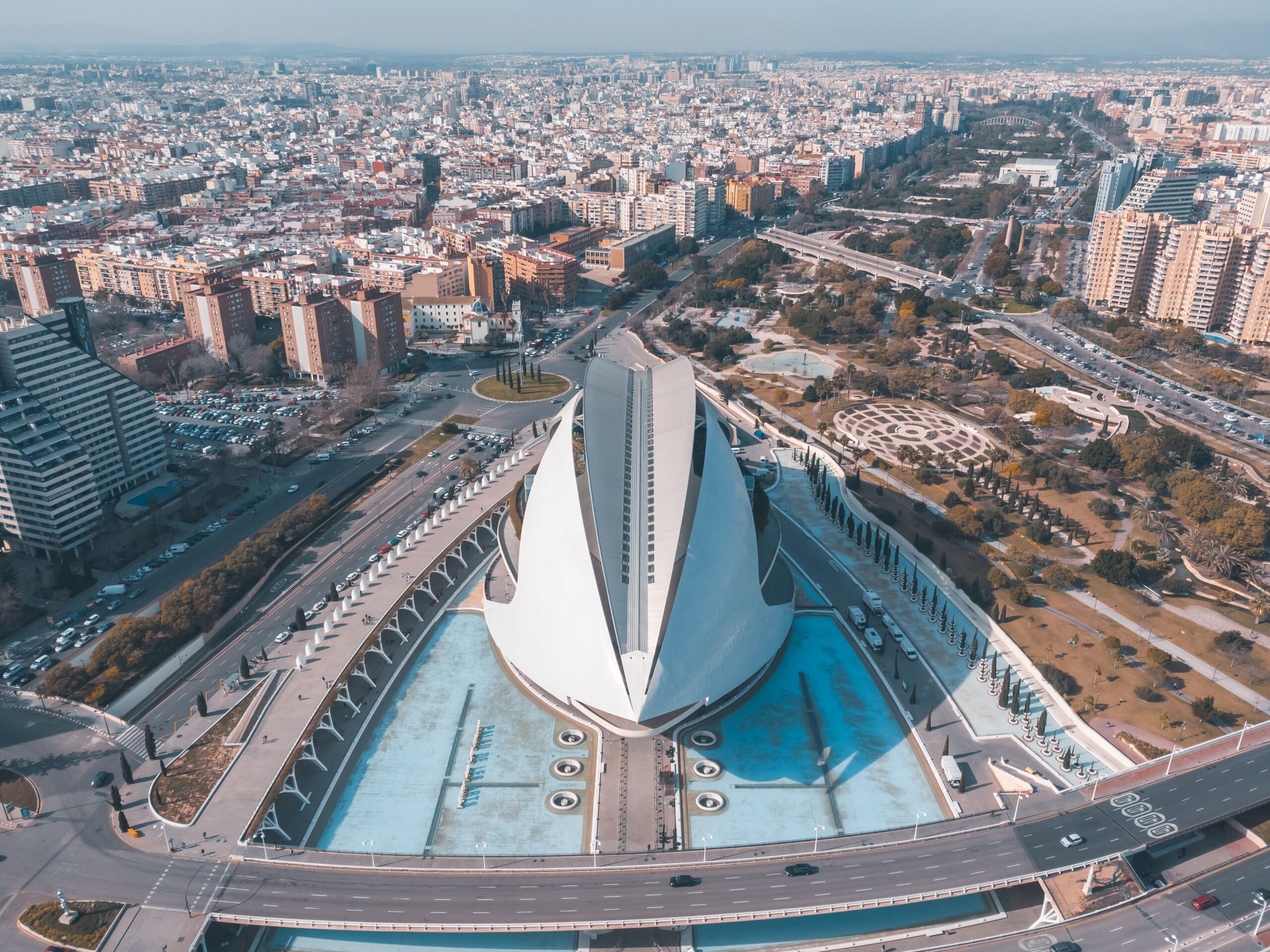
- City of Arts and Sciences: Santiago Calatrava’s striking futuristic complex, including an opera house, science museum, and Europe’s largest aquarium (Oceanogràfic), a genuinely singular architectural achievement rivalling Barcelona’s Gaudí sites for visual impact
- Turia Gardens (Jardín del Turía): a 9km former riverbed converted into a continuous park running through the city, genuinely one of the best urban green spaces in Europe, connecting the old town to the City of Arts and Sciences on foot or by bike
- Malvarrosa Beach: a genuinely spacious sandy beach directly accessible from the city, considerably less crowded than Barcelona’s Barceloneta given Valencia’s lower overall tourist density
- Central Market (Mercado Central): a striking Art Nouveau covered market, genuinely comparable to Barcelona’s La Boqueria in architectural interest but with noticeably fewer tourists and correspondingly better prices
Why Barcelona Still Wins for Specific Things
Gaudí’s body of work, the Sagrada Família, Park Güell, Casa Batlló, represents a genuinely unique architectural legacy without a direct equivalent anywhere else in the world, including Valencia. For travellers specifically wanting to experience Gaudí’s distinctive Modernist vision, that requires Barcelona itself.
The honest verdict: if Gaudí’s architecture is the non-negotiable purpose of the trip, that requires Barcelona despite its crowds. For travellers wanting genuine Spanish city culture, strong food, striking modern architecture, and beach access without the overtourism pressure, Valencia delivers considerably more breathing room.
What a Long Weekend Actually Costs
| Category | Barcelona (3 nights, per person) | Valencia (3 nights, per person) |
|---|---|---|
| Accommodation (split two ways) | £135-£255 | £82.50-£150 |
| Food | £90-£140 | £70-£110 |
| Activities/entry fees | £40-£70 | £35-£60 |
| Total | £265-£465 | £187.50-£320 |
Valencia runs roughly 30-35% cheaper than Barcelona across accommodation, food, and activities combined, a meaningful gap for a genuinely comparable Spanish city break experience.
Step-by-Step: Planning a Valencia Trip
- Fly directly into Valencia Airport, served by direct UK routes from several airports, removing any need to route through Barcelona or Madrid.
- Rent a bike for the Turia Gardens, since the full 9km park stretch is genuinely best explored by bike rather than on foot alone given its length.
- Book City of Arts and Sciences tickets online in advance, since the Oceanogràfic aquarium specifically can see queues during peak season.
- Try paella at a genuine local restaurant away from the immediate tourist strip, since Valencia’s authentic versions, cooked with rabbit and chicken rather than the seafood-heavy adaptations found elsewhere, differ meaningfully from what’s often served to tourists.
- Visit Malvarrosa Beach in the late afternoon for a genuinely pleasant, less crowded experience than the midday peak.
Frequently Asked Questions
Is Valencia as culturally rich as Barcelona, or is it a lesser alternative?
Genuinely comparable rather than lesser, with Valencia’s own strong architectural, culinary, and cultural identity distinct from Barcelona’s Catalan character, reflecting Valencia’s own regional heritage rather than functioning as a diminished substitute.
How do you get from Valencia to Barcelona if wanting to visit both?
High-speed AVE trains connect the two cities in roughly 3 hours, making it genuinely feasible to combine both into a single longer trip if time allows.
Is Valencia’s beach as good as Barcelona’s for a genuine beach day?
Yes, arguably better for a relaxed beach experience specifically, given Malvarrosa’s greater space and lower crowd density compared to Barceloneta’s more compressed, heavily-used urban beach.
What is the best time of year to visit Valencia?
March (specifically for the Las Fallas festival, a spectacular and genuinely unique local celebration) and the May-June, September shoulder seasons all offer strong visiting conditions, with July-August bringing intense heat that can make extended outdoor exploration less comfortable.
Las Fallas: Valencia’s Genuinely Unique Festival
Held each March, Las Fallas is one of Spain’s most spectacular and least internationally known major festivals, featuring enormous, elaborately constructed sculptures (fallas) displayed throughout the city before being ceremonially burned on the final night. This tradition, entirely distinct from anything in Barcelona’s own festival calendar, offers a genuinely compelling reason to time a Valencia trip specifically around mid-March, though it’s worth noting the city becomes considerably busier and louder (given nightly fireworks displays throughout the festival period) than its usual character.
Valencia’s Old Town: A Quieter Gothic Quarter Alternative
Valencia’s own historic centre, centred around the Cathedral and the Serranos Towers, offers genuinely comparable Gothic and medieval architecture to Barcelona’s famous Gothic Quarter, at a fraction of the foot traffic. The narrow streets around Plaza de la Virgen retain a lived-in, authentic character increasingly hard to find in Barcelona’s most photographed old town areas, now heavily shaped by souvenir shops and tour groups following the same well-worn routes.
How Locals Actually Feel About the Tourism Difference
Valencia’s residents have voiced considerably less of the organised anti-tourism sentiment seen in Barcelona in recent years, where protests and formal restrictions on short-term rentals reflect genuine local frustration with overtourism’s effect on housing and daily life. This isn’t to suggest Valencia is immune to similar pressures as its own tourism grows, but the current gap in visitor volume translates into a genuinely warmer, less strained welcome for visitors compared to some of Barcelona’s more tourism-fatigued neighbourhoods.
The Bottom Line
Valencia delivers genuine Spanish city culture, striking modern architecture, spacious beach access, and paella at its authentic source, all at roughly two-thirds the cost of Barcelona and without the overtourism pressure now defining much of the Catalan capital’s most famous sites. The trade-off is losing Gaudí’s uniquely singular architectural legacy, genuinely unmatched anywhere else, including Valencia.


