


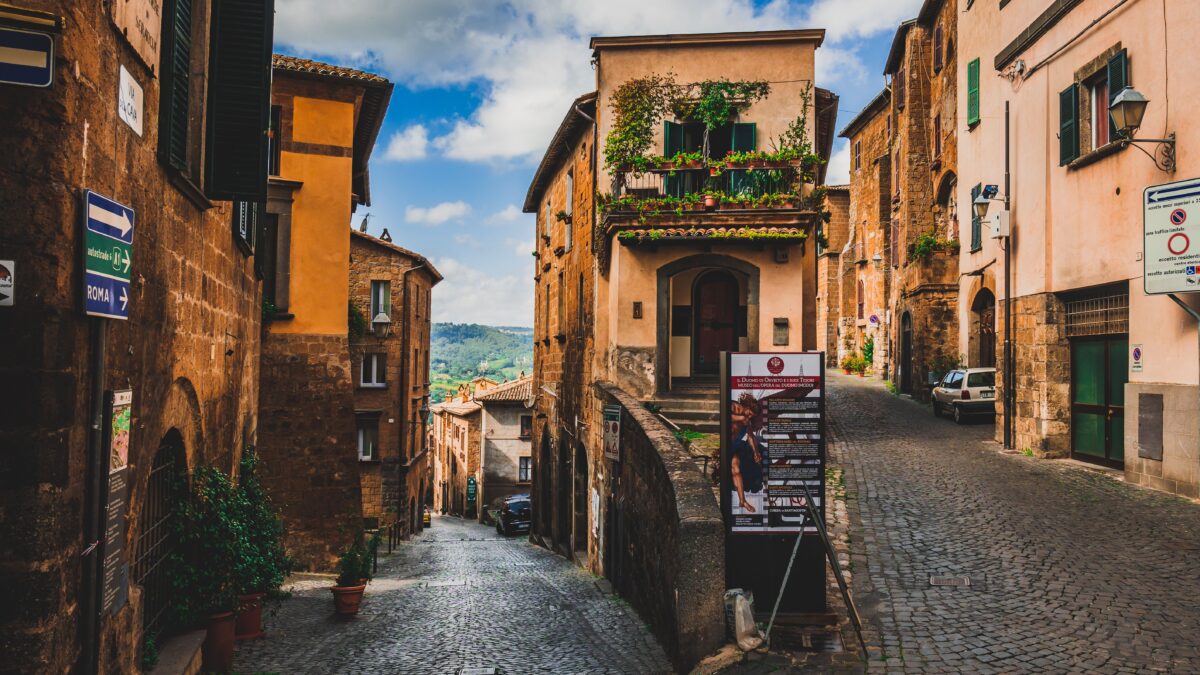
Tuscany’s hilltop towns, San Gimignano and Siena chief among them, now see such concentrated coach tour traffic that the region’s famous rolling-hills atmosphere often plays second fiddle to crowd management. Umbria, Tuscany’s landlocked neighbour, offers comparable hilltop towns and countryside at noticeably lower cost and crowd density.
Quick answer: swap Tuscany for Umbria if the priority is genuine hilltop-town atmosphere and countryside without Tuscany’s coach-tour saturation. Keep Tuscany on the itinerary if Florence’s specific Renaissance art collections and Chianti’s internationally famous wine region are the trip’s non-negotiable draws, since Umbria doesn’t replicate that particular combination.
Tuscany vs Umbria: Head-to-Head
| Factor | Tuscany | Umbria |
|---|---|---|
| Annual visitors | Over 45 million | A fraction of Tuscany’s total |
| Signature hilltop towns | San Gimignano, Siena | Orvieto, Assisi, Spello |
| Accommodation (mid-range, per night) | £100-£190 | £65-£120 |
| Wine region fame | Chianti, internationally renowned | Sagrantino di Montefalco, genuinely excellent but far less known |
| Coach tour density | Severe at peak sites | Considerably lighter |
What Umbria Actually Offers
Umbria shares Tuscany’s rolling hills, medieval hilltop towns, and strong wine and olive oil tradition, without the decades of intensive tourism development that have reshaped much of Tuscany’s most famous circuit.
- Orvieto: perched dramatically on a volcanic tuff plateau, home to one of Italy’s most striking Gothic cathedrals (Orvieto Duomo), with a genuine underground city of Etruscan and medieval tunnels beneath the town, considerably less visited than comparable Tuscan hilltop towns
- Assisi: the birthplace of St Francis, with the Basilica di San Francesco housing genuinely significant Giotto frescoes, offering a spiritual and artistic significance comparable to anything in Tuscany, at noticeably lower visitor density outside the most significant religious dates
- Spello: a smaller, genuinely picturesque hilltop town known for its flower-adorned streets, particularly during the Infiorate festival (Corpus Christi, typically June), when elaborate flower carpets cover the streets
- Sagrantino di Montefalco wine region: Umbria’s answer to Chianti, producing genuinely excellent, powerful red wines from a grape variety unique to this specific area, offered at wineries considerably less geared toward mass tourism than Chianti’s more internationally famous circuit
Why Tuscany Still Wins for Specific Things
Florence’s concentration of Renaissance art, the Uffizi Gallery, Michelangelo’s David, Brunelleschi’s Duomo, represents a genuinely unmatched artistic legacy without a direct Umbrian equivalent. Similarly, Chianti’s international wine fame and infrastructure genuinely exceed what Umbria’s smaller, less internationally marketed wine region currently offers.
The honest verdict: if Florence’s specific art collections or Chianti’s internationally established wine tourism infrastructure are the trip’s purpose, that requires Tuscany despite its crowds. For travellers wanting genuine hilltop-town atmosphere, strong regional food and wine, and considerably lower costs and crowds, Umbria delivers a meaningfully different, quieter Italian countryside experience.
What a Week Actually Costs
| Category | Tuscany (per person) | Umbria (per person) |
|---|---|---|
| Accommodation (6 nights, split two ways) | £300-£570 | £195-£360 |
| Food | £180-£280 | £140-£210 |
| Wine tastings/activities | £70-£130 | £50-£90 |
| Total (excluding flights) | £550-£980 | £385-£660 |
Umbria runs roughly 30-35% cheaper than Tuscany, a meaningful gap for a genuinely comparable hilltop-town countryside experience.
Step-by-Step: Planning an Umbria Trip
- Fly into Perugia (Umbria’s regional airport) or Rome, with a further drive or train connection, since Umbria has more limited direct UK flight connections than Tuscany’s Pisa or Florence airports.
- Rent a car for the full stay, since Umbria’s hilltop towns and countryside, like Tuscany’s, benefit significantly from independent transport between the region’s spread-out highlights.
- Book wine tastings directly with smaller Sagrantino producers, since Umbria’s less internationally marketed wine region often means direct, personal tastings rather than the more commercialised Chianti experience.
- Time a visit around Spello’s Infiorate festival if the dates align, a genuinely striking, less internationally known event compared to Tuscany’s more heavily marketed festival calendar.
- Visit Assisi’s Basilica early in the day, since it remains a significant pilgrimage site and can see genuine crowds around religious observances and peak season.
Frequently Asked Questions
Is Umbria as beautiful as Tuscany?
Genuinely comparable, sharing much of the same rolling-hills, hilltop-town character, though Tuscany retains specific globally famous landmarks (Florence’s art, San Gimignano’s towers) that Umbria’s equally attractive but less internationally marketed towns don’t directly replicate.
How do you get to Umbria from the UK?
Limited direct flights serve Perugia specifically; most travellers fly into Rome or Florence and continue by train or rental car, adding roughly 1.5-2.5 hours depending on the specific route and starting airport.
Is Umbria suitable for a first-time visit to this part of Italy?
Yes, particularly for travellers prioritising a relaxed pace and genuine local atmosphere over globally famous specific landmarks. First-time visitors specifically wanting the classic Tuscany postcard experience (Chianti vineyards, San Gimignano’s towers) should still prioritise that region directly.
What is the best time of year to visit Umbria?
May-June and September offer the strongest combination of comfortable weather and lower crowds, with July-August bringing peak Italian domestic tourist season, still notably less crowded than Tuscany’s equivalent peak.
Perugia: Umbria’s Regional Capital Worth Adding
Beyond the smaller hilltop towns, Perugia itself offers a genuinely strong base or day-trip addition, home to a significant university population (giving it a livelier evening atmosphere than some of the region’s quieter towns) alongside the striking Rocca Paolina, a fortress built partly underground into the city’s medieval foundations. Perugia’s Eurochocolate festival, held each October, adds a genuinely distinctive seasonal draw celebrating the city’s historic chocolate-making tradition, worth timing a visit around if the dates align with the wider trip.
What Makes Umbria’s Olive Oil Genuinely Distinctive
Umbria’s olive oil production, while less internationally marketed than Tuscany’s, is genuinely highly regarded among Italian food specialists, with the region’s DOP (Protected Designation of Origin) certification reflecting specific quality standards tied to the local terrain and traditional pressing methods. Several small producers around Trevi and Spoleto offer direct tastings and tours, a genuinely more personal, less commercialised experience than the larger-scale operations common in Tuscany’s more internationally geared olive oil tourism circuit.
Norcia: The Region’s Culinary Powerhouse
Beyond wine and olive oil, Norcia has given its name to Italian charcuterie tradition itself, “norcineria” refers broadly to Italian pork butchery and curing, reflecting this small Umbrian town’s centuries-old reputation for exceptional cured meats and truffle products. A visit to one of Norcia’s traditional norcinerie offers a genuinely distinctive food experience, black truffles from the surrounding hills feature heavily in local specialties, worth building into any Umbria itinerary specifically focused on regional gastronomy beyond the more commonly covered wine and olive oil circuit.
The Bottom Line
Umbria delivers genuine hilltop-town atmosphere, strong regional wine and food culture, and significant religious and historical sites, at roughly two-thirds the cost of Tuscany and without its intensive coach-tour saturation. The trade-off is accepting that Umbria’s towns, while equally deserving, don’t carry Florence or San Gimignano’s specific global name recognition.