
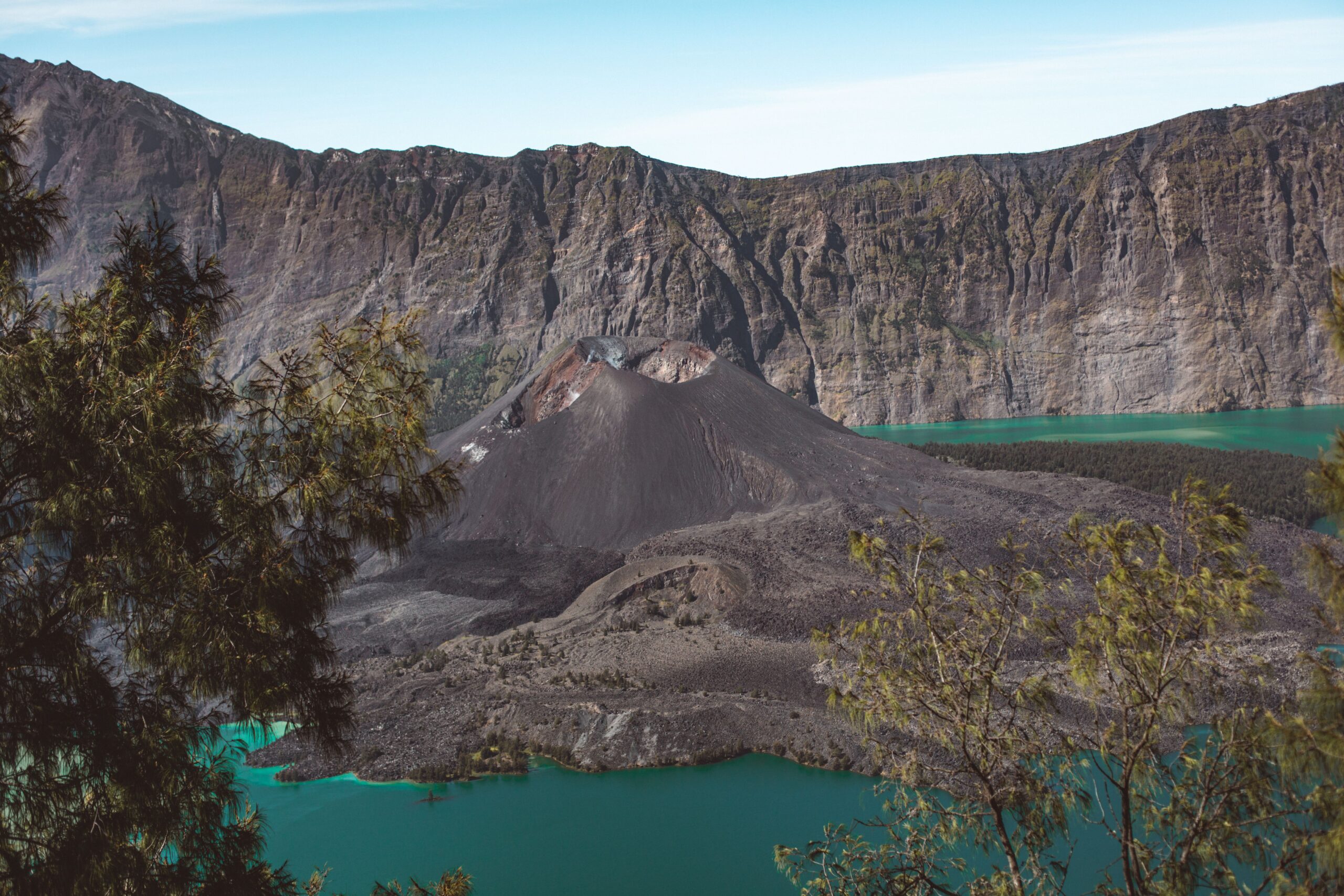
Mount Rinjani, Indonesia’s second-highest volcano at 3,726 metres, offers one of Southeast Asia’s most demanding and rewarding treks, culminating in a genuinely spectacular crater lake view and, for those completing the full summit push, a sunrise vista extending across Lombok and toward neighbouring Bali.
Quick answer: the Mount Rinjani trek is genuinely worth the physical demand for fit, well-prepared hikers, delivering a spectacular crater lake (Segara Anak) and, for summit-day completers, one of Indonesia’s most rewarding sunrise views. It’s a genuinely serious undertaking requiring proper fitness, not a casual add-on to a Lombok beach holiday.
What the 3-Day Trek Actually Involves
The standard 3-day, 2-night Rinjani trek follows a route from the Sembalun village side, ascending to the crater rim, descending to the crater lake, and summiting before descending via the Senaru route.
- Day 1: ascent from Sembalun through savanna grassland to the crater rim campsite, a genuinely demanding but manageable full day of hiking, typically 6-8 hours
- Day 2: summit attempt starting around 2-3am to reach the peak by sunrise, followed by a descent to Segara Anak crater lake for a well-earned rest and swim in the lake’s natural hot springs
- Day 3: trek out via the Senaru route, passing through genuine rainforest terrain distinct from the first day’s savanna landscape
The Genuine Physical Demand
This is a genuinely serious trek, not a casual hike, involving significant elevation gain, loose volcanic scree on the final summit push, and a demanding pre-dawn start that tests both fitness and mental resilience.
- Summit day specifically: the final ascent involves genuinely challenging loose scree terrain, where each step forward often slides back somewhat, requiring real physical stamina and patience
- Altitude considerations: while not extreme by high-altitude trekking standards, 3,726 metres is genuinely enough to cause altitude-related fatigue for some trekkers, worth taking seriously
- Not all trekkers summit: a meaningful proportion of trekkers who attempt the full route choose to stop at the crater rim or lake rather than pushing for the actual summit, a genuinely reasonable choice given the demand involved
Is the Summit Genuinely Worth the Extra Effort?
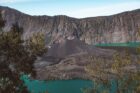
The honest verdict: the crater lake itself, reached by all standard trek itineraries regardless of whether the summit is attempted, delivers genuinely spectacular scenery on its own, a striking volcanic lake with natural hot springs, worth the trek even without the additional summit push. The summit specifically adds a further, genuinely more demanding layer, rewarding successful completers with a sunrise view extending across Lombok and toward Bali’s own volcanic peaks, a view many consider among the best in Indonesia.
For trekkers uncertain about their fitness for the full summit push: the crater lake portion alone genuinely justifies the trek, meaning choosing not to attempt the final summit ascent isn’t a failure of the overall experience.
What the Trek Actually Costs
| Category | Cost (GBP, per person) |
|---|---|
| Guided 3-day/2-night trek package (mandatory, includes guide, porters, camping equipment, meals) | £130-£200 |
| Sembalun/Senaru transport (often included in package) | Included |
| Tipping for guides and porters (recommended) | £15-£25 |
| Total | £145-£225 |
A licensed guide is genuinely mandatory for the Rinjani trek, following safety regulations introduced after past incidents; independent trekking without a registered guide isn’t permitted.
Step-by-Step: Planning This Trek
- Book through a reputable, licensed trekking operator, since guide quality genuinely varies and this affects both safety and overall trek experience significantly.
- Train specifically for sustained uphill hiking before the trip, since general fitness alone doesn’t fully prepare for the summit day’s specific demands.
- Pack proper hiking boots with good ankle support, given the genuinely challenging volcanic scree terrain, particularly on summit day.
- Bring layers for genuinely cold summit conditions, since temperatures at the crater rim and summit drop considerably below what Lombok’s tropical lowlands would suggest.
- Check current trail and park status before booking, since Rinjani has experienced periodic closures following volcanic activity or safety incidents, worth confirming current conditions close to travel dates.
Frequently Asked Questions
Is the Mount Rinjani trek safe?
Generally considered safe when using a licensed guide and following current safety guidelines, though the terrain and altitude represent genuine physical demands requiring proper preparation and fitness.
Do UK citizens need a visa for Indonesia?
UK passport holders can currently obtain a visa on arrival for short tourist stays in Indonesia, including Lombok; confirm current requirements against Indonesian immigration policy before travel.
Is 3 days enough time for the full Rinjani trek, or should more time be allowed?
3 days is the standard itinerary and genuinely sufficient for most fit trekkers, though some operators offer a 4-day version with a more gradual pace, worth considering for trekkers wanting less demanding daily distances.
What is the best time of year to trek Mount Rinjani?
April through November (the dry season) offers the only genuinely safe and permitted trekking window, since the park typically closes entirely during the wet season (December-March) due to dangerous trail conditions.
Combining Rinjani With the Gili Islands
Lombok’s position near the Gili Islands, a genuinely popular beach destination, makes it easy to combine a demanding Rinjani trek with several days of post-trek beach recovery. Many trekkers deliberately plan a few relaxed days on Gili Trawangan or Gili Air immediately following the descent, both as a genuine physical reward and a practical way to ease back into a more relaxed pace after the trek’s significant exertion.
What Porters and Guides Actually Carry
Rinjani’s guided trek system typically includes porters carrying camping equipment, food, and cooking supplies, meaning trekkers themselves generally only need to carry a daypack with personal items and water. This support system genuinely makes the trek more accessible than it might initially sound given the terrain’s demands, though trekkers should still expect several hours of sustained hiking each day regardless of the logistical support provided.
The Bottom Line
Mount Rinjani delivers a genuinely demanding but spectacularly rewarding trek, with the crater lake alone justifying the effort and the optional summit push adding one of Indonesia’s most celebrated sunrise views for trekkers with sufficient fitness and determination. The honest recommendation is proper physical preparation beforehand and accepting that stopping at the crater lake rather than pushing for the summit represents a perfectly legitimate, still genuinely rewarding version of this trek.