
Torres del Paine National Park in Chilean Patagonia offers some of the most dramatic mountain scenery on Earth, granite towers, glaciers, and turquoise lakes, all within a climate that stays genuinely cool even during the Southern Hemisphere’s summer, making it a compelling “coolcation” alternative to increasingly hot Northern Hemisphere summer destinations.
Quick answer: the 7-day W-Trek through Torres del Paine costs roughly £550-£750 per person excluding international flights, based on a mix of refugio (mountain hut) and camping accommodation, meals, and park entry fees. Patagonian summer temperatures typically range 10-20°C, genuinely cool relief for travellers timing a trip to coincide with December-February.
The W-Trek Route at a Glance
| Days | Section | Highlight | Accommodation |
|---|---|---|---|
| 1-2 | Torres base | The granite towers themselves | Refugio/camping near Torres |
| 3-4 | Valle Francés | Glacier-carved valley, hanging glaciers | Refugio/camping mid-route |
| 5-7 | Grey Glacier | Massive glacier, icebergs on Grey Lake | Refugio/camping near Grey |
Day-by-Day Breakdown
Days 1-2: The Torres (Towers)
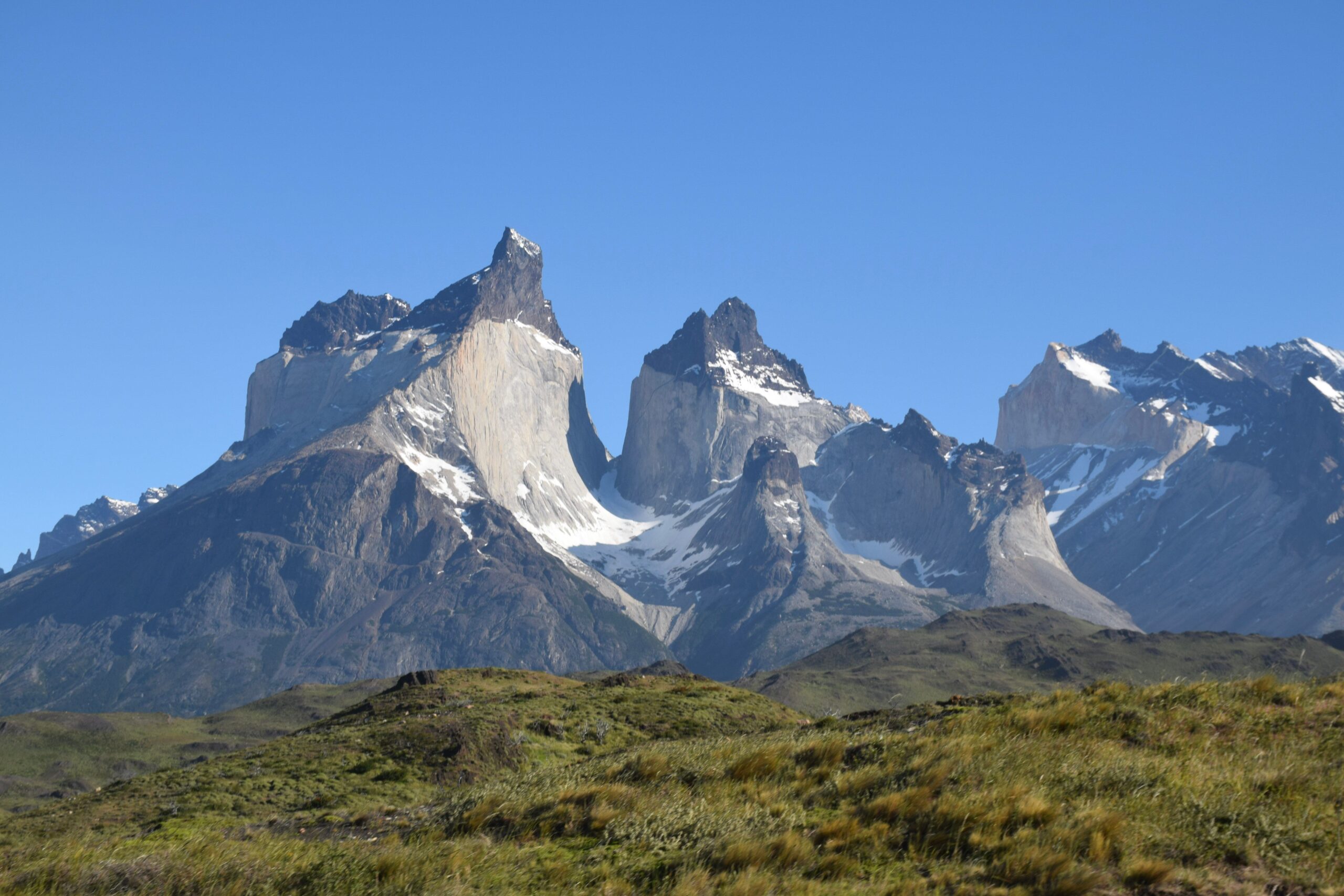
The trek’s most iconic sight, the three granite Torres del Paine towers, requires a demanding but achievable day hike from the base camp area.
- Torres viewpoint hike: a genuinely challenging final ascent (roughly 1 hour of steep, rocky terrain) rewards hikers with a spectacular view of the three granite towers rising directly from a turquoise glacial lake
- The 6am principle applies directly here. Starting the hike before dawn allows hikers to reach the viewpoint for sunrise, when the towers catch the first light in a genuinely striking display, before the day’s main crowds arrive
- Accommodation: refugios (mountain huts with dormitory-style beds and meals included) run £45-£75/night; camping (bringing or renting equipment) runs £15-£25/night
Days 3-4: Valle Francés
The trek’s middle section climbs into the French Valley, a genuinely dramatic glacier-carved valley offering views of hanging glaciers and, with some luck, the sound and sight of avalanches calving from the surrounding peaks.
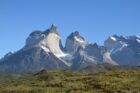
- Valle Francés viewpoint: a demanding but rewarding side trip from the main trail, offering panoramic views of the valley’s glaciers and the distinctive Cuernos (horns) peaks
- Accommodation: refugios or camping at Paine Grande or Frances camp, similarly priced to the Torres section
Days 5-7: Grey Glacier
The trek’s final section reaches Grey Glacier, part of the Southern Patagonian Ice Field, offering genuinely spectacular views of the glacier’s face and the icebergs it calves into Grey Lake.
- Grey Glacier viewpoint: free to view from the trail itself, with optional boat tours available for closer glacier access (roughly £80-£120, worth it specifically for seeing the ice formations up close)
- Accommodation: refugio or camping at Grey, completing the standard W-Trek route
What £550-£750 Actually Covers
| Category | Total for 7 Days (GBP, per person) |
|---|---|
| Refugio accommodation (6 nights, mixed with some camping) | £250-£380 |
| Meals (if not self-catering) | £150-£220 |
| Park entry fee | £30-£40 |
| Transport to/from Puerto Natales | £30-£50 |
| Total | £460-£690 |
Camping throughout rather than using refugios significantly reduces cost, though it requires carrying or renting proper equipment and self-catering all meals, worth weighing against the refugio system’s genuine convenience.
Step-by-Step: Planning This Trek
- Book refugio and campsite reservations well in advance, since Torres del Paine operates a genuinely strict booking system with limited capacity at each stop, particularly during peak season (December-February).
- Fly into Punta Arenas and connect via bus to Puerto Natales, the standard gateway town for the park, roughly 3 hours from the airport.
- Pack for genuinely unpredictable Patagonian weather, since conditions can shift dramatically within a single day regardless of season, proper waterproof and windproof layers are essential.
- Consider the boat tour to Grey Glacier specifically, since seeing the ice formations up close delivers a meaningfully different perspective than the trail viewpoint alone.
- Start the Torres viewpoint hike before dawn for the sunrise light effect and to avoid the trail’s busiest midday hours.
Frequently Asked Questions
Do UK citizens need a visa for Chile?
No, UK passport holders can enter Chile visa-free for tourist stays of up to 90 days.
How difficult is the W-Trek for less experienced hikers?
Genuinely demanding overall, given the sustained daily distances and some steep sections, though achievable for reasonably fit hikers without requiring technical mountaineering skills.
Is it possible to do a shorter version of the W-Trek if 7 days isn’t feasible?
Yes, some itineraries compress the route into 4-5 days by skipping certain sections or using additional transport between key points, though this sacrifices some of the trek’s full scenic range.
What is the best time of year for the Torres del Paine W-Trek?
November through March (Southern Hemisphere spring through autumn) offers the most viable trekking conditions, with December-February representing peak season and, genuinely, the coolest relief from Northern Hemisphere summer heat for travellers specifically seeking that contrast.
The Full Circuit (O-Trek) as a Longer Alternative
For trekkers with more time and a higher fitness level, the full Torres del Paine Circuit (the “O-Trek”) extends the standard W-Trek route into a genuinely more remote, roughly 8-10 day loop covering the park’s less-visited backside. This offers meaningfully lower crowd density than the W-Trek’s more popular route, worth considering for repeat visitors or those specifically seeking a wilder, less-trafficked Patagonian trekking experience.
Wildlife Worth Watching For
Torres del Paine’s genuine wildlife population includes guanacos (a wild relative of the llama, frequently spotted grazing near the park’s entrance roads), Andean condors soaring on thermal updrafts near the peaks, and, for particularly fortunate trekkers, the elusive puma, whose presence in the park has drawn growing specialist wildlife tourism interest in recent years. Bringing binoculars adds genuine value to the trek beyond the landscape scenery alone, particularly for the guanaco herds visible from several trail sections.
The Bottom Line
Torres del Paine’s W-Trek delivers some of the most dramatic mountain and glacier scenery on Earth, granite towers, hanging glaciers, and turquoise lakes, within a genuinely cool Patagonian summer climate that offers real relief from increasingly extreme Northern Hemisphere heat. The honest recommendation is booking refugio and campsite reservations as early as possible, since this remains the single biggest logistical constraint on an otherwise genuinely achievable and extraordinarily rewarding trek.