
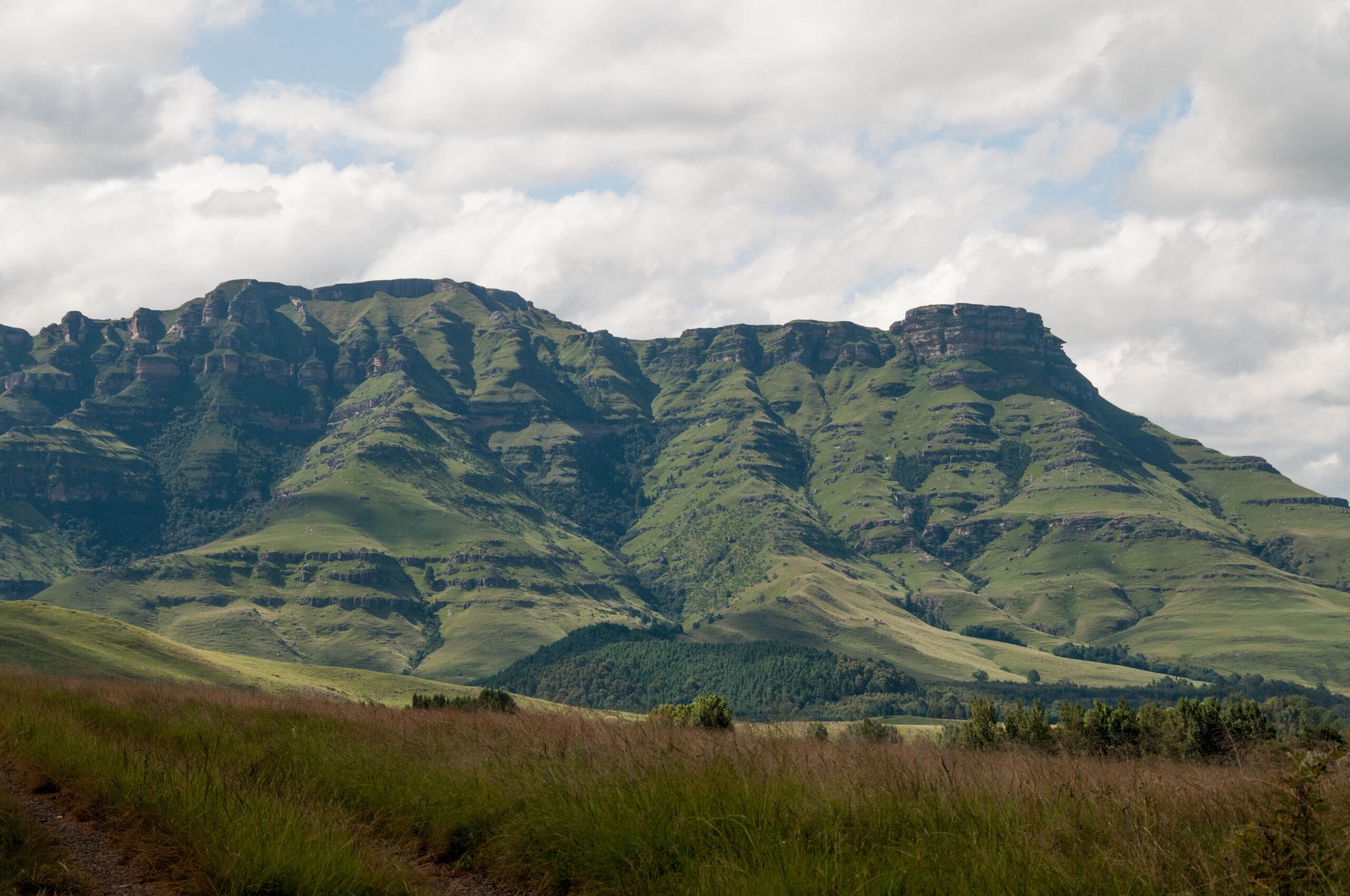
The Drakensberg range, South Africa’s highest mountains and a UNESCO World Heritage Site, offers genuinely dramatic escarpment scenery and comfortable summer temperatures that provide real relief from the extreme heat increasingly common across Southern Europe and other Northern Hemisphere summer destinations.
Quick answer: 7 days exploring the Drakensberg’s Amphitheatre, Cathedral Peak, and Giant’s Castle areas costs roughly £420-£540 per person excluding flights, based on mid-range lodge stays, three meals a day, and a rental car for the full week. Summer temperatures in the Drakensberg typically range 18-25°C during the day, genuinely comfortable compared to Europe’s intensifying summer heatwaves.
The 7-Day Route at a Glance
| Days | Area | Highlight | Accommodation Cost |
|---|---|---|---|
| 1-2 | Northern Drakensberg | Amphitheatre, Tugela Falls | £45-£75/night |
| 3-4 | Central Drakensberg | Cathedral Peak, Champagne Castle | £40-£70/night |
| 5-7 | Southern Drakensberg | Giant’s Castle, San rock art | £35-£65/night |
Day-by-Day Breakdown
Days 1-2: Northern Drakensberg (Amphitheatre)
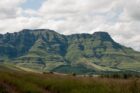
The Amphitheatre, a genuinely spectacular 5km-long rock wall rising dramatically from the surrounding plains, anchors this trip’s opening days, offering some of the most photographed mountain scenery in South Africa.
- Tugela Falls: among the world’s tallest waterfalls (rankings vary by measurement method), reached via a genuinely rewarding day hike from the Royal Natal National Park section, with views over the falls’ full dramatic drop
- The Amphitheatre viewpoint hike: a moderate to demanding trail offering panoramic views of the escarpment, genuinely one of South Africa’s most striking natural landmarks
- Dinner: a full meal at a lodge or nearby restaurant runs ZAR 150-280 (£6.40-£12) per person
Days 3-4: Central Drakensberg (Cathedral Peak)
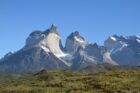
The drive to the central Drakensberg region takes roughly 2-2.5 hours, reaching Cathedral Peak and the Champagne Castle area, home to some of the range’s most technically demanding and visually striking peaks.
- Cathedral Peak day hikes: several routes of varying difficulty offer genuine mountain scenery without requiring the most demanding summit attempts, suited to a range of fitness levels
- Champagne Castle: South Africa’s third-highest peak, offering serious mountaineering routes for experienced climbers alongside gentler valley walks accessible to less experienced hikers
- Dinner: a full meal at a central Drakensberg lodge runs ZAR 180-320 (£7.70-£13.65) per person
- Accommodation: lodges from £40-£70/night
The 6am principle applies at the most popular Drakensberg viewpoints. Starting hikes early genuinely avoids both the midday heat and the afternoon cloud buildup common in this mountain range, which can obscure views by early afternoon even on otherwise clear days.
Days 5-7: Southern Drakensberg (Giant’s Castle)
The drive further south, roughly 2 hours, reaches Giant’s Castle, a region genuinely significant for both its mountain scenery and its concentration of ancient San (Bushmen) rock art.
- San rock art sites: several genuinely significant rock art galleries within the Giant’s Castle reserve, offering insight into one of the world’s oldest continuous artistic and cultural traditions, with guided tours available through the reserve
- Giant’s Castle hiking trails: a range of routes from gentle valley walks to more demanding highland treks, with strong wildlife viewing opportunities including eland and, with luck, bearded vultures
- Dinner: a full meal in the Giant’s Castle area runs ZAR 150-260 (£6.40-£11.10) per person
What £420-£540 Actually Covers
| Category | Total for 7 Days (GBP, per person) |
|---|---|
| Accommodation (6 nights, split two ways) | £120-£210 |
| Food (three meals daily) | £110-£160 |
| Rental car (full week, split two ways) | £70-£100 |
| Activities/entry fees | £40-£70 |
| Total | £340-£540 |
Step-by-Step: Booking This Trip
- Fly into Durban and rent a car for the full week, since the Drakensberg’s various sections, Amphitheatre, Cathedral Peak, and Giant’s Castle, are genuinely spread across a significant distance requiring independent transport.
- Book San rock art guided tours in advance at Giant’s Castle, since access to some sites requires a booked, ranger-led visit rather than independent exploration.
- Start hikes early morning specifically to avoid the range’s characteristic afternoon cloud buildup, which can genuinely obscure views by early afternoon.
- Pack for genuinely variable mountain weather regardless of season, since the Drakensberg’s elevation means conditions can shift meaningfully even during the more stable summer months.
- Check current wildlife and hiking trail advisories with each specific reserve before setting out, since conditions and access can vary by season and recent weather.
Frequently Asked Questions
Do UK citizens need a visa for South Africa?
No, UK passport holders can enter South Africa visa-free for tourist stays of up to 90 days.
How much cooler is the Drakensberg compared to Southern Europe in summer?
Typically 10-15°C cooler, with the Drakensberg’s elevation keeping summer daytime temperatures generally in the 18-25°C range compared to Southern Europe’s increasingly common 35-40°C+ heatwave conditions.
Is the Drakensberg suitable for less experienced hikers?
Yes, genuinely, with a wide range of trail difficulty across all three regions covered in this itinerary, from gentle valley walks to serious technical mountaineering routes, suiting most fitness levels.
What is the best time of year for this Drakensberg route?
November through March (Southern Hemisphere summer) offers the warmest, most comfortable conditions, though this is also the region’s wet season, meaning afternoon thunderstorms are genuinely common and worth planning hikes around.
Ukhahlamba-Drakensberg Park’s UNESCO Dual Status
The Drakensberg’s UNESCO World Heritage listing recognises both its natural scenic value and its cultural significance, particularly the concentration of San rock art sites throughout the range, representing one of the largest and most significant collections of this ancient art form anywhere in the world. This dual natural and cultural designation is genuinely rare among UNESCO sites, reflecting the Drakensberg’s exceptional combination of dramatic landscape and irreplaceable human historical record spanning thousands of years.
Lesotho Border Considerations for Extended Trips
The Drakensberg range sits directly along South Africa’s border with the mountain kingdom of Lesotho, and several hiking routes, particularly in the northern Drakensberg near the Amphitheatre, offer genuine access points into Lesotho for travellers with additional time and proper documentation. This adds a worthwhile extension possibility for travellers wanting to combine their Drakensberg trip with a taste of this distinct, high-altitude neighbouring country, though this requires separate planning and confirmation of current border crossing requirements.
The Bottom Line
The Drakensberg delivers genuinely dramatic escarpment scenery, significant San rock art heritage, and a range of hiking difficulty across three distinct regions, all within a comfortable summer climate offering real relief from Northern Hemisphere heat. The honest recommendation is starting each day’s hiking early given the range’s characteristic afternoon cloud buildup, ensuring the best possible visibility for what remains some of Southern Africa’s most striking natural scenery.