


The Georgia wine guide for the wine drinker who has encountered the orange wine, been told it is Georgian, and wants to understand what that means before the next bottle: the qvevri method (the clay amphora buried in the cellar floor, the wine fermented with the skin contact for months rather than the hours that produces the standard white wine, the method that is not a novelty but the original), the rkatsiteli grape (the white grape that Georgia has cultivated for 3,000+ years and that gives the amber wine its specific backbone), and the specific wine regions (the Kakheti for the traditional qvevri wines, the Kartli for the lighter style, the Racha-Lechkhumi for the naturally semi-sweet Khvanchkara that the Soviet Politburo requested by name from the Caucasus) with the wineries worth visiting and the wines worth buying.
Reading time: 8 minutes | Last updated: 2026
The Qvevri Method
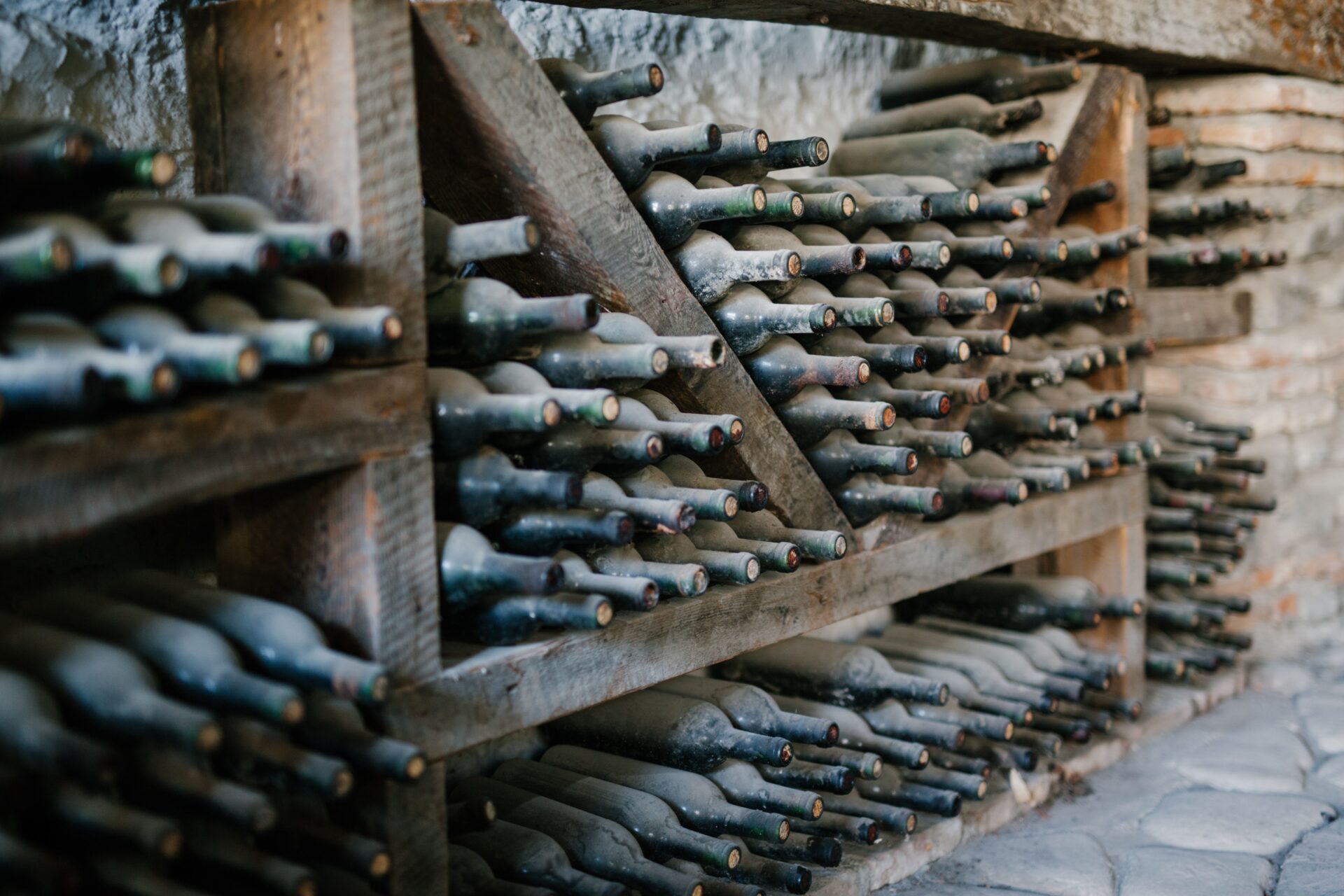
The qvevri (the clay vessel — the egg-shaped amphora buried up to its shoulder in the cellar floor, the interior coated with beeswax to seal the porous clay, the wine fermented and aged in the vessel): the UNESCO Intangible Cultural Heritage designation (2013) recognises the qvevri winemaking method as a living cultural practice rather than a historical technique.
Why the underground: The cellar temperature at the qvevri’s depth (1.5-2 metres below the ground surface) remains at 12-14°C year-round in the Kakheti climate — the natural temperature control that the modern winery achieves mechanically.
The skin contact: The rkatsiteli or the mtsvane grape (white grapes) are pressed and the juice, the skins, the pips, and the stems (chacha in Georgian — the grape solids) are placed together in the qvevri. The fermentation (the sugar converting to alcohol over 2-4 weeks) occurs with the grape solids in contact with the juice. The solids then settle to the bottom of the qvevri over the winter, the clear wine above. The skins give the amber colour (the polyphenols from the skin giving the orange-amber hue), the tannin (the structure and the grip that distinguishes the amber wine from the conventional white), and the specific flavour compounds (the walnut, the dried apricot, the tea, the oxidative note from the clay’s slight permeability).
The sealing: At the end of the maceration period (typically November-January in the Kakheti harvest season), the qvevri is sealed with a beeswax-lined lid and left until the spring racking. The wine is decanted from the qvevri in March-April, the chacha removed, and the wine returned to the clean qvevri for a further 6 months of maturation.
The Grapes
Rkatsiteli: The white grape variety of eastern Georgia, one of the oldest cultivated grape varieties in the world (the archaeological evidence from the Gadachrili Gora site dates the rkatsiteli cultivation to 6000 BCE). The rkatsiteli gives the qvevri wine its backbone — the high natural acidity (the grape’s specific character in the Kakheti climate gives pH 3.0-3.2, the acidity that preserves the wine and gives the specific freshness that the heavy amber wine otherwise lacks). The flavour: the dried apricot, the walnut, the honey, the tea.
Saperavi: The Georgian red grape — the only teinturier grape in the Caucasus (the grape with the red flesh as well as the red skin, giving the ink-dark wine from the single variety). The Saperavi wine: the blackberry, the plum, the iron, the specific Kakheti red that the Mukuzani (the most respected Saperavi appellation) gives at its most concentrated.
Mtsvane: The white grape of the Kakheti — lighter, more aromatic than the rkatsiteli, the grape that the Kakheti winemakers blend with the rkatsiteli for complexity or bottle as the single variety for the aromatic profile.
Khvanchkara: The naturally semi-sweet red wine from the Racha-Lechkhumi region (the Aleksandrouli and the Mujuretuli grapes, the naturally high residual sugar from the interrupted fermentation) — the wine that Stalin reportedly had delivered to the Kremlin and that the Georgian wine reputation in the Soviet era rested on. The Khvanchkara is not a qvevri wine — it is produced in the modern winery with the conventional temperature control that stops the fermentation before dryness.
The Kakheti Wine Region
The Telavi area:
The Pheasant’s Tears Winery (the John Wurdeman winery in the Sighnaghi area — the American artist who moved to Georgia, married into the winemaking tradition, and established the reference natural qvevri winery in Kakheti): the tasting available by appointment, the Rkatsiteli-Mtsvane blend the signature wine. Book at pheasantstears.com.
The Iago’s Wine (the Kartli region — the Chinuri grape, the carbonic maceration method (the semi-carbonic that produces the lighter, more immediately accessible qvevri wine), the winery that introduced the accessible entry point to the natural Georgian wine to the international market):
The Schuchmann Wines (the Telavi estate winery — the most visitor-ready of the Kakheti producers, the tasting room, the accommodation in the estate guesthouse, the full Kakheti circuit of the single-variety qvevri wines available in a single tasting): book at schuchmann-wines.com.
The Alaverdi Monastery Winery:
The Alaverdi Cathedral (the 11th-century cathedral in the Alazani Valley, the monastery cellar beneath the cathedral where the monks have produced wine since the 6th century — the current production using the qvevri in the original monastery cellar, the wine available at the monastery shop): the most historically specific single wine purchase in Georgia. The monastery wine is not commercially exported — it is available only at the cellar.
The Wine Shop in Tbilisi
The Ghvino Underground (Sharden 14, Tbilisi — the natural wine bar and shop with the most comprehensive qvevri wine selection in the capital): the tasting by the glass (GEL 8-25 / £2.24-6.99 per glass), the bottle purchase for the trip home (GEL 30-80 / £8.39-22.38 per bottle). The natural wine community’s Tbilisi reference.
The Grand Cellar (the national wine cellar beneath the Vorontsov Palace, the state collection of Georgian wines including the Khvanchkara vintage bottles): the tour and tasting available, the historical Georgian wine collection from the Soviet era.