


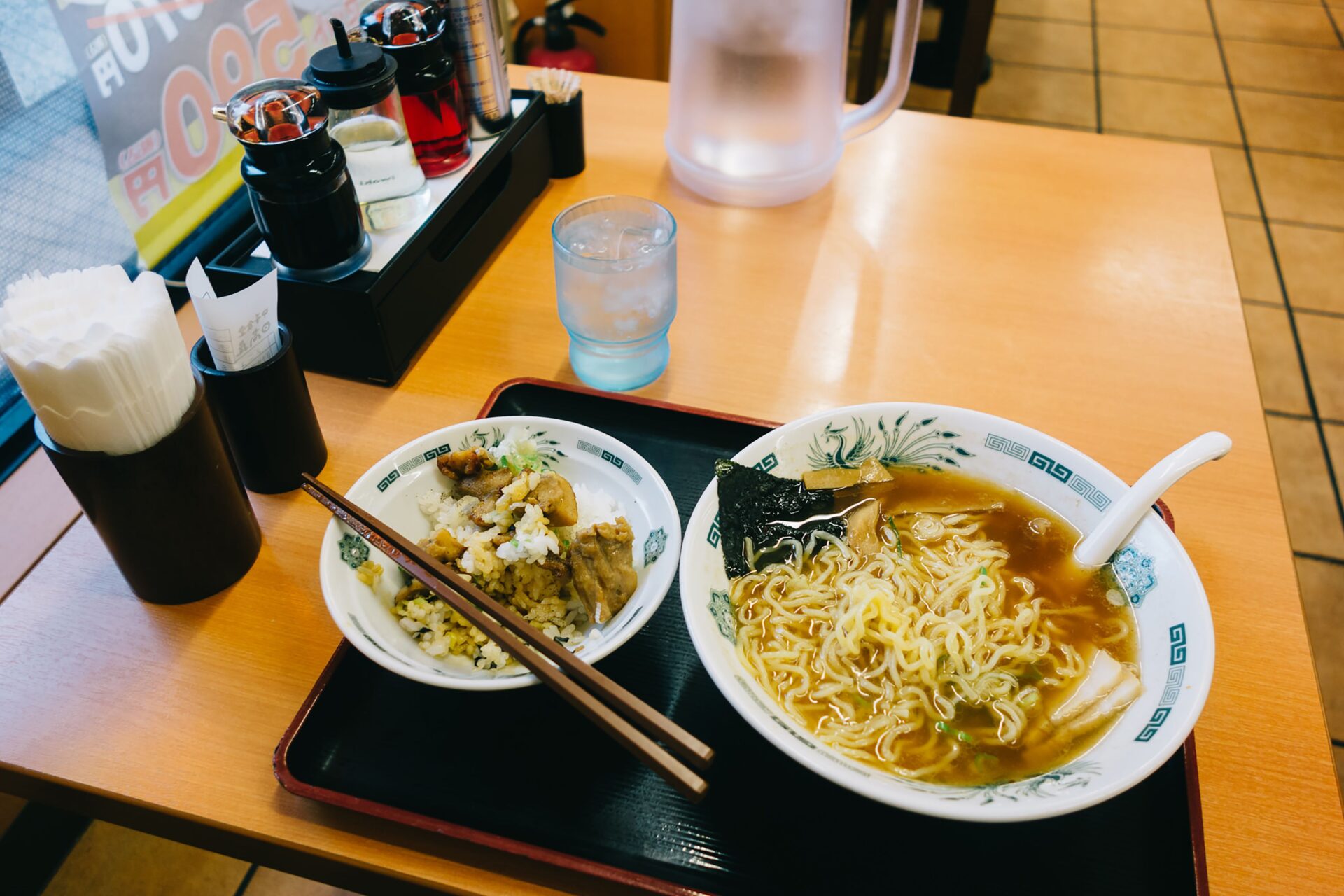
The ramen guide that treats the four major Japanese regional styles as the genuinely different dishes they are rather than variations on the theme: the Sapporo miso ramen (the miso paste stirred directly into the bowl before the broth is added, the corn and the butter floating on the surface, the specific Hokkaido dairy culture visible in the fat content that the northern climate requires), the Hakata tonkotsu (the pork bone broth simmered for 18 hours until it turns white and opaque and rich and slightly gelatinous, the thin noodle, the Fukuoka bowl that requires the takana (the pickled mustard greens) from the counter to cut the richness), the Tokyo shoyu (the soy sauce-based clear amber broth, the wavy medium noodle, the chashu pork visible at the bowl’s surface, the most internationally imitated and least accurately replicated of the four styles), and the Kyoto chicken paitan (the chicken bone white broth, the specific Kyoto restraint applied to the ramen, the bowl that is simultaneously richer and more delicate than the Hakata tonkotsu).
Reading time: 8 minutes | Last updated: 2026
The Ramen Origin
Ramen is a 20th-century dish — the wheat noodle in the Chinese broth style (lamian in Chinese, the pulled noodle) arrived in Japan with the Chinese immigrant communities in the late 19th century. The specific Japanese ramen emerged in the post-war period (the American wheat import programme after 1945 gave Japan a surplus of wheat flour, the ramen stalls using the accessible ingredient to feed the postwar population): the national dish that is 80 years old.
The specific regional styles developed as the local ingredient traditions (the Hokkaido dairy, the Kyushu pork, the Kyoto chicken) shaped the broth philosophy of each region. The bowl in Sapporo reflects Hokkaido; the bowl in Fukuoka reflects Kyushu; neither reflects the other.
The Four Styles
1. Hakata Tonkotsu — Fukuoka
The broth: The pork bone (tonkotsu) simmered at a rolling boil (the specific technique — the high heat emulsifies the fat into the broth, turning the liquid opaque white, the gelatin from the bone giving the specific mouthfeel): 12-18 hours of simmering.
The noodle: The thin straight noodle (the hakata noodle, 1.5mm diameter — the thinnest of the regional styles, the noodle that cooks in 20-30 seconds in the broth). The kaedama system (the refill noodle — the Fukuoka custom of ordering additional noodles to go into the remaining broth when the first portion is finished, the word “kaedama” shouted to the kitchen, the fresh noodle delivered in 30 seconds): the most specifically Fukuoka ramen custom and the reason the Hakata bowl is served with less broth than the Tokyo equivalent.
The toppings: The chashu pork (the braised pork belly, sliced), the soft-boiled egg (ajitsuke tamago), the nori (the dried seaweed), and the beni shoga (the pickled red ginger) plus the takana (the pickled mustard greens available at the counter in unlimited quantities — the takana is the correct Hakata accompaniment, not an optional extra).
Where in Fukuoka: The Ichiran (the chain — the solo booth ramen, the privacy screen, the order form specifying the broth strength, the noodle firmness, the richness, the garlic, the green onion, and the chashu in writing before the bowl arrives): the most controlled ramen experience available in Japan, the first ramen for the visitor who wants to specify the bowl without the Japanese language requirement.
The Shin-Shin (the Hakata station area — the most cited Fukuoka ramen by the local food press, the bowl that demonstrates the tonkotsu at its most refined without the Ichiran’s clinical setting): open from 11am, queue by 11:30am.
2. Sapporo Miso — Hokkaido
The broth: The chicken or pork broth with the miso paste (the Sapporo miso ramen — the specific miso preparation stirred into the bowl at service rather than simmered in the broth, the paste maintaining its individual flavour rather than dissolving into the stock): the richest of the four regional styles by fat content.
The corn and butter: The corn (tomorokoshi) and the butter — the two toppings specific to the Sapporo miso that the other styles do not use, the Hokkaido dairy culture visible in the small cube of butter floating on the surface, the corn (the Hokkaido agricultural surplus, the world-class sweet corn of the island) visible from the bowl’s top.
The noodle: The wavy thick noodle (the wheat noodle designed to hold the miso broth that would run off the thin straight noodle).
Where in Sapporo: The Menya Saimi (the most cited Sapporo miso ramen restaurant by the international ramen community — the queue from opening, the bowl that demonstrates the Hokkaido miso style at its most specific): the correct Sapporo bowl. Susukino area.
3. Tokyo Shoyu — Tokyo
The broth: The chicken or pork broth with the soy sauce tare (the shoyu tare — the concentrated seasoning added to the broth at the bowl, the soy sauce giving the amber colour that distinguishes the Tokyo bowl from the white Hakata and the brown Sapporo): the clearest broth of the four styles, the most visually understated.
The noodle: The medium wavy noodle — curled, the specific Tokyo alkaline noodle (the kansui — the alkaline mineral water used in the noodle production, giving the noodle its yellow tint and its specific chew).
The toppings: The chashu pork, the narutomaki (the fish cake with the spiral pattern — the specific Tokyo bowl visual that the Fukuoka and the Sapporo styles do not use), the menma (the bamboo shoots), and the nori.
Where in Tokyo: The Fuunji (the Shinjuku area — the tsukemen (the dipping ramen — the noodle served separately from the broth, dipped before eating, the specific Tokyo innovation) specialist that uses the shoyu as the tare base): the queue from 11am, the bowl at the counter. The Ichiryu (the Shibuya area — the standard Tokyo shoyu at the counter-seat restaurant): more accessible than the Fuunji for the first Tokyo ramen.
4. Kyoto Chicken Paitan — Kyoto
The broth: The chicken bone (tori paitan) simmered at the rolling boil — the white chicken broth, the fat emulsified from the chicken skin, the specific Kyoto refinement that applies the tonkotsu technique to the chicken rather than the pork:
The Kyoto distinction: The Kyoto ramen tradition uses the chicken (the Buddhist monastery influence — the pork avoided in some Kyoto temple traditions) and the soy-forward tare from the Kyoto soy sauce producers. The bowl is simultaneously lighter than the Fukuoka tonkotsu and richer than the Tokyo shoyu.
Where in Kyoto: The Menya Inoichi (near the Kyoto station — the chicken broth bowl that the Kyoto food press cites as the most representative of the Kyoto style): queue by 11:30am.
The Ramen Order Without Japanese
The paper system: Most Japanese ramen restaurants (and all Ichiran locations) use the paper order system — the form on the counter or the table specifying the choices, the completed form given to the kitchen. The common variables: broth richness (淡い = light, こい = rich), noodle firmness (やわらかい = soft, かため = firm, バリカタ = very firm), garlic (あり = yes, なし = no), and chashu quantity.
The vending machine system (the ticket machine at the restaurant entrance — the most common ramen restaurant format, the picture-and-price ticket for each bowl): the button for the basic bowl (typically the cheapest ticket), the chashu addition (an additional ticket), the soft-boiled egg (another ticket). Hand all tickets to the server.