



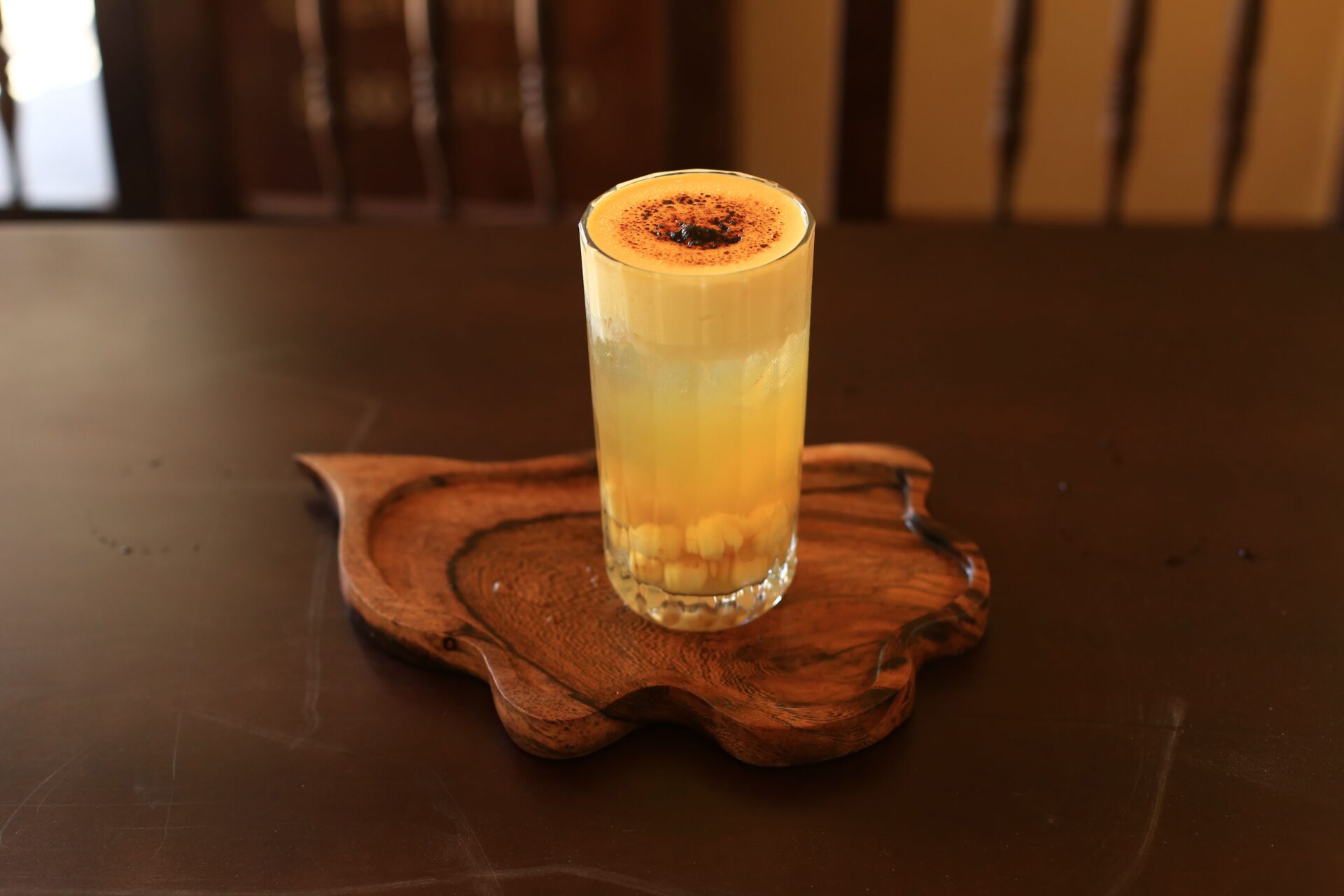
The specific Vietnamese coffee argument: Vietnam is the world’s second largest coffee producer (after Brazil) and one of the least internationally recognised as a quality origin — the Vietnamese Robusta (the cà phê robusta, the high-caffeine, lower-acidity bean grown in the Central Highlands around Buôn Ma Thuột) is the bean that most of the world’s instant coffee and espresso blends contain without the brand acknowledging it, and the Vietnamese Arabica (the Da Lat highland production, the bean that the specialty coffee market has only recently begun paying attention to) is the bean that the quality Vietnamese café serves in the phin (the metal drip filter that sits on the glass and drips the coffee over the condensed milk over 5-10 minutes). The guide to the specific coffees, the specific methods, and the specific cities where each is most specifically right.
Reading time: 7 minutes | Last updated: 2026
The Methods
Cà Phê Phin — The Filter Coffee
The phin (the Vietnamese metal drip filter — the small perforated chamber placed on the glass, the ground coffee tamped into the chamber, the hot water poured over and left to drip through the fine perforations over 5-10 minutes): the most common Vietnamese coffee preparation.
The cà phê sữa đá (the iced milk coffee — the phin drip into the glass containing the condensed milk at the bottom, the ice added after the drip completes): the most ubiquitous Vietnamese coffee drink, the preparation visible from every plastic stool café in Hanoi and Ho Chi Minh City.
The condensed milk: the Robusta’s bitterness is balanced by the sweetness of the condensed milk — the specific Vietnamese coffee pairing that the specialty coffee market initially dismissed and that the world subsequently adopted as a legitimate preparation. The condensed milk is not a shortcut for the fresh milk unavailable in the Vietnamese climate — it is the specific sweetener for the specific bean.
Cà Phê Trứng — The Egg Coffee
The egg coffee (cà phê trứng — the Hanoi invention): the egg yolk beaten with the sugar and the condensed milk until the mixture is thick and mousse-like, the strong black phin coffee poured into the glass and the egg cream floated on top.
The preparation (the specific Hanoi instruction): the egg cream is beaten by hand for 3-5 minutes using a whisk (or the electric beater that the Hanoi café now uses) until the mixture holds its shape — the specific Vietnamese meringue-adjacent preparation that no other coffee culture replicates.
The taste: the egg cream gives the coffee the specific richness of a dessert drink rather than the specific sharpness of the typical espresso — the bitterness of the Robusta below and the sweetness of the egg cream above, the balance the innovation that Nguyễn Văn Giang (the Sofitel Metropole bartender who invented the drink in 1946 when milk was scarce during the French war) gave Hanoi.
Where to drink the correct egg coffee:
The Giảng Café (39 Nguyễn Hữu Huân, Hoàn Kiếm, Hanoi — the café opened by the son of the inventor in 1960, the egg coffee prepared by the same family recipe, the small upstairs room above the street-level café, the egg coffee in the ceramic cup sitting in a bowl of hot water to maintain the temperature): VND 30,000-40,000 / £0.94-1.26.
Cà Phê Chồn — The Weasel Coffee
The cà phê chồn (the “weasel coffee” — the Vietnamese analogue of the Kopi Luwak of Indonesia, the coffee produced by the collection of the coffee cherries that have passed through the digestive system of the palm civet (Paradoxurus hermaphroditus)):
The specific Vietnamese context: the wild cà phê chồn (the civet’s selective consumption of the ripe cherries, the fermentation in the digestive system that breaks down the specific proteins giving the coffee its characteristic lower bitterness and the smooth body) is produced in limited quantities in the Central Highlands.
The welfare caveat: the majority of “weasel coffee” sold to tourists in Vietnam is produced by civets held in cages and force-fed coffee cherries — the specific welfare concern that the cage production creates. The authentic wild cà phê chồn (the rare, expensive version) is produced from the collected cherries of free wild civets. Distinguish by price (the authentic wild version costs USD 50-150 / £39.37-118.11 per 100g; the cage-produced version is sold at USD 5-15 / £3.94-11.81 for the same amount) and by the producer’s transparency about the sourcing.
The Cà Phê Muối — The Salt Coffee (Da Nang)
The cà phê muối (the salt coffee — the Da Nang innovation, a salted cream (the salt dissolved in the condensed milk cream, the cream salted before whipping) floated on the strong Robusta): the Vietnamese coffee’s most recent regional variation, the salt amplifying the Robusta’s sweetness and reducing the perceived bitterness in the same way that the culinary salt reduction works in pastry.
Available at the Mia Cà Phê (multiple Da Nang locations): VND 45,000-65,000 / £1.41-2.04.
The Regional Coffee Cultures
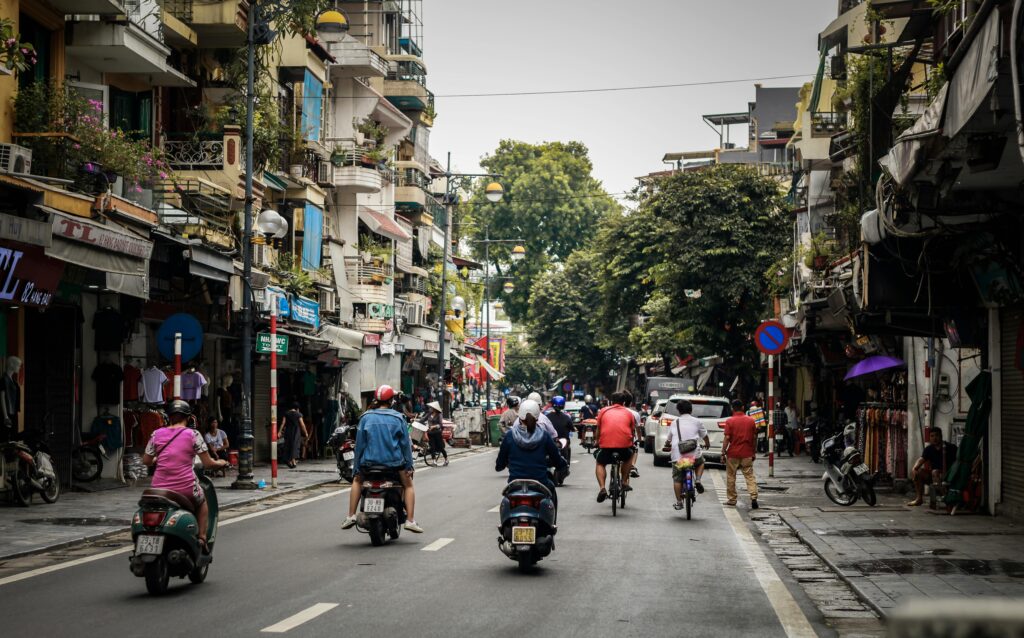
Hanoi: The cà phê trứng, the street-level café on the plastic stool, the Robusta phin served in the small glass, the coffee consumed slowly as the Hanoi street life passes.
Ho Chi Minh City: The cà phê sữa đá consumed rapidly (the HCMC pace), the cà phê bệt (the coffee drunk on the low stools in the park — the Tao Dan Park coffee culture, the coffee for the sitting and the watching rather than the Hanoi coffee for the extended sitting and the specific conversation), and the emerging specialty coffee scene (the Saigon Outcast, the The Workshop Coffee — the third-wave Vietnamese coffee cafés that give the single-origin Arabica in the pour-over).
The Mekong Delta: The bạc xỉu (the White Coffee of the South — the reverse ratio of the cà phê sữa đá, more condensed milk than coffee, the sweet preparation that the Vietnamese south prefers to the Hanoi bitterness).