




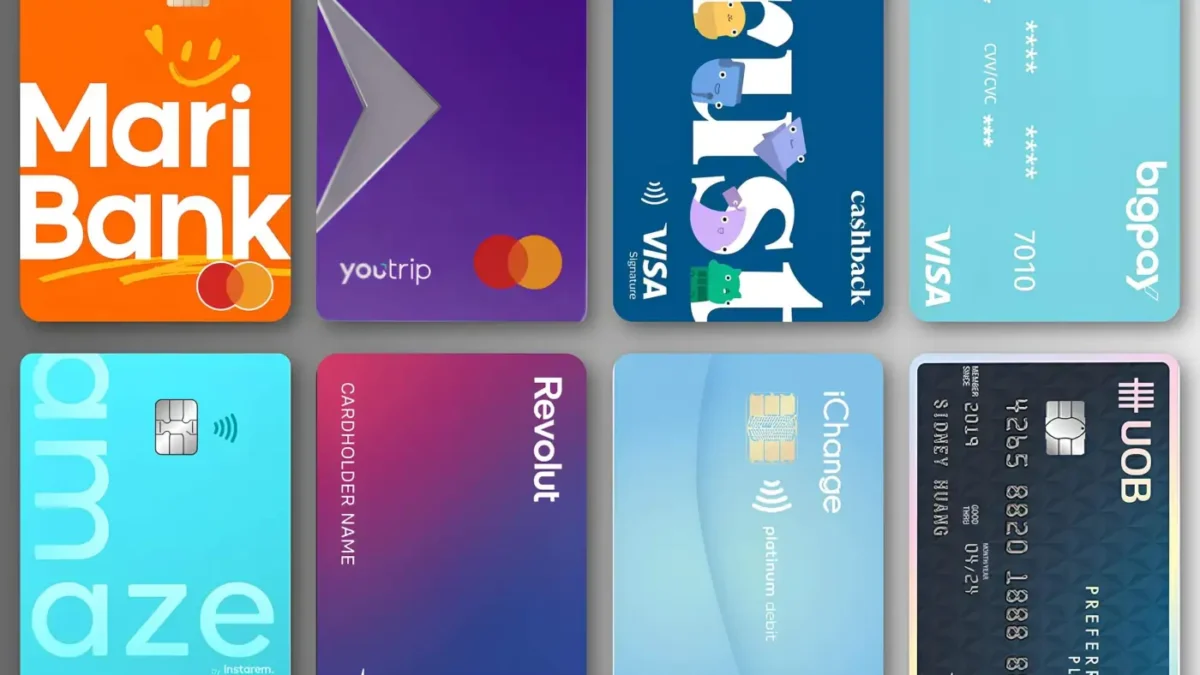
The UK travel money guide that gives the honest comparison the bank hopes you won’t read: the Barclays debit card used abroad at the standard exchange rate costs approximately 2.99% in foreign transaction fees plus a 2.5% non-sterling transaction fee on top of the mid-market rate markup that the bank applies before the percentage fees — the combined cost on a £2,000 holiday spend is approximately £110 in avoidable charges that the Wise or Starling card eliminates entirely. This guide gives the specific comparison of the four UK travel money tools that the experienced traveller uses, the specific scenarios where each is correct, and the specific combination that the BGGD team uses on every trip to avoid paying the bank’s unofficial travel tax.
Reading time: 7 minutes | Last updated: 2026
The Four Tools
1. Wise (formerly TransferWise)
What it is: The Wise multi-currency account and debit card — the card that converts at the mid-market rate (the rate you see on Google) with a small transparent conversion fee (typically 0.35-2.85% depending on the currency, shown before the transaction).
The specific advantage: The mid-market rate. The traditional bank applies the mid-market rate plus a markup plus the foreign transaction fee. The Wise card applies the mid-market rate plus the transparent Wise fee. On a €1,000 transaction: the Barclays card costs approximately £30-40 in fees; the Wise card costs approximately £3-5.
The specific limitation: Wise charges a fee after the first £200 of ATM withdrawal per month (1.75% above £200). For the traveller who needs significant cash, the Starling is better for ATM withdrawals.
Get it at: wise.com
2. Starling Bank
What it is: The Starling Bank current account (the UK current account, FSCS-protected up to £85,000, the full current account not a prepaid card) with the specific feature: zero foreign transaction fees and the mid-market exchange rate on all card payments.
The specific advantage: The ATM withdrawal. Starling charges zero on ATM withdrawals abroad (within the account’s monthly limits). The Wise card charges after £200/month; the Starling does not. For the traveller in a cash-heavy destination (Vietnam, Morocco, India), Starling is the correct primary card.
The secondary advantage: The full UK current account. The Starling is the traveller’s main bank account if they choose, not a separate product to manage.
Get it at: starlingbank.com (the account opens in 10 minutes on the phone app)
3. Chase UK
What it is: The Chase UK current account (JP Morgan’s UK retail banking product, launched 2021) — the 1% cashback on all purchases for the first 12 months (subsequently reduced — check the current cashback rate at chase.co.uk), zero foreign transaction fees, the mid-market rate.
The specific advantage: The cashback. At 1% cashback on the £2,000 holiday spend: £20 back. Combined with the zero foreign transaction fee (versus the bank’s 2.99% fee = £59.80 saving), the Chase UK card gives the traveller £79.80 better outcome than the standard bank card on a £2,000 trip.
The specific limitation: The Chase UK account is the secondary account, not the primary current account for most users. Manage it as the travel card alongside the main bank.
Get it at: chase.co.uk
4. Revolut
What it is: The Revolut multi-currency app and card — the competitor to Wise, the similar mid-market rate (with the specific caveat: the Revolut weekend markup, the 0.5-1% markup on the mid-market rate applied on weekends when the currency markets are closed).
The specific weekend caution: If you’re exchanging a significant amount on a Saturday or Sunday, the Revolut weekend markup applies. For the Friday-to-Sunday trip (the long weekend, the most common UK short break), exchange the currency on the Thursday evening before departure on Revolut, or use the Wise/Starling instead.
The BGGD Travel Money Stack
The combination that the BGGD team uses:
Primary card (card payments): Starling or Wise — the mid-market rate, zero fees, the contactless payment that works.
ATM withdrawals: Starling — the zero ATM fee, the correct card for the cash-heavy destination.
Backup card (kept separately from the primary, in the money belt): Chase UK — if the primary is lost or stolen, the backup gives the immediate access to funds.
The emergency cash rule: £100-200 in the destination currency in the money belt, separate from the cards. The card that stops working at the Thai rural market at 8pm is the specific failure mode that the cash covers.
The Airport Exchange Desk — Never
The airport currency exchange desk (the Travelex at Heathrow, the bureau at the departure gate) gives the worst exchange rate in the UK financial system. The margin on the airport rate versus the mid-market rate is typically 10-15%. On £500 of cash: £50-75 in lost value at the airport desk versus the Starling ATM withdrawal at the destination.
The specific instruction: do not exchange currency at the UK airport. Withdraw from the ATM at the destination airport (the ATM inside the arrivals hall, before leaving the secure zone, gives the local bank’s rate which is better than the exchange desk’s rate). Or use the Starling card for the taxi to the hotel and withdraw cash the next morning.