
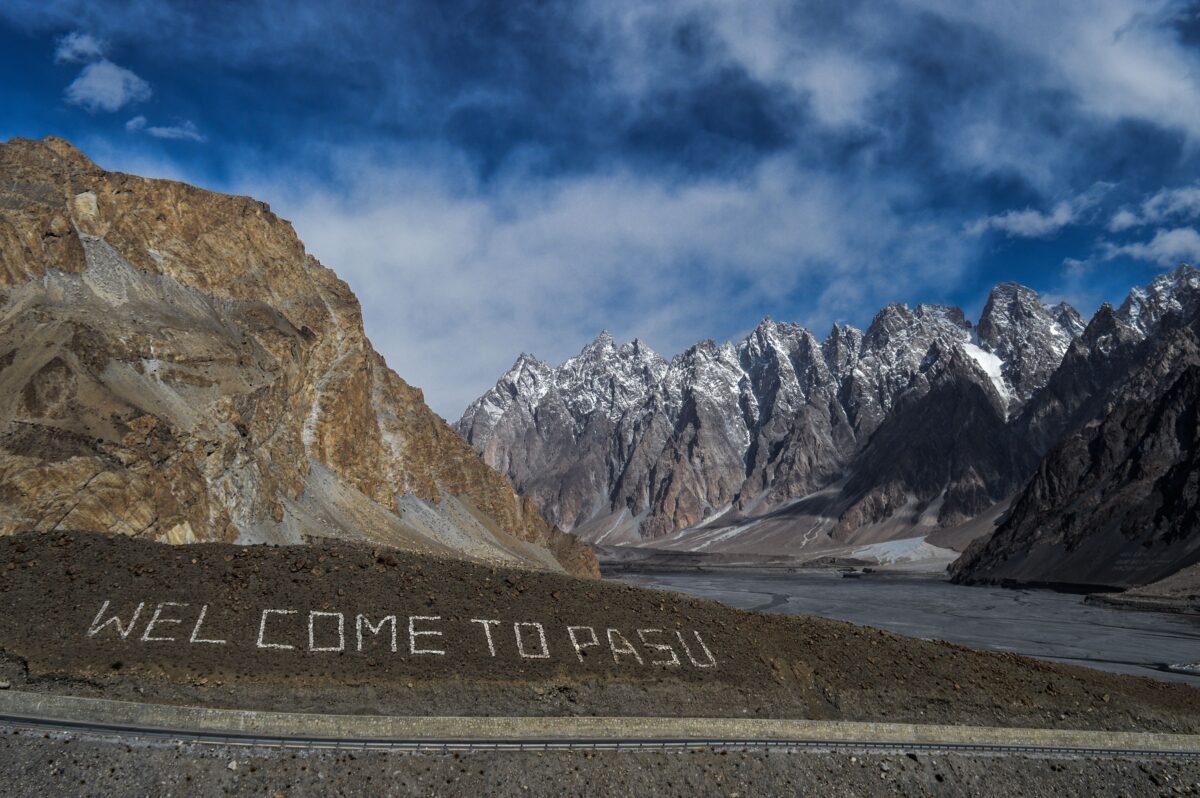
The route that gives Pakistan the treatment the country’s extraordinary geography and historical depth have always deserved and that the travel market has withheld because the FCDO advisory has been consistently discouraging of non-essential travel to large parts of Pakistan: two days in Lahore for the Badshahi Mosque (the 1671 Mughal mosque, the largest mosque in the world when built, the sandstone and white marble visible at the scale that the Aurangzeb ambition required — 100,000 worshippers in the courtyard), the Lahore Fort (the UNESCO Mughal citadel, the Sheesh Mahal (the Mirror Palace) with the mirrored tile interior visible at the specific Mughal luxury scale), and the Walled City food trail (the gola ganda (the shaved ice), the halwa puri (the fried bread with the semolina sweet and the chickpea), and the paye (the slow-cooked trotters, the Lahori breakfast at 7am)), and five days on the Karakoram Highway from Islamabad to the Hunza Valley (the highway built by Pakistan and China between 1959 and 1979 across 800km of the Karakoram mountain terrain, the road that crosses the Khunjerab Pass (4,693m) at the China border and that gives the specific mountain landscape accessible by ordinary vehicle at a density that the Himalayas generally require trekking to access).
IMPORTANT: Check the FCDO travel advisory for Pakistan at gov.uk before planning. The FCDO advises against all travel to Balochistan, FATA, and certain tribal areas, and against all but essential travel to parts of Khyber Pakhtunkhwa. The Lahore and Islamabad tourist circuit and the Karakoram Highway to Hunza are rated differently — check the current status as the advisory is updated regularly.
Reading time: 10 minutes | Last updated: 2026
Before You Leave
Getting there: Fly London-Lahore (Pakistan International Airlines, Turkish Airlines via Istanbul, Emirates via Dubai — 8-12 hours total). UK citizens: Pakistan e-Visa at visa.nadra.gov.pk (USD 75-100 / £59-79).
Currency: Pakistani Rupee (PKR). 1 GBP ≈ 355 PKR (2025). Pakistan is excellent value — mid-range daily budget: PKR 10,000-18,000 / £28-51.
The Route
Lahore (2 nights) → fly or bus to Islamabad → Karakoram Highway: Besham-Gilgit-Hunza (5 nights, driving the KKH in stages)
DAYS 1-2 — Lahore
Day 1: The Badshahi Mosque and the Lahore Fort
The Badshahi Mosque:
The Badshahi Mosque (the 1671 Aurangzeb mosque — the courtyard visible at 95,000 capacity, the four minarets at 54m each, the specific Mughal architectural scale at the endpoint of the Mughal tradition (Aurangzeb was the last of the great Mughal emperors)):
At 5:30am (the Fajr prayer): the mosque at the dawn call to prayer, the minaret call visible as the specific Lahore dawn audio-visual event.
Free entry outside prayer times.
The Lahore Fort:
The Lahore Fort (Shahi Qila — the Mughal citadel reconstructed by Akbar (1556-1605) and expanded through the Mughal period):
The Sheesh Mahal (the Mirror Palace — the 1631 Shah Jahan mirrored tile interior, the 14th-century Murano glass tiles imported from Venice at the Mughal trade route price):
Entry: PKR 500 / £1.41.
Day 2: The Walled City Food Trail
The Walled City at 7am:
The Delhi Gate (the Walled City entrance) at 7am — the halwa puri at the Food Street (the fried bread with the semolina halwa and the spiced chickpea channay — the specific Lahori breakfast that the halwa puri family has been making on the same street for 40 years): PKR 150-300 / £0.42-0.85.
The Nairon Gate paye (the slow-cooked goat trotters, the Lahori dawn dish that the paye restaurants open for at 5am): PKR 200-400 / £0.56-1.13.
DAYS 3-7 — The Karakoram Highway
The KKH:
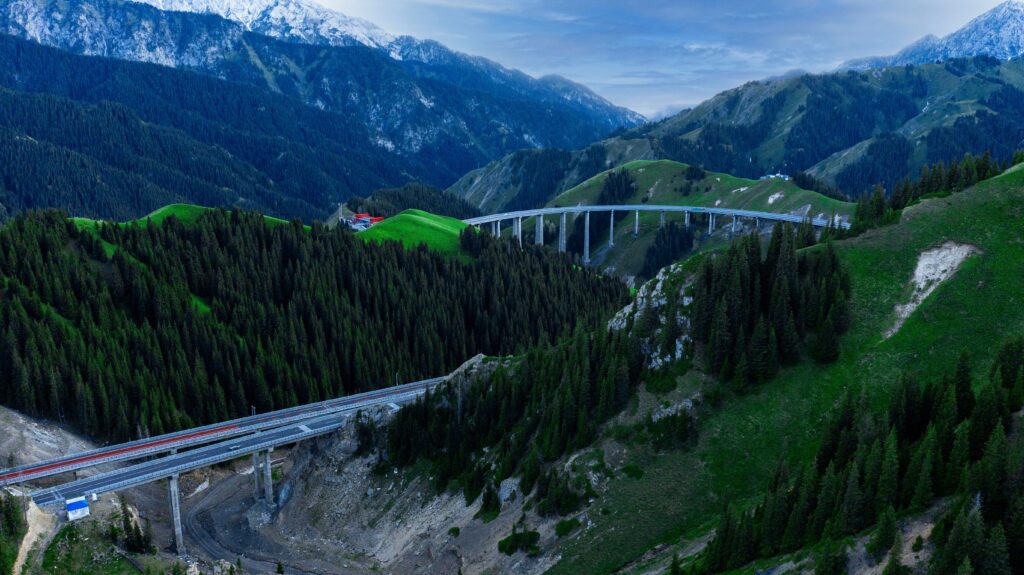
The Karakoram Highway (the 1,300km road from Islamabad to the Khunjerab Pass at the China border — the world’s highest paved international road, built by Pakistan and China between 1959 and 1979 at the cost of 810 Pakistani and 82 Chinese lives):
Gilgit:
The Gilgit (the mountain city at 1,500m — the junction of the Karakoram, the Hindu Kush, and the Himalaya mountain ranges visible from the Gilgit viewpoint, the specific Pakistan mountain geography at the single most concentrated point):
The Hunza Valley:
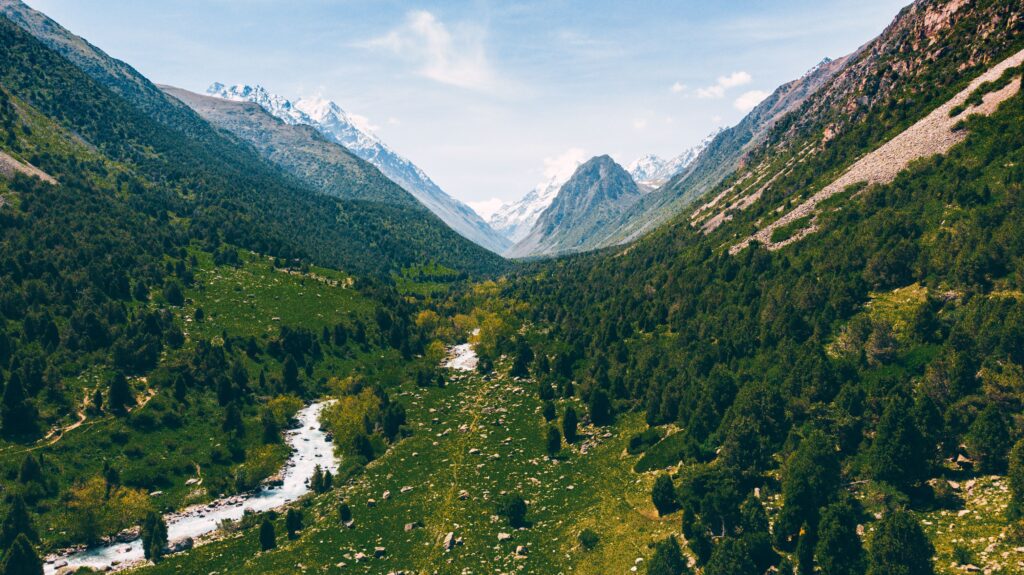
The Hunza Valley (the valley at 2,438m in the Gilgit-Baltistan region — the Rakaposhi (7,788m) visible from the Karimabad village, the Ultar Sar (7,388m) visible directly above the Baltit Fort, the specific Hunza landscape that the historical isolation maintained until the KKH opened it):
The Baltit Fort (the 700-year-old Hunza kingdom fort on the cliff above Karimabad — the specific Hunza architectural style (the Tibetan-influenced timber and stone, the watchtower):
Entry: PKR 500 / £1.41.
The Attabad Lake:
The Attabad Lake (the lake created by the 2010 Attabad landslide that blocked the KKH for 5 years — the turquoise lake visible at the road level, the boats ferrying vehicles across the section the landslide blocked before the new tunnels opened):
The boat crossing (now redundant since the tunnels but still operated for the tourist): PKR 500 / £1.41.
The Khunjerab Pass:
The Khunjerab Pass (4,693m — the China-Pakistan border crossing, the highest paved international border in the world, the Marco Polo sheep (Ovis ammon polii) visible on the plateau (the sheep with the longest horns of any sheep species, the Pamir-Karakoram endemic)):
Accessible by the shared jeep from Sost: PKR 2,000-3,000 / £5.63-8.45 return.
What It Costs
| Category | Budget | Mid-Range |
|---|---|---|
| Return flights (UK-Lahore) | £350-650 | £550-950 |
| e-Visa | £59-79 | £59-79 |
| 7 nights accommodation | £50-140 | £140-420 |
| Food (7 days) | £20-55 | £55-140 |
| Domestic flight (Lahore-Islamabad) + bus KKH | £30-60 | £30-60 |
| Jeep hire (KKH sections) | £40-80 | £60-120 |
| Fort entries | £3-6 | £3-6 |
| Total | £552-1,070 | £897-1,775 |