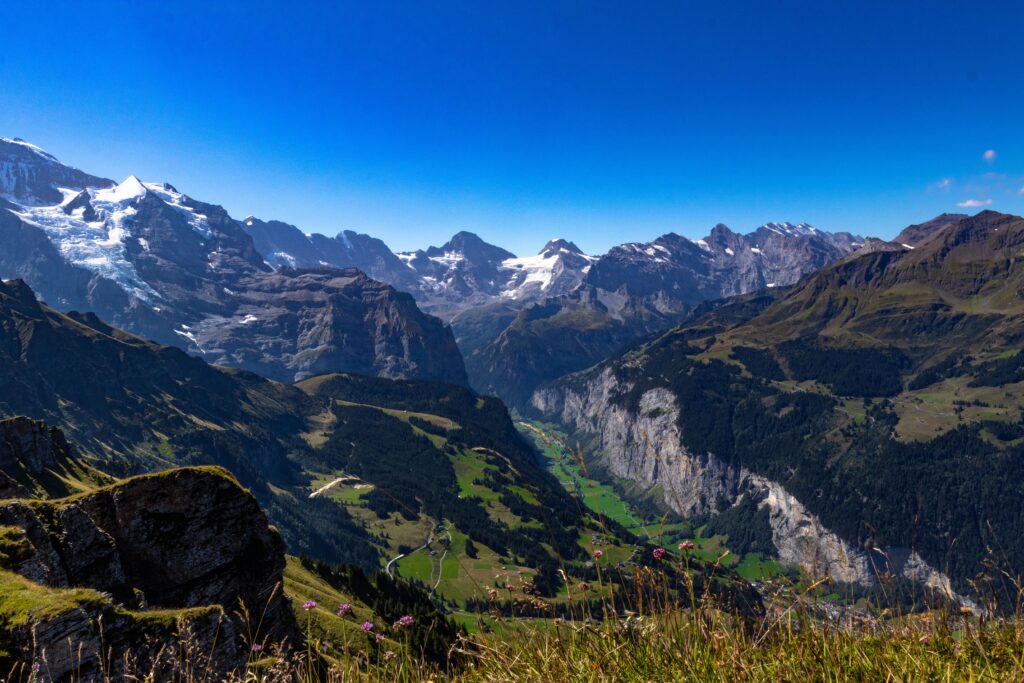

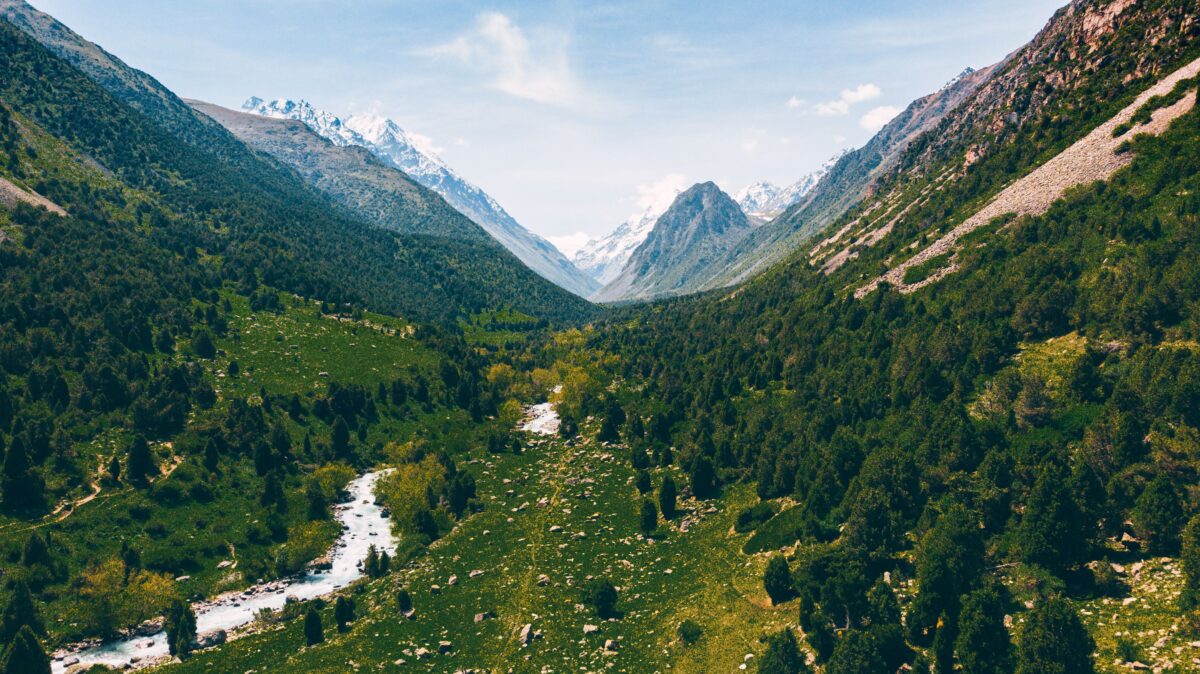
The route that gives Kyrgyzstan the specific outdoor argument: one day in Bishkek for the Osh Bazaar and the National History Museum (the felt collection — the Kyrgyz shyrdak (the appliqué felt carpet), the tush kiiz (the embroidered wall hanging), and the specific nomadic material culture that the museum gives as the specific Kyrgyz art form), two days at the Ala-Archa National Park for the Tian Shan trekking (the granite peaks visible within 45 minutes of Bishkek, the Ak-Sai glacier at the valley head, and the specific Central Asian mountain landscape that the Kyrgyz call the “Switzerland of Central Asia” with the specific accuracy that the comparison both undersells and oversells), one day at the Burana Tower (the 11th-century Karakhanid minaret, the only surviving element of the medieval city of Balasagun — the tower and the stone warrior figures visible at the site as the specific Silk Road archaeological evidence 80km from Bishkek), and three days at the Song-Köl Lake (the high-altitude lake at 3,016m — the summer jailoos (the nomadic summer pasture), the yurt camp at the lake shore, the horseback riding across the surrounding plateau, and the specific Kyrgyzstan that exists without the tourist infrastructure because the nomadic family has moved to the lake for the summer with the livestock and is not there for the tourist).
Reading time: 9 minutes | Last updated: 2026
Before You Leave
Getting there: Fly London-Bishkek (via Istanbul (Turkish Airlines, 6 hours + 3 hours), Moscow (unavailable for most UK travellers in 2025), or Almaty (Air Astana with connection)). UK citizens: Kyrgyzstan e-Visa at evisa.e-gov.kg (USD 20-70 / £15.75-55.12 depending on the processing speed).
Currency: Kyrgyzstani Som (KGS). 1 GBP ≈ 114 KGS (2025). Kyrgyzstan is excellent value — mid-range daily budget: KGS 3,000-6,000 / £26-53.
The Route
Bishkek (1 night) → Ala-Archa National Park (2 nights) → Burana Tower day trip → Kochkor (1 night, 3 hours) → Song-Köl Lake (3 nights, 2 hours by 4WD from Kochkor)
DAY 1 — Bishkek
The Osh Bazaar:
The Osh Bazaar (the main Bishkek market — the kumiss (the fermented mare’s milk — the Kyrgyz national drink, served from the large clay pot, the slightly alcoholic and specifically acquired taste that the Bishkek market gives at KGS 30-50 / £0.26-0.44 per cup), the samsa (the baked pastry with the meat and the onion, the street lunch at KGS 80-120 / £0.70-1.05 each), and the kurut (the dried yoghurt ball — the nomadic preserved dairy, the shelf-stable protein of the Silk Road):
The National History Museum:
The National History Museum (the former Lenin Museum on Ala-Too Square — the Kyrgyz history from the Bronze Age through the Khanate period through the Soviet period to the independence):
The Manas epic (the 500,000-line oral epic of the hero Manas — the longest oral epic in the world (compared: the Iliad is 15,700 lines), still recited by the manaschi (the epic reciters) in the Kyrgyz villages and cities):
Entry: KGS 200 / £1.75.
DAYS 2-3 — Ala-Archa National Park
The Ala-Archa:
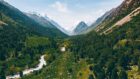
The Ala-Archa National Park (the gorge and the mountains 45 minutes south of Bishkek — the Tian Shan granite peaks visible from the gorge entrance, the Ak-Sai glacier at the 3,900m valley head (4-5 hour round trip hike from the car park), and the specific Central Asian mountain environment at the Bishkek day trip distance):
Park entry: KGS 300 / £2.63. The alpinist camp (the Ala-Archa mountaineering base — the stone huts, the guesthouse accommodation for the trekker who extends to 2 nights): KGS 800-1,500 / £7.02-13.16/night.
The trekking:
The Uchitel Pass trek (the 3,400m pass between the Ak-Sai and the Adygene valleys — the full-day trek from the camp, the Tian Shan visible in the specific Central Asian mountain scale that the Kyrgyz landscape gives):
No guide required on the main trails. The guide (KGS 2,000-3,000 / £17.54-26.32/day) is recommended for the off-trail routes and the glacier approach.
DAY 4 — Burana Tower
The Burana:
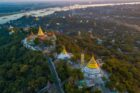
The Burana Tower (the 11th-century Karakhanid minaret at Balasagun — the 24m surviving fragment of the original 40m minaret, the archaeological site of the medieval Silk Road city):
The balbal (the stone warrior figures — the 8th-10th century Turkic stone figures of the warriors, 80+ visible at the site, the nomadic memorial practice at the pre-Islamic Central Asian scale):
Entry: KGS 200 / £1.75.
DAYS 5-7 — Song-Köl Lake
The Song-Köl:
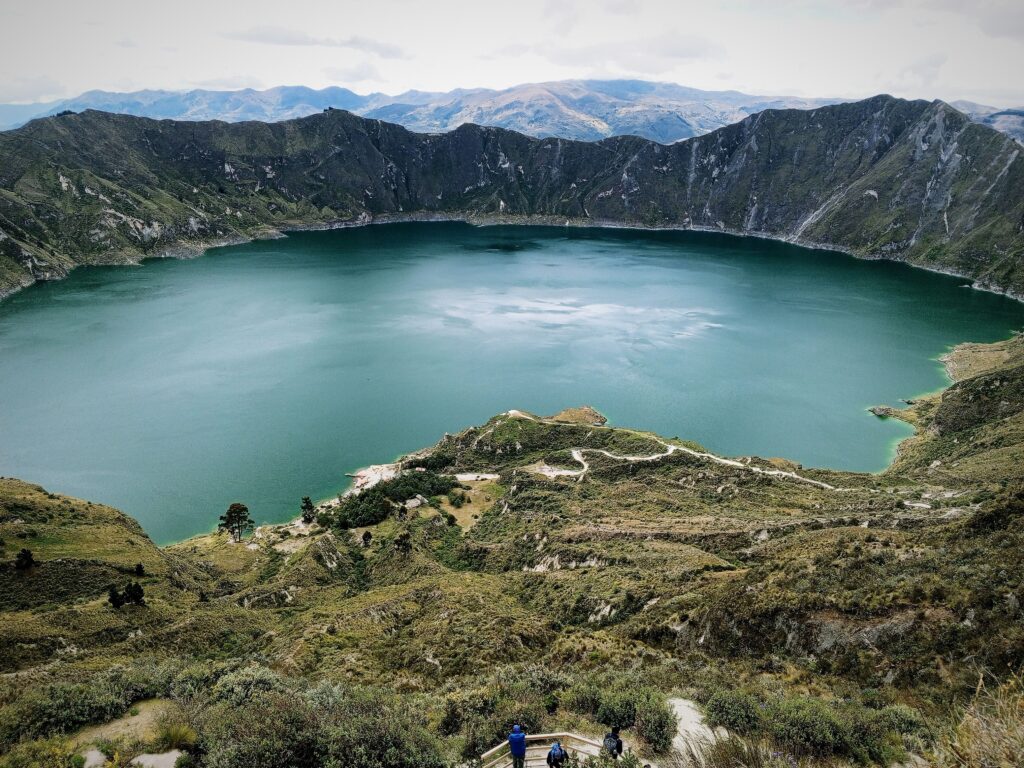
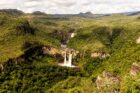
The Song-Köl Lake (the alpine lake at 3,016m altitude — the lake accessible from the Kochkor by the 4WD in summer (June-September), the track impassable in winter and in the spring snowmelt):
The jailoos:
The jailoos (the summer nomadic pasture — the Kyrgyz families who move to the Song-Köl in June with the livestock (the sheep, the horse, the yak) and who return to the lowland villages in September, the yurt camp at the lake shore the specific Kyrgyz nomadic seasonal cycle made visible):
The yurt stay:
The overnight in the nomadic family yurt (the specific Song-Köl experience — the dinner (beshbarmak — the horse meat and the noodles, the specific Kyrgyz ceremonial dish, the name meaning “five fingers” (the dish eaten by hand)), the kumiss after dinner, the sunrise over the lake at 6am visible from the yurt doorway):
KGS 1,500-2,500 / £13.16-21.93/night all-inclusive (yurt, dinner, breakfast, horse).
The horseback riding:
The Song-Köl plateau horse ride (the Kyrgyz horse — the small, tough Kyrgyz Jeenez breed, the plateau visible at the riding pace across the high-altitude grassland, the specific Kyrgyzstan that the walking tourist and the driving tourist both miss):
Included in the yurt camp accommodation or KGS 500-800 / £4.39-7.02/hour separately.
What It Costs
| Category | Budget | Mid-Range |
|---|---|---|
| Return flights (UK-Bishkek) | £400-750 | £600-1,000 |
| e-Visa | £16-55 | £16-55 |
| 7 nights accommodation | £42-120 | £120-350 |
| Song-Köl yurt camp (3 nights, all-inclusive) | £39-66 | £66-132 |
| 4WD hire Kochkor-Song-Köl | £50-90 | £70-130 |
| Food (Bishkek: 4 days) | £15-40 | £40-100 |
| Total | £562-1,121 | £912-1,767 |