

The guide to experiencing Diwali — the Hindu, Sikh, and Jain festival of lights, one of the most significant and visually spectacular festivals in the world, celebrated across India and the diaspora. This guide covers where to experience Diwali, what it involves, and — crucially — how to experience it respectfully as the visitor rather than the intruder.
Reading time: 8 minutes | Last updated: 2026
What is Diwali
Diwali (Deepavali — “row of lights”) is the festival of lights, celebrated over five days, symbolising the victory of light over darkness, good over evil, knowledge over ignorance. The specific significance — the major festival for the Hindus (the celebration varying by region — the return of Rama, the worship of Lakshmi, the specific regional narratives), and celebrated also by the Sikhs (the Bandi Chhor Divas) and the Jains.
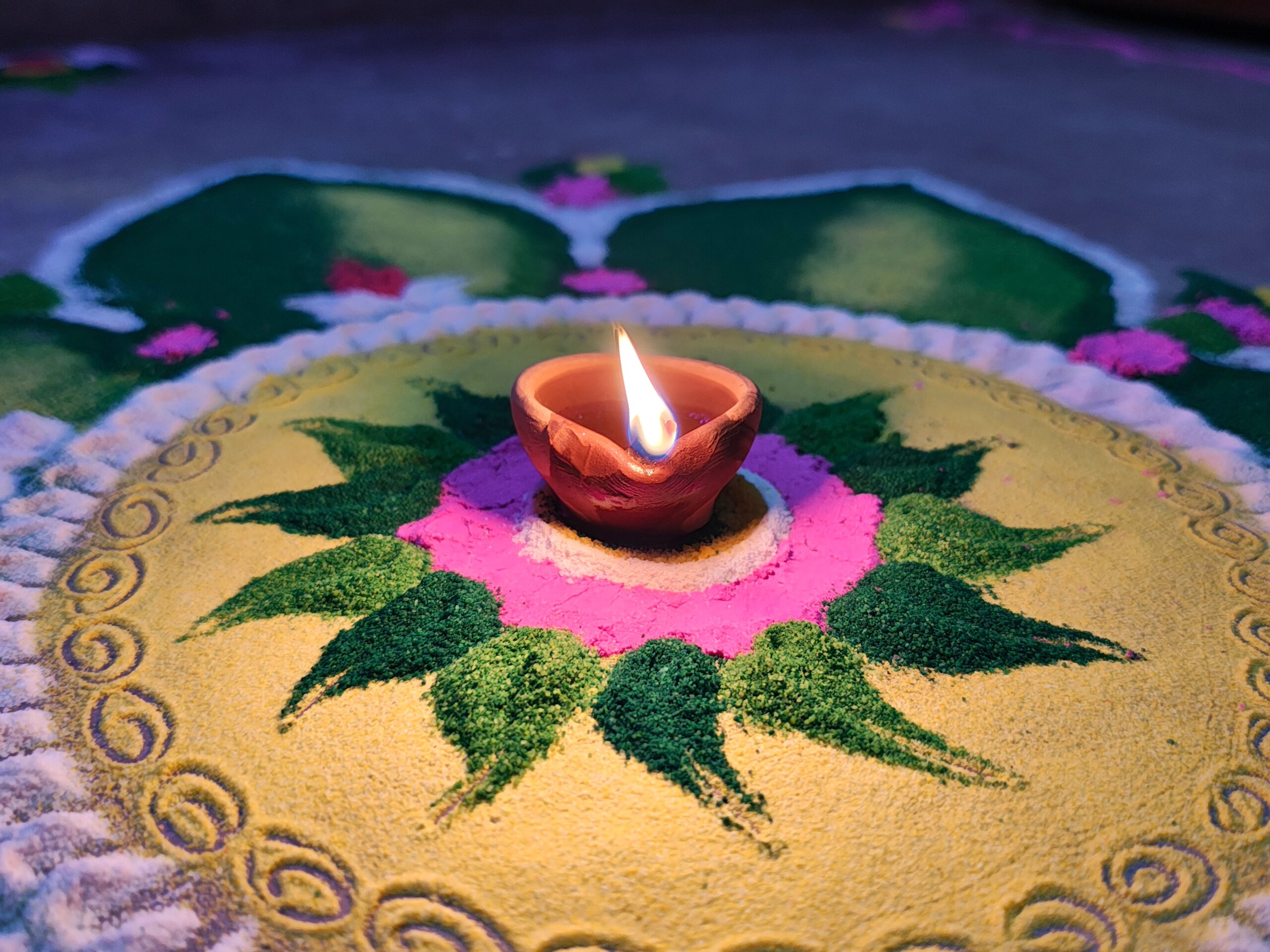
The specific timing — Diwali falls on the darkest night of the Hindu lunar month of Kartik (October or November, the date varying yearly by the lunar calendar). The specific visual — the diyas (the oil lamps), the rangoli (the coloured floor patterns), the fireworks, the lights, the specific illumination of the darkest night.
Where to Experience It
Varanasi: The specific Diwali destination — the holy city on the Ganges, the Dev Deepawali (the “Diwali of the Gods,” celebrated 15 days after Diwali) when the ghats are lit with the hundreds of thousands of diyas, the specific spectacle of the illuminated ghats reflected in the Ganges. The specific most atmospheric Diwali experience.
Jaipur: The specific Diwali destination — the “Pink City” that illuminates spectacularly for Diwali (the markets, the buildings, the specific Jaipur Diwali lighting), the specific competition among the markets for the best illumination.
Amritsar: The specific Diwali/Bandi Chhor Divas destination — the Golden Temple illuminated, the specific Sikh celebration, the fireworks over the Golden Temple, the specific spectacle.
Delhi and the cities: The specific urban Diwali — the markets, the lights, the fireworks, the specific city-wide celebration.
The diaspora: The specific accessible Diwali — the Diwali celebrations in the UK (the Leicester Diwali, one of the largest outside India), the specific diaspora celebrations for the traveller who can’t reach India.
What It Involves
The lights. The diyas (the oil lamps lit throughout the homes and streets), the electric lights, the specific illumination.
The rangoli. The coloured patterns (the rice, the coloured powder, the flower petals) created on the floors and thresholds, the specific decorative art.
The fireworks. The specific Diwali fireworks (the significant part of the celebration, though the specific environmental and the air-quality concerns have led to some restrictions in the cities).
The worship. The Lakshmi Puja (the worship of the goddess of prosperity), the specific religious observance.
The food and the family. The sweets (the mithai), the family gatherings, the gifts, the specific social and familial celebration.
How to Experience It Respectfully
Diwali is a religious festival, not a spectacle for the tourist. The specific respect — the awareness that Diwali is the significant religious and family festival, not the tourist event. The visitor experiences it as the respectful guest, not the entitled spectator.
The religious sites. The specific respect — the appropriate behaviour at the temples and the religious sites (the dress, the removal of the shoes, the respect for the worship, the photography only where permitted). The specific religious observance respected.
The invitation. The specific respect — the Diwali is often the family celebration; the visitor invited into the family celebration (by the guesthouse host, the local friend) experiences the specific privilege, treated with the respect and the reciprocity the hospitality deserves.
The photography. The specific respect — the photography of the people (the permission, the respect), the specific awareness of the intrusion, the not-treating-the-worshippers-as-the-photo-subjects.
The air quality note. The specific practical note — the Diwali fireworks produce the significant air pollution (the specific severe air quality in the cities like Delhi around Diwali), the specific consideration for the traveller with the respiratory sensitivity.