


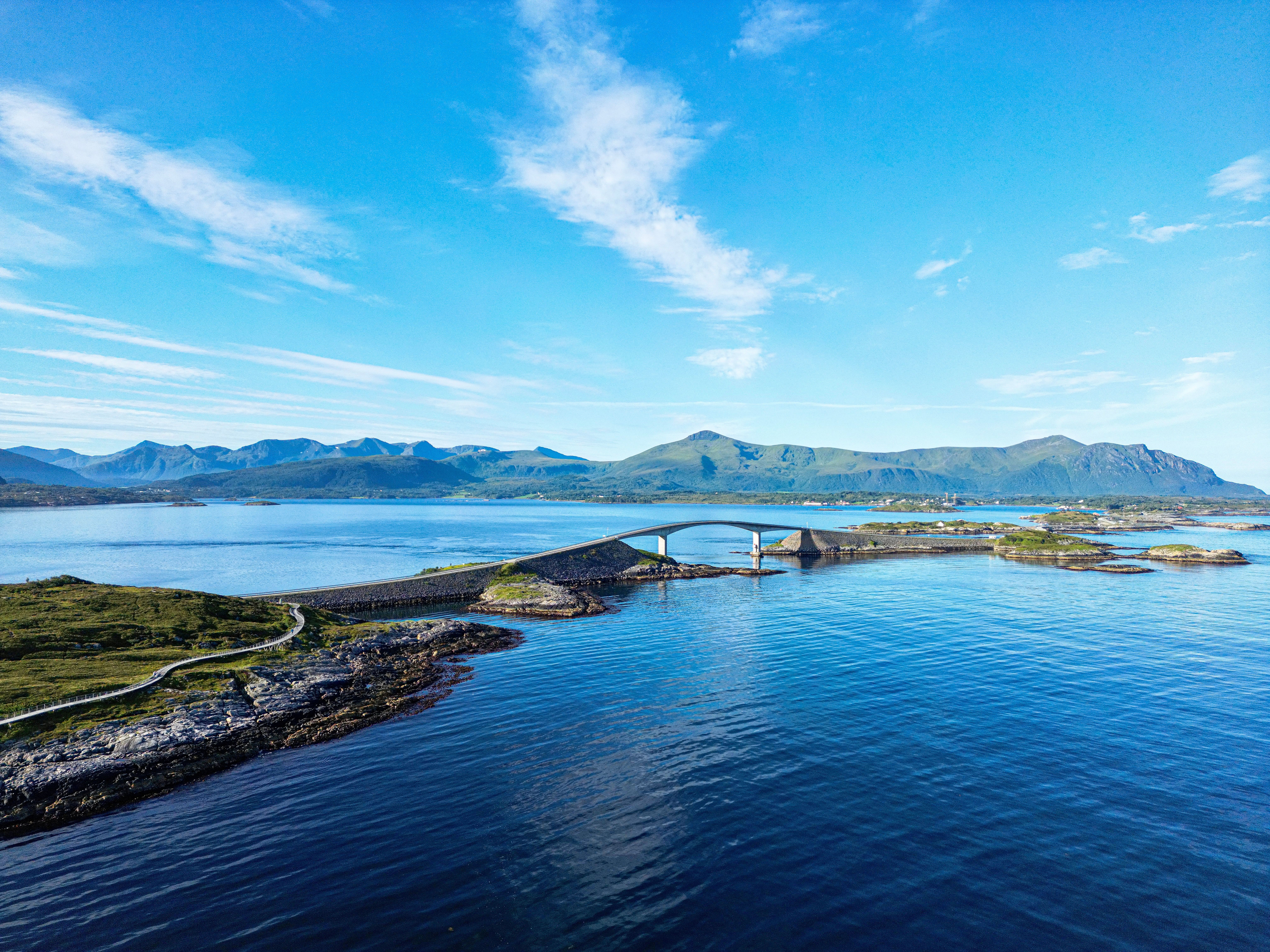
As Mediterranean summers push further past 40°C with increasing regularity, Norway’s fjord region has become a genuine alternative for UK travellers seeking a summer holiday that doesn’t involve hiding indoors during the hottest hours. This is the full 7-day route through Bergen and the Sognefjord region.
Quick answer: 7 days covering Bergen and the Sognefjord region costs roughly £680-£850 per person excluding flights, based on mid-range hotel and cabin stays, three meals a day, and fjord cruise or ferry transport. Summer temperatures in this region typically range 15-22°C, a genuine relief from Southern Europe’s increasingly extreme heat.
The 7-Day Route at a Glance
| Days | Location | Highlight | Accommodation Cost |
|---|---|---|---|
| 1-2 | Bergen | Bryggen wharf, Fløibanen funicular | £110-£180/night |
| 3-4 | Flåm & the Flåm Railway | Scenic mountain railway, fjord cruise | £90-£150/night |
| 5-6 | Sognefjord region (Balestrand/Aurland) | Fjord kayaking, glacier viewpoints | £95-£160/night |
| 7 | Bergen | Return and buffer day | £110-£180/night |
Norway’s rail and ferry network, combined with the famous “Norway in a Nutshell” self-guided route, makes this entire itinerary achievable without a rental car, unusual for a fjord-focused trip.
Day-by-Day Breakdown
Days 1-2: Bergen
Bergen, Norway’s gateway to the fjords, offers genuinely strong sightseeing in its own right before the fjord-focused legs of the trip begin.
- Bryggen wharf: free to walk, a UNESCO World Heritage site of colourful wooden Hanseatic-era buildings lining the harbour
- Fløibanen funicular: NOK 180 (£13.20) return, climbing to Mount Fløyen for panoramic views over the city and surrounding fjords
- Bergen Fish Market: free to browse, with prepared seafood available for a genuinely good, if not cheap, lunch option
- Dinner: a full meal at a harbourside restaurant runs NOK 350-500 (£25.70-£36.70) per person, reflecting Norway’s generally high dining costs
The 6am principle applies at Bryggen and the funicular. Both fill with cruise ship day-trippers from mid-morning during peak summer, and an early visit delivers genuinely quieter photos of the wharf’s colourful facades.
Days 3-4: Flåm & the Flåm Railway
The train from Bergen to Myrdal (roughly 4.5 hours) connects to the Flåm Railway, one of the steepest standard-gauge railways in the world, descending through dramatic mountain scenery to the fjord-side village of Flåm.
- Flåm Railway (Myrdal to Flåm): NOK 590 (£43.30) one-way, widely considered one of the most scenic train journeys in the world, covering a 20km descent with numerous waterfalls visible from the train
- Nærøyfjord cruise: NOK 700-900 (£51.40-£66) for a fjord cruise through this UNESCO-listed narrow fjord, one of Norway’s most dramatic and photogenic waterways
- Dinner: a full meal in Flåm village runs NOK 300-450 (£22-£33) per person
- Accommodation: hotels or cabins in Flåm from £90-£150/night
Days 5-6: Sognefjord Region (Balestrand or Aurland)
A short ferry connects Flåm to Balestrand or Aurland, both offering strong bases for exploring Norway’s longest and deepest fjord.
- Fjord kayaking: NOK 600-900 (£44-£66) for a half-day guided tour, genuinely one of the best ways to experience the fjord’s scale from water level
- Glacier viewpoint hikes: several accessible trails offer views toward the Jostedalsbreen glacier, Europe’s largest, with hike lengths and difficulty varying by specific trailhead chosen
- Dinner: a full meal at a local guesthouse or restaurant runs NOK 280-420 (£20.55-£30.85) per person
- Accommodation: guesthouses in Balestrand or Aurland from £95-£160/night
The honest verdict on cost: Norway is genuinely expensive, and this trip won’t rival a Mediterranean beach holiday for daily spend. The trade-off is temperatures 15-20°C cooler than a Southern European summer, along with scenery that has no real Mediterranean equivalent.
Why Sognefjord Specifically, Rather Than Geirangerfjord
Geirangerfjord carries stronger international name recognition, but Sognefjord’s greater length and the direct rail-to-fjord connection via the Flåm Railway make it the more practical choice for a rail-and-ferry-only itinerary. Geirangerfjord, while equally dramatic, typically requires more complex bus connections or a rental car to reach comfortably, making Sognefjord the better fit for travellers specifically avoiding the cost and logistics of driving.
Day 7: Return to Bergen
A final ferry and train connection back to Bergen, with a buffer built in for any weather-related delays affecting the fjord cruise or hiking legs earlier in the week.
What £680-£850 Actually Covers
| Category | Total for 7 Days (GBP, per person) |
|---|---|
| Accommodation (6 nights, split two ways) | £300-£480 |
| Food (three meals daily) | £180-£260 |
| Rail and fjord cruise/ferry transport | £120-£170 |
| Activities/entry fees | £60-£100 |
| Total | £660-£1,010 |
Step-by-Step: Booking This Route
- Book the Flåm Railway and Nærøyfjord cruise well in advance during peak summer, since both are genuinely popular and capacity-limited on the busiest July-August dates.
- Consider the official “Norway in a Nutshell” package, which bundles train, ferry, and bus connections for this exact route at a modest saving over booking each leg separately.
- Pack layers regardless of season, since fjord weather shifts quickly and even summer days can turn noticeably cooler with cloud cover or rain.
- Self-cater at least some meals via Norwegian supermarkets (Rema 1000, Kiwi) to meaningfully offset the country’s high restaurant dining costs.
- Check ferry and rail schedules for shoulder season specifically, since frequency reduces outside the core June-August period.
Frequently Asked Questions
Do UK citizens need a visa for Norway?
No, though Norway isn’t an EU member, it is part of the Schengen Area (via the EEA agreement), allowing UK passport holders to visit visa-free for stays up to 90 days within any 180-day period.
How much cooler is fjord Norway compared to Southern Europe in summer?
Typically 15-20°C cooler, with fjord Norway’s summer daytime temperatures generally ranging 15-22°C compared to Southern Europe’s increasingly common 38-42°C heatwave conditions.
Is this route achievable without a rental car?
Yes, genuinely well-suited to rail and ferry travel, with the “Norway in a Nutshell” route specifically designed around public transport connections rather than requiring independent driving.
What is the best time of year for this coolcation route?
June-August offers the most reliable weather and full transport frequency, though this is also peak season for both pricing and demand; late May or early September offer a reasonable trade-off between conditions and slightly lower costs.
Is it possible to see the Northern Lights on this route?
Not during the summer coolcation months covered here, since the midnight sun effectively rules out any darkness needed for aurora viewing between roughly May and late July at this latitude. A genuinely separate winter trip would be needed for Northern Lights viewing specifically.
The Bottom Line
Fjord Norway delivers a genuine escape from Southern Europe’s intensifying summer heat, trading Mediterranean beach heat for dramatic fjord scenery and temperatures a full 15-20°C cooler. The honest trade-off is cost, Norway remains genuinely expensive throughout, but for travellers specifically seeking relief from extreme heat, this route offers something no Southern European alternative can match.