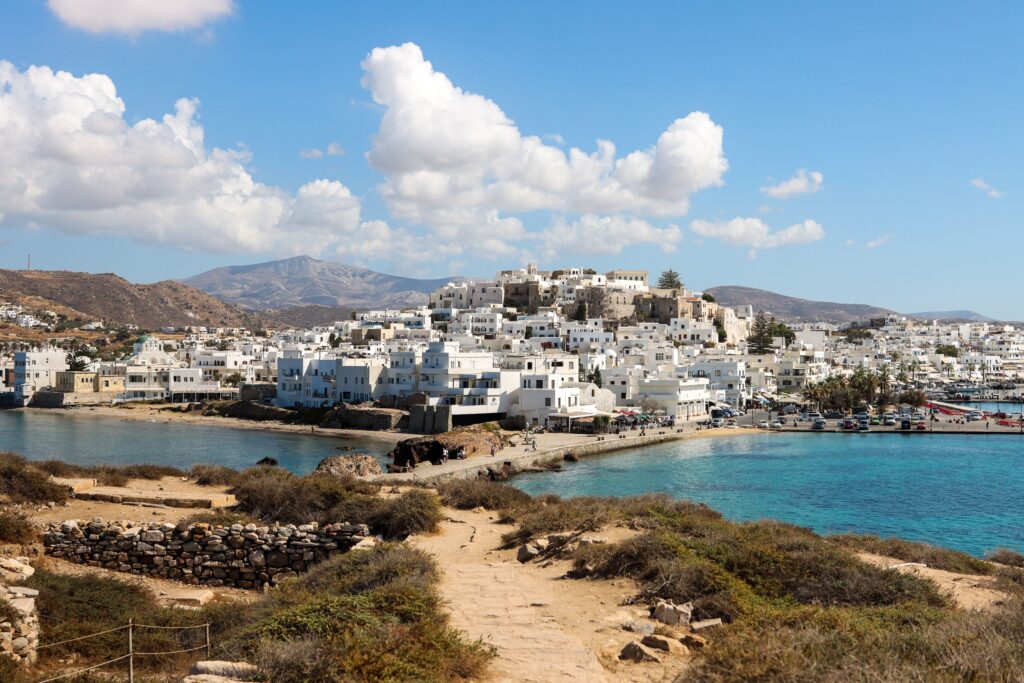

Mallorca’s south and east coasts have absorbed decades of package holiday development, while Menorca, a short ferry or flight away, has deliberately capped its growth through UNESCO Biosphere Reserve status, preserving a genuinely quieter version of what Mallorca’s coastline once offered.
Quick answer: swap Palma de Mallorca for Menorca if the priority is quieter beaches, genuine coastal hiking, and lower accommodation costs. Keep Mallorca on the list if the specific nightlife density of areas like Magaluf or Palma’s own city buzz is the point of the trip, since Menorca’s entire character is built around restraint rather than intensity.
Mallorca vs Menorca: Head-to-Head
| Factor | Mallorca (South/East Coast) | Menorca |
|---|---|---|
| Development density | Heavy, extensive resort infrastructure | Deliberately limited, UNESCO Biosphere protections |
| Beach crowding (August) | Severe in resort areas | Moderate, even at the most popular beaches |
| Accommodation (mid-range, per night) | €90-€180 | €70-€140 |
| Nightlife | Extensive, particularly Magaluf and Palma | Limited, more restaurant and bar-focused |
| Coastal hiking | Limited outside specific trail areas | Extensive, the Camí de Cavalls circles the entire island |
What Menorca Actually Offers
Menorca’s UNESCO Biosphere Reserve designation, held since 1993, has genuinely shaped the island’s development trajectory, prioritising agricultural land preservation and limiting the kind of dense coastal resort building that transformed much of Mallorca’s south and east coasts decades ago.
- Camí de Cavalls: a historic 185km coastal path circling the entire island, divided into manageable day sections, offering genuine hiking access to beaches and coastline unreachable by road
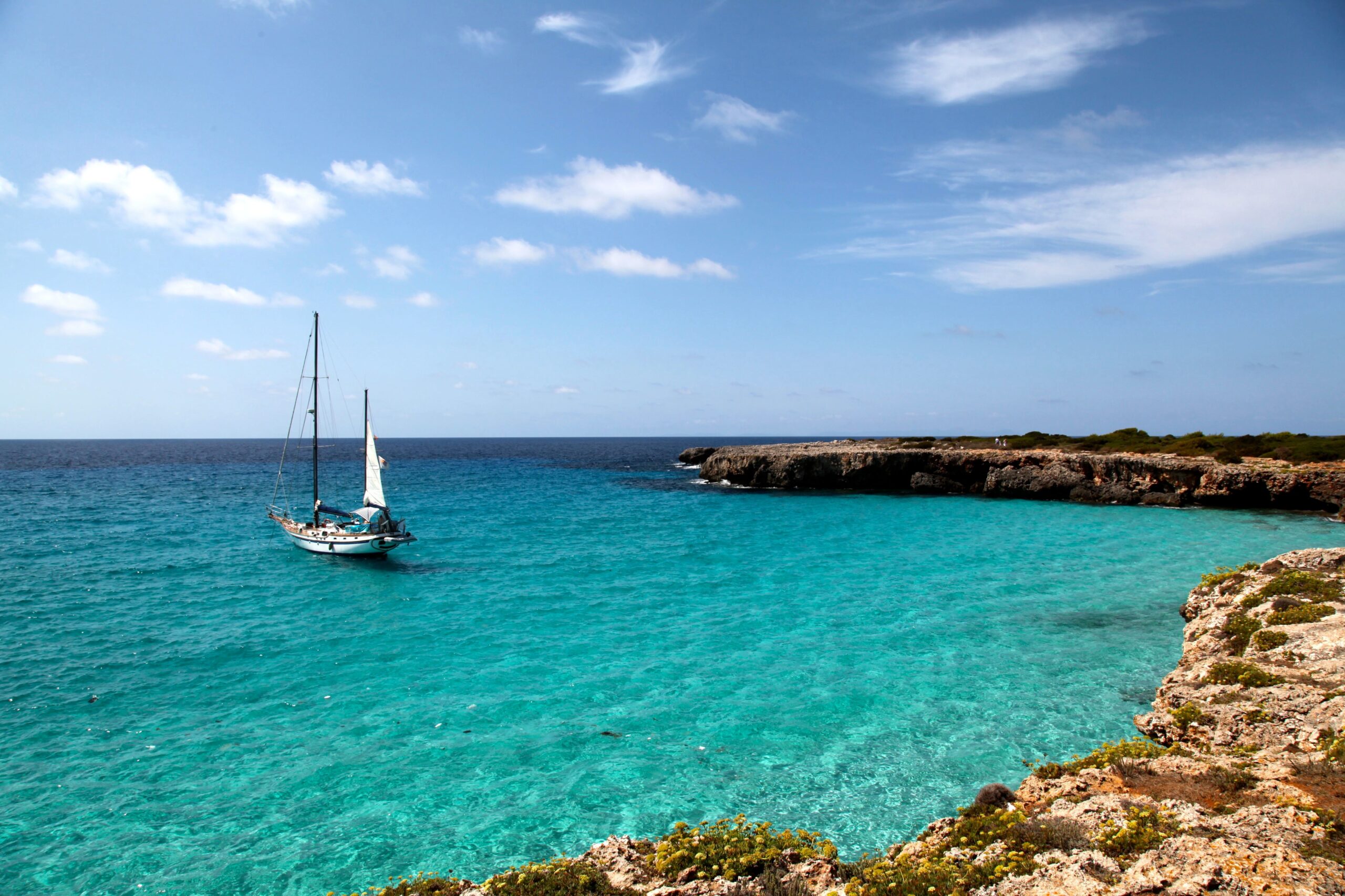
- Cala Macarella and Cala Macarelleta: twin coves widely considered among the most beautiful beaches in the Balearics, genuinely less crowded than comparable Mallorca beaches despite similar visual drama
- Mahón (Maó) old town: the island’s capital, with a genuinely relaxed harbour-front atmosphere and strong local food culture, notably as the birthplace of mayonnaise
- Ciutadella: the former capital, with a well-preserved old town and a genuinely strong local festival culture, particularly the Festes de Sant Joan each June
Why Mallorca Still Wins for Specific Things
Mallorca’s nightlife density (Magaluf, Palma’s Passeig Marítim) and its status as a genuine year-round city (Palma itself, with strong museums, dining, and urban culture beyond the beach) offer things Menorca simply doesn’t attempt to replicate. Menorca’s entire tourism model is built around restraint, meaning travellers specifically wanting a livelier, more urban Balearic experience should stay with Mallorca.
The honest verdict: if the trip’s purpose is specifically Mallorca’s nightlife or its status as a genuine city break destination via Palma, that requires Mallorca itself. For everyone else wanting quieter beaches, genuine coastal hiking, and lower costs, Menorca delivers a meaningfully different, more restrained Balearic experience.
The Building Restrictions That Genuinely Shaped Menorca
Menorca’s UNESCO status isn’t purely symbolic, it comes with genuine planning restrictions limiting new coastal construction, particularly around the island’s most sensitive natural areas. This is the direct reason Menorca’s coastline retains long stretches of undeveloped scrubland between its towns, a striking contrast to the near-continuous resort development along much of Mallorca’s southern coast, and the practical explanation for why Menorca’s beaches feel genuinely different even when objectively similar in size and beauty.
Fornells: A Quieter Alternative Base
For travellers wanting to avoid even Mahón and Ciutadella’s relatively modest tourist density, Fornells, a small fishing village on the island’s north coast, offers an even lower-key base, known particularly for its lobster stew (caldereta de langosta) and a genuinely tranquil harbour setting well away from the island’s already limited main tourist circuit.
What a Week Actually Costs
| Category | Mallorca (per person) | Menorca (per person) |
|---|---|---|
| Accommodation (6 nights, split two ways) | £340-£680 | £265-£530 |
| Food | £150-£230 | £130-£190 |
| Activities/car hire | £80-£140 | £70-£120 |
| Total (excluding flights) | £570-£1,050 | £465-£840 |
Menorca runs roughly 20-25% cheaper than Mallorca’s more developed resort areas, a more modest gap than some island swaps, reflecting the fact that both remain genuine Balearic destinations rather than one being dramatically more budget-oriented.
Step-by-Step: Planning a Menorca Trip
- Fly directly into Menorca Airport (Mahón), served by direct UK flights particularly in summer season, rather than routing via Mallorca and adding an inter-island connection.
- Rent a car for the full stay, since Menorca’s beaches and the Camí de Cavalls trailheads are spread across the island without comprehensive public transport connecting them all.
- Book Cala Macarella and Macarelleta parking early or arrive before 9am, since limited parking at these popular coves fills quickly during peak summer.
- Time a visit around Ciutadella’s Festes de Sant Joan (late June) if the dates align, a genuinely significant local festival involving traditional horsemanship displays unlike anything in Mallorca’s more internationally-oriented events calendar.
- Pack proper hiking footwear if planning any Camí de Cavalls sections, since parts of the trail cross genuinely rugged coastal terrain rather than groomed paths.
Frequently Asked Questions
Is Menorca as beautiful as Mallorca?
Differently beautiful, with Menorca’s appeal built around unspoiled coastline and agricultural interior rather than Mallorca’s mix of dramatic mountains (the Serra de Tramuntana specifically) and more developed coastal resorts.
How do you get to Menorca from the UK?
Direct flights serve Menorca Airport (Mahón) from several UK airports, particularly in summer season, removing any need to route through Mallorca first.
Is Menorca suitable for a family beach holiday?
Yes, genuinely well-suited, with calmer, less crowded beaches and a generally quieter overall atmosphere that many families find preferable to Mallorca’s busier resort areas.
What is the best time of year to visit Menorca?
June and September offer the strongest combination of warm sea temperatures and lower crowds, with July-August bringing peak heat and, while still noticeably calmer than Mallorca’s resort areas, the busiest period on the island.
Is Menorca more expensive to reach from the UK than Mallorca?
Generally comparable, though Mallorca’s larger airport and higher overall flight volume means slightly more route options and potentially marginally lower fares on some dates, a modest factor rather than a significant cost differentiator between the two islands.
Does Menorca have any nightlife at all, or is it entirely quiet?
Some, concentrated mainly in Cala’n Bosch and parts of Ciutadella and Mahón during summer, though nothing approaching Mallorca’s Magaluf in scale or intensity. Menorca’s nightlife exists but remains deliberately secondary to the island’s broader emphasis on nature and quieter evenings.
The Bottom Line
Menorca delivers a genuinely quieter, more restrained Balearic experience than Mallorca’s developed south and east coasts, with excellent coastal hiking and beaches that retain a sense of space even at peak season. The trade-off is losing Mallorca’s nightlife density and its genuine city-break credentials via Palma, both of which Menorca deliberately doesn’t attempt to match.