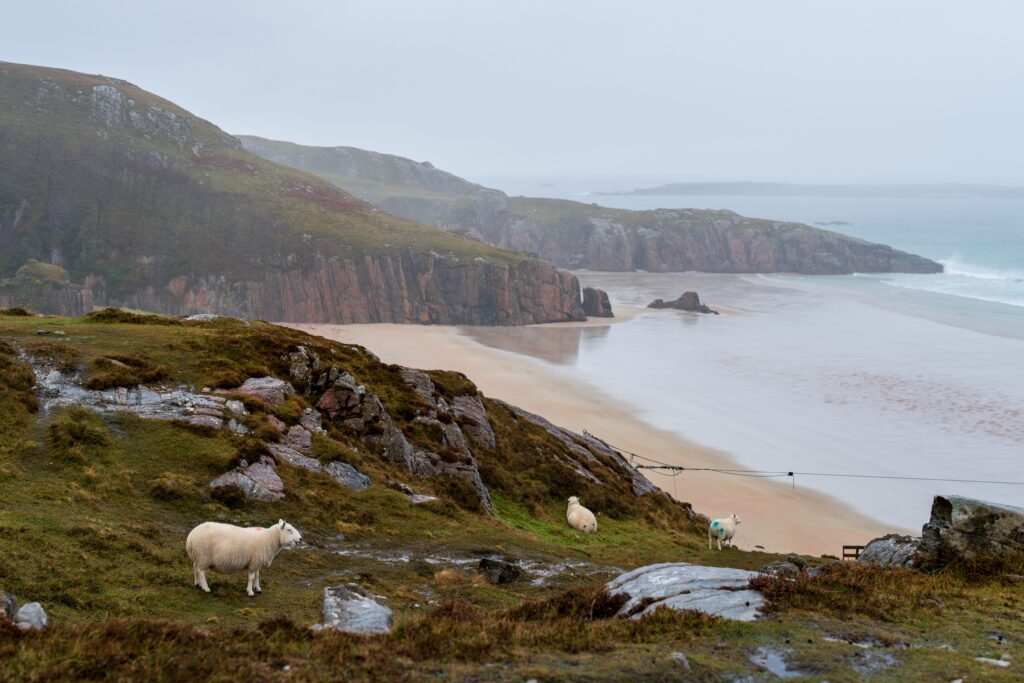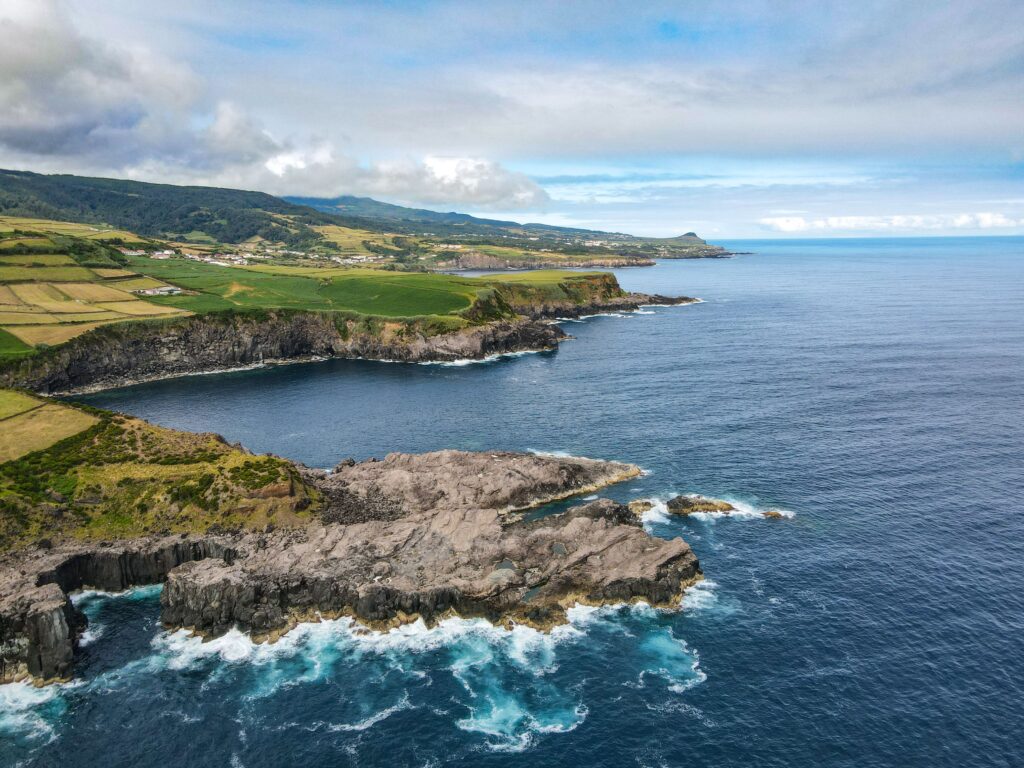

Northern Spain’s Atlantic coast offers a genuinely different Spain from the Mediterranean holiday image, dramatic green cliffs, world-class food culture, and consistently cooler temperatures, connected by a coastal drive most UK travellers have never considered.
Quick answer: 7 days driving from Bilbao to Santiago de Compostela costs roughly £480-£580 per person excluding flights, based on mid-range hotels, three meals a day, and a rental car for the full week. Direct flights from the UK run 2-2.5 hours to Bilbao, with a return flight from Santiago de Compostela completing the one-way route.
The 7-Day Route at a Glance
| Days | Location | Highlight | Accommodation Cost |
|---|---|---|---|
| 1-2 | Bilbao & San Sebastián | Guggenheim Museum, pintxos culture | £70-£120/night |
| 3-4 | Santander & Picos de Europa | Cantabrian coast, mountain scenery | £55-£95/night |
| 5-6 | Asturias (Gijón/Cudillero) | Cider culture, dramatic cliff villages | £50-£90/night |
| 7 | Santiago de Compostela | Cathedral, old town | £45-£85/night |
This route runs roughly 480 miles total, genuinely manageable across a week without excessive daily driving given the strong overnight stops along the way.
Day-by-Day Breakdown
Days 1-2: Bilbao & San Sebastián
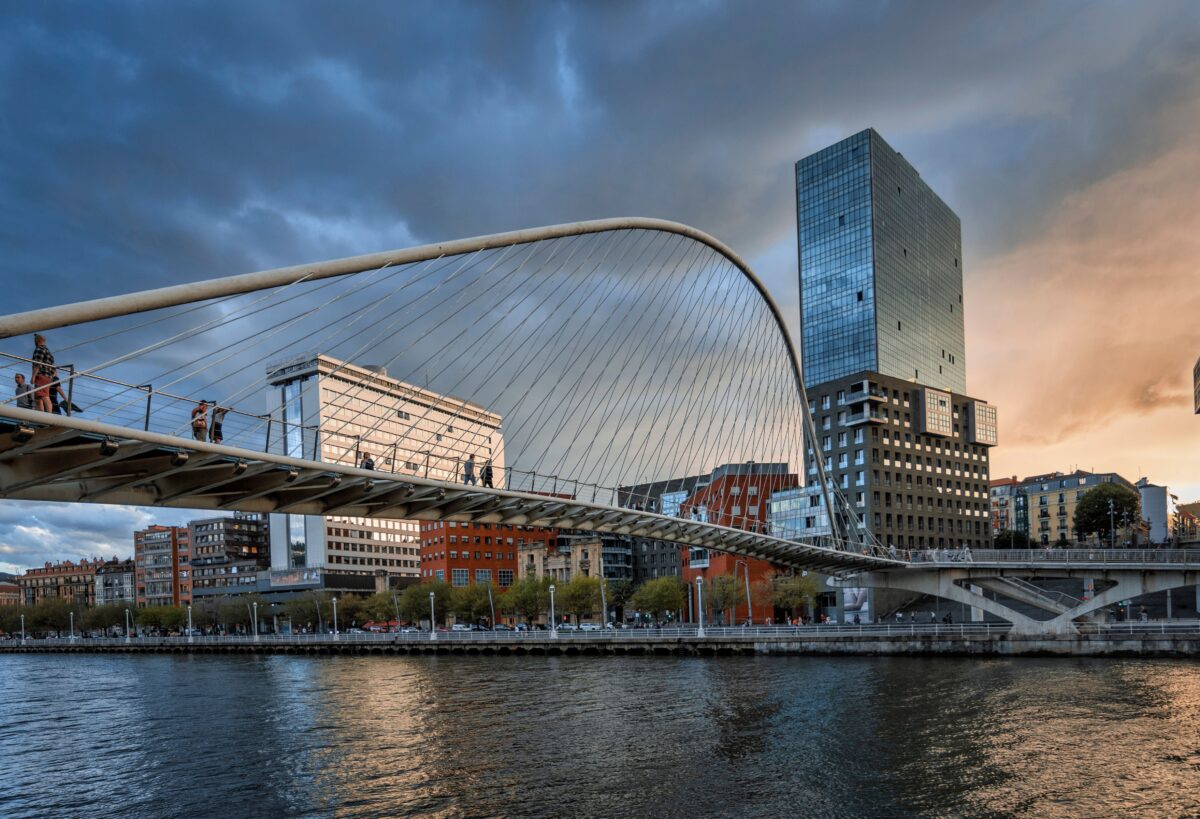
Bilbao’s transformation from an industrial port city to a genuine cultural destination, anchored by the Guggenheim Museum, makes it a strong starting point, with San Sebastián’s pintxos culture a short 1-hour drive away.
- Guggenheim Museum Bilbao: €18 (£15.45), Frank Gehry’s titanium-clad building remains as significant architecturally as the art collection itself
- San Sebastián pintxos crawl: a full evening of pintxos (Basque-style small plates) across 4-5 bars runs €25-€40 (£21.45-£34.30) per person, genuinely one of the best food experiences in Spain
- La Concha Beach: free, consistently ranked among Europe’s best urban beaches
- Dinner: a full Basque meal (beyond pintxos, a proper sit-down dinner) runs €25-€40 (£21.45-£34.30) per person
- Accommodation: mid-range hotels in Bilbao or San Sebastián from £70-£120/night
Days 3-4: Santander & Picos de Europa
The drive from San Sebastián to Santander takes roughly 2 hours, continuing along the Cantabrian coast to a genuinely underrated Spanish city.
- Santander’s El Sardinero beach and Magdalena Peninsula: free, offering strong coastal walking with views over the Royal Palace grounds
- Picos de Europa day trip: a short drive inland reaches this dramatic mountain range, with the Fuente Dé cable car (€20/£17.15 return) offering access to high-altitude hiking without a full mountaineering commitment
- Dinner: a full Cantabrian meal (anchovies from Santoña and fresh seafood are regional specialties) runs €20-€32 (£17.15-£27.45) per person
- Accommodation: hotels in Santander from £55-£95/night
The 6am principle applies loosely at the Picos de Europa. Clear mountain views are most reliable in the early morning before cloud typically builds through the day, worth timing the Fuente Dé cable car visit around this pattern.
Comillas: A Half-Day Detour Worth Making
Between Santander and Gijón, the small town of Comillas is worth a stop, home to El Capricho, a striking modernist building designed by Antoni Gaudí decades before his more famous Barcelona work. Entry runs €8 (£6.85), and the town’s compact, walkable centre offers a genuinely pleasant break in the drive, alongside a strong beach and a well-preserved Pontifical University building overlooking the coast.
Days 5-6: Asturias (Gijón/Cudillero)
The drive from Santander to Gijón takes roughly 2 hours, entering Asturias, Spain’s cider-producing heartland with a genuinely dramatic coastline of cliff villages.
- Cudillero: a small fishing village built into a steep coastal ravine, genuinely one of the most photogenic spots on this entire route, free to explore
- Asturian cider house (sidrería) experience: a full meal with traditionally poured cider (escanciado, poured from height to aerate it) runs €18-€28 (£15.45-£24) per person, a genuinely distinctive regional tradition
- Gijón’s San Lorenzo beach and old town: free to explore, offering a strong urban coastal walk
- Dinner: a full Asturian meal (fabada, the region’s bean and pork stew, is the dish to try) runs €18-€28 (£15.45-£24) per person
- Accommodation: hotels in Gijón or Cudillero from £50-£90/night
Day 7: Santiago de Compostela
The drive from Gijón to Santiago de Compostela takes roughly 4-4.5 hours, completing the route at the final destination of the Camino de Santiago pilgrimage route.
- Santiago Cathedral: free entry, the destination point for pilgrims completing any Camino route, with the pilgrim mass and, on certain occasions, the botafumeiro incense ceremony drawing genuine crowds
- Santiago’s old town: free to explore, a UNESCO World Heritage site with a genuinely lively atmosphere given the city’s large student population alongside its pilgrimage significance
- Dinner: a full Galician meal (pulpo a la gallega, octopus prepared Galician-style, is the regional specialty) runs €18-€28 (£15.45-£24) per person
- Accommodation: hotels in Santiago’s old town from £45-£85/night
What £480-£580 Actually Covers
| Category | Total for 7 Days (GBP, per person) |
|---|---|
| Accommodation (6 nights, split two ways) | £180-£300 |
| Food (three meals daily) | £120-£175 |
| Rental car (full week, split two ways) | £75-£110 |
| Activities/entry fees | £35-£55 |
| Total | £410-£640 |
Step-by-Step: Booking This Route
- Fly into Bilbao and out of Santiago de Compostela, both served by direct UK flights, avoiding the need to backtrack along the same route.
- Rent a car for the full week, since this coastal route’s smaller towns and villages (Cudillero specifically) aren’t comprehensively connected by public transport.
- Book the San Sebastián pintxos crawl loosely rather than pre-planning every stop, since the genuine local approach is to move between bars organically rather than following a fixed itinerary.
- Check Picos de Europa weather and cable car status before the day trip, given the mountain range’s genuine susceptibility to cloud cover that can obscure the summit views.
- Carry cash for smaller Asturian villages, since card acceptance, while generally good in Spain, can be less consistent in the smallest coastal communities.
Frequently Asked Questions
Do UK citizens need a visa for this trip?
No. Spain is part of the Schengen Area, allowing UK passport holders to visit visa-free for stays up to 90 days within any 180-day period.
Is this route as hot as southern Spain in summer?
No, genuinely one of the route’s key advantages, northern Spain’s Atlantic coast runs noticeably cooler than Andalusia or the Mediterranean coast, with summer temperatures typically 20-26°C rather than the 35-40°C+ common further south.
Is a rental car essential for this route?
Genuinely yes, given the spread of destinations and the smaller villages (Cudillero specifically) that public transport doesn’t comprehensively serve.
What is the best time of year for this route?
June-September offers the most reliable weather for coastal exploration, with this region’s Atlantic climate meaning rain remains a genuine possibility even in summer, unlike Spain’s drier southern regions.
Is this route suitable for a first-time visit to Spain, or better for repeat visitors?
Works well for either, though first-time visitors specifically wanting the classic Mediterranean beach and city image (Barcelona, Andalusia) may prefer to start there, with this Atlantic coast route rewarding travellers specifically seeking a cooler, food-focused alternative to Spain’s more internationally famous regions.
The Bottom Line
This route delivers a genuinely different Spain, dramatic Atlantic coastline, world-class Basque and Asturian food culture, and consistently cooler temperatures than the country’s more famous southern destinations, connected by a manageable week-long drive. The trade-off is accepting northern Spain’s more variable, rain-possible climate in exchange for escaping the south’s often extreme summer heat.