



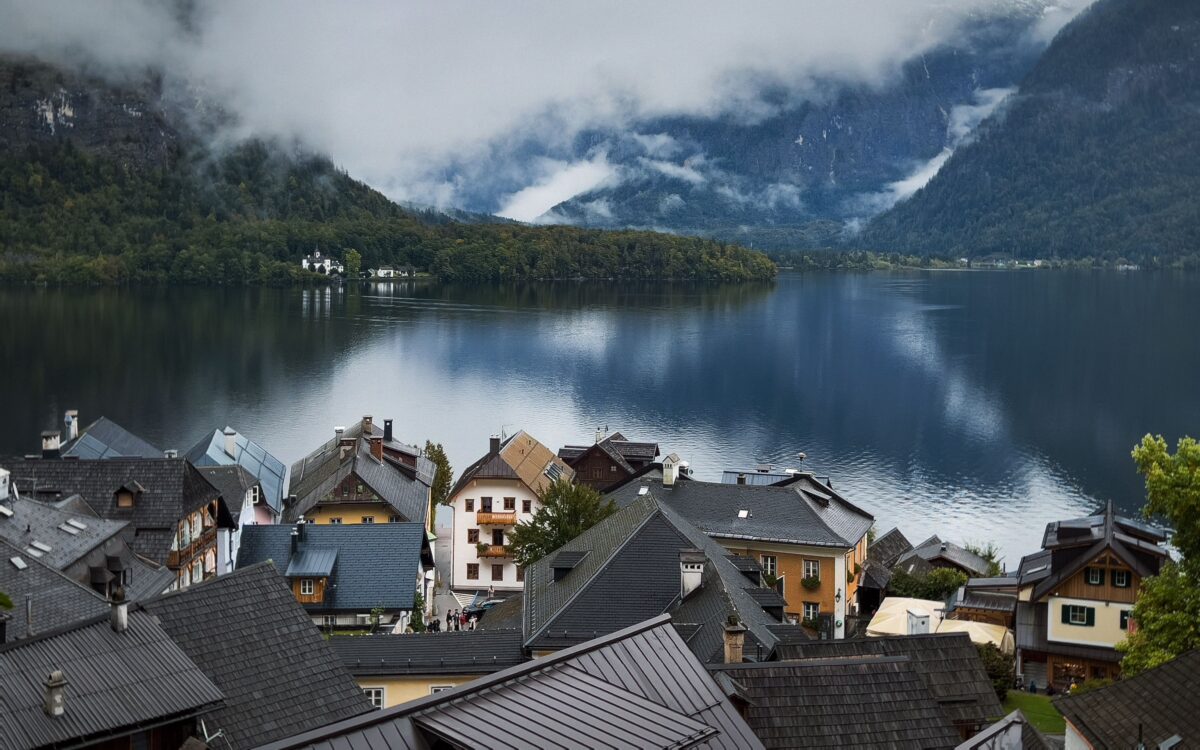
Hallstatt’s population of around 780 residents now receives roughly 10,000 visitors on a single peak day, a ratio so extreme the village has introduced bus quotas and a tourist tax specifically to manage the crush. This is the honest guide to seeing it properly within a tight 4-hour window without becoming part of the problem.
Quick answer: visit Hallstatt before 9am or after 4pm, use the train rather than a tour bus (the village now caps daily bus arrivals), and focus on 3-4 specific spots rather than attempting to see everything. A well-timed 4-hour visit genuinely delivers the postcard experience; a midday visit during peak season genuinely doesn’t.
Why Hallstatt Became a Genuine Overtourism Case Study
Hallstatt’s fame accelerated dramatically after featuring in South Korean media and a widely-shared replica built in China, driving a surge in visitors, particularly East Asian tour groups, disproportionate to the village’s tiny size and limited infrastructure. Local authorities have since introduced a daily cap on tour bus arrivals and increased the tourist tax specifically to manage the resulting strain on a village genuinely unequipped to handle 10,000 daily visitors.
The 4-Hour Window That Actually Works
Timing here matters more than almost anywhere else on this site, given how dramatically Hallstatt’s character shifts between its quiet early morning state and its midday tour-group crush.
- 7-9am: genuinely quiet, close to how Hallstatt actually looks in the photos that made it famous, with most day-trip tour buses and trains not yet arriving
- 9am-3pm: the peak crush, particularly 10am-1pm when multiple tour groups overlap, genuinely difficult to move through the village’s narrow lakefront path during this window
- 4-6pm: crowds thinning as day-trip groups depart for return journeys, offering a second genuinely good window before evening
The honest verdict on timing: if a 4-hour visit is the constraint, structure it around either the early morning or late afternoon window specifically, rather than arriving mid-morning and fighting the crowds for the entire visit.
What the Village’s Own Tourist Tax Actually Funds
Hallstatt introduced a tourist tax increase specifically earmarked for infrastructure strain, waste management, public toilet upkeep, and road maintenance disproportionate to the village’s tiny permanent population. Unlike some destination taxes that function primarily as general revenue, Hallstatt’s specifically targets the visible, practical costs of hosting visitor numbers many multiples of the resident population on peak days, worth understanding as context for why the fee exists rather than viewing it purely as a cash grab.
What to Actually See in 4 Hours
The Classic Viewpoint (30 minutes)
The famous lakefront view, the one appearing in nearly every Hallstatt photo, is reachable from a specific small pier area near the Evangelical Church. Getting a clear shot without other tourists in frame genuinely requires the early morning window, since this exact spot is where the crowd concentrates most heavily during peak hours.
Hallstatt Skywalk Viewpoint (1-1.5 hours including the cable car)
The Salzwelten cable car (€24/£20.60 return) climbs to a viewing platform offering a genuinely different, elevated perspective over the village and lake, alongside access to the Hallstatt Salt Mine, one of the oldest salt mines in the world.
- Salt mine tour (combined with cable car access): €40 (£34.30), a genuinely worthwhile addition covering over 7,000 years of salt mining history at this exact location
Village Wander & Church (1 hour)
The village centre itself, away from the single most photographed pier spot, offers genuinely pleasant, quieter wandering, including the parish church and its distinctive charnel house (Beinhaus), containing painted skulls dating back centuries, a genuinely unusual and historically significant sight most day-trippers rush past.
Lakefront Walk (30-45 minutes)
A walk along the lake shore away from the village centre offers both a quieter pace and strong photo opportunities of the village from a distance, genuinely underused by the majority of visitors who concentrate entirely on the central pier viewpoint.
Getting There Without Adding to the Bus Problem
Hallstatt’s bus quota system specifically limits tour coach arrivals, but doesn’t restrict train travellers, making the train genuinely the better choice both practically and for minimising further strain on the village’s limited road infrastructure.
- Train from Salzburg: roughly 1 hour 40 minutes including a short ferry connection across the lake from Hallstatt’s train station (Obertraun-Hallstatt) to the village itself, genuinely scenic in its own right
- Train from Vienna: roughly 3-3.5 hours, a longer commitment but avoiding any tour bus logistics entirely
- Avoid organised bus day-trip tours where possible, both given the queue implications of the bus quota system and the broader consideration of minimising further pressure on an already strained village
What This Actually Costs
| Category | Cost (GBP) |
|---|---|
| Train from Salzburg (return) | £18-£28 |
| Ferry across the lake (included in most rail tickets, or separately) | £3-£5 |
| Salt mine and Skywalk combined ticket | £34.30 |
| Lunch | £15-£25 |
| Total | £70-£92 |
Step-by-Step: Planning a Responsible Hallstatt Visit
- Base in Salzburg rather than Hallstatt itself if possible, given the village’s genuinely limited accommodation capacity relative to demand, reducing further strain on local infrastructure.
- Take the earliest reasonable train to arrive before 9am, the single most effective step toward a genuinely enjoyable visit.
- Book the Salt Mine and Skywalk tickets in advance during peak season, since this attraction also sees significant demand-driven queuing.
- Be mindful of photography etiquette at private properties, since a genuine local complaint involves tourists photographing directly into residents’ windows and gardens along the lakefront path.
- Consider a shoulder-season visit (April-May, September-October) if the schedule allows, since crowd levels drop meaningfully outside the June-August peak even accounting for the same daily timing patterns.
Frequently Asked Questions
Is Hallstatt worth visiting given how crowded it’s become?
Yes, genuinely, provided the visit is timed carefully around the early morning or late afternoon windows rather than attempted during peak midday hours, when the crush can meaningfully diminish the experience.
How does Hallstatt’s bus quota system actually work?
Local authorities cap the number of tour buses permitted to enter the village per day, meaning organised bus tours may face restricted access or need advance booking through approved operators, while train travellers remain unaffected by this specific limitation.
Is it possible to stay overnight in Hallstatt rather than day-tripping?
Yes, though accommodation is genuinely limited relative to demand, meaning advance booking is essential, and staying overnight does offer access to the village’s quiet early morning and evening character without needing an early train departure.
What is the best time of year to visit Hallstatt?
Shoulder season (April-May, September-October) combined with early morning timing offers the strongest overall experience, avoiding both peak crowd volume and the most intense summer tourist season pressure.
Is it disrespectful to residents to visit Hallstatt at all, given the overtourism concerns?
Not inherently, provided visitors follow the etiquette covered here, avoiding photography into private homes, respecting the bus quota and access rules, and ideally visiting during quieter windows rather than adding to peak-hour congestion. Responsible, well-timed visits genuinely differ from the disruptive mass tourism the village’s measures specifically target.
The Bottom Line
Hallstatt remains genuinely beautiful and worth visiting, but only with deliberate timing around its extreme overtourism pressure, early morning or late afternoon, train rather than tour bus, and a focused itinerary rather than attempting to see everything during the crush. The honest trade-off is accepting a shorter, more targeted visit over a leisurely full-day exploration that peak-hour crowding genuinely doesn’t support.