

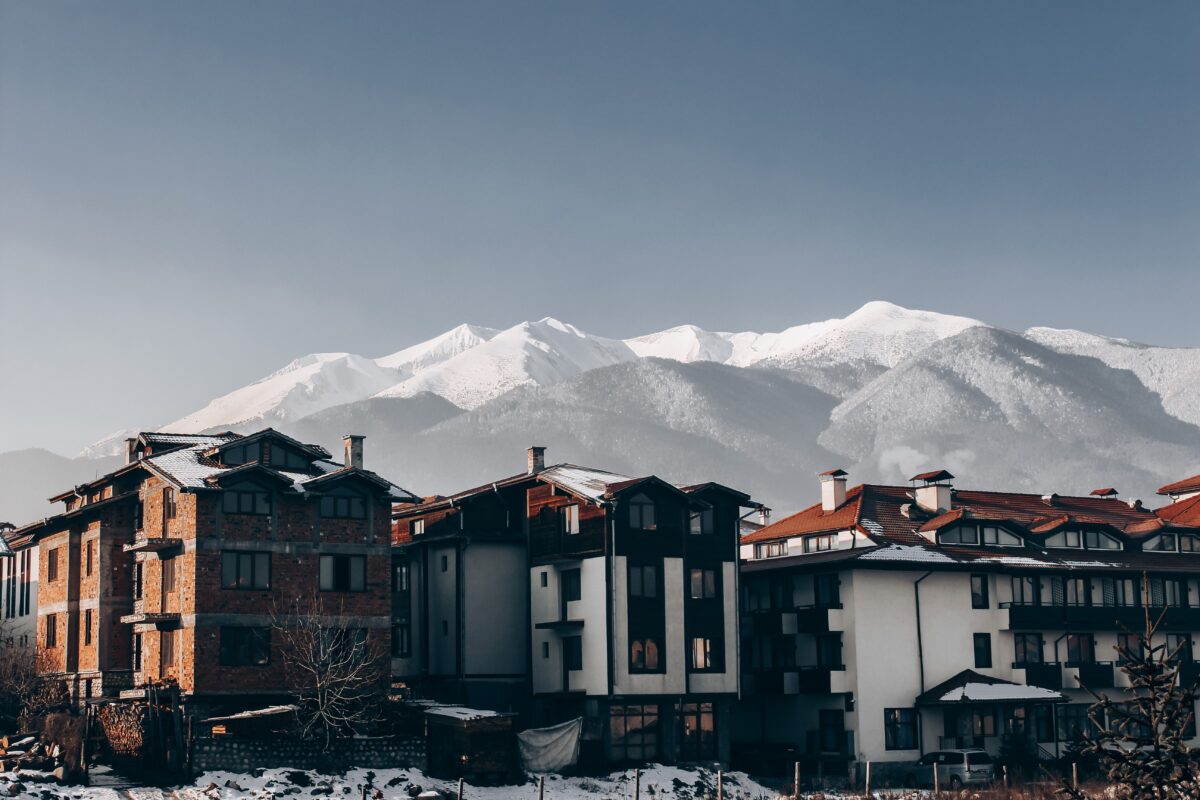
Bansko has quietly become one of Europe’s most established digital nomad hubs over the past decade, offering genuinely low living costs, strong coworking infrastructure, and direct access to Pirin National Park’s hiking and skiing, all within a Schengen-adjacent EU country requiring no complex visa arrangements for UK citizens on a short stay.
Quick answer: a month in Bansko for a remote worker costs roughly £550-£750 all-in, covering a private one-bedroom apartment, coworking access, and food, among the lowest costs of any established European nomad hub. UK passport holders get 90 days of visa-free Schengen access, sufficient for most nomad stays without requiring a separate visa application.
Bansko vs Other European Nomad Hubs
| Factor | Bansko | Lisbon | Tbilisi |
|---|---|---|---|
| Monthly apartment (1-bed, central) | £250-£380 | £900-£1,300 | £350-£500 |
| Average internet speed | 80-150 Mbps | 100-200 Mbps | 60-100 Mbps |
| Coworking (monthly) | £50-£90 | £150-£220 | £60-£100 |
| Visa-free stay for UK citizens | 90 days (Schengen) | 90 days (Schengen) | 365 days |
| Time zone from UK | GMT+2 | GMT+0/1 | GMT+4 |
Bansko’s two-hour time difference from the UK sits comfortably for real-time work overlap, a genuine advantage over Tbilisi’s four-hour gap for anyone needing consistent UK business-hours availability.
Why Bansko Specifically Became a Nomad Hub
Bansko’s nomad community developed organically around Coworking Bansko, one of the earliest dedicated digital nomad coworking spaces in Europe, established specifically to serve this growing population rather than repurposing existing office space. This early infrastructure investment created a genuine network effect, drawing more remote workers, which in turn supported more nomad-focused apartments, cafes, and services.
- Coworking Bansko: day passes from 20 BGN (£8.65), monthly membership around 350-450 BGN (£151.30-£194.55), with a genuinely strong community events calendar (workshops, hiking meetups, social dinners)
- Ski season crossover: Bansko is also Bulgaria’s premier ski resort town, meaning the nomad community overlaps with winter sports tourism from December through March, creating a genuinely lively winter atmosphere distinct from the quieter summer hiking season
Where to Live
Bansko Town Centre
Central Bansko offers the most walkable access to coworking spaces, cafes, and restaurants, with rent for a renovated one-bedroom apartment running £280-£380/month.
Outskirts Toward Pirin National Park
Apartments slightly further from the centre, closer to the mountain trailheads, run £250-£320/month, a modest saving that appeals particularly to nomads prioritising hiking access over central nightlife proximity.
Where to Work
Beyond Coworking Bansko itself, several cafes throughout the town offer genuinely reliable wifi and long-stay tolerance, reflecting the town’s overall accommodation of remote workers as a core part of its local economy rather than an afterthought.
- Coworking Bansko: the established hub, offering the strongest community and networking value alongside reliable infrastructure
- Independent cafes throughout the centre: several offer strong wifi and are genuinely accustomed to laptop workers, unlike some destinations where cafe culture actively discourages long stays
Pirin National Park: The Genuine Lifestyle Draw
Bansko’s position at the base of Pirin National Park gives it direct access to some of Bulgaria’s best hiking, a genuine differentiator from most European nomad hubs, which typically offer either a city or a beach setting rather than immediate mountain access.
- Vihren Peak: Bulgaria’s second-highest peak, reachable via a demanding but achievable day hike from Bansko for reasonably fit hikers
- Bansko ski lift (summer operation): provides mountain access for hikers without the full ascent, useful for shorter trail options or simply reaching high-altitude viewpoints without the complete climb
- Winter skiing: Bansko’s ski resort offers genuinely strong skiing by Balkan standards, at prices noticeably below Alpine resorts, a strong option for nomads extending a winter stay
The Local Cost of Living Beyond Rent
Bansko’s overall cost advantage extends well beyond accommodation. A full restaurant meal at a traditional Bulgarian mehana (tavern) typically runs 12-20 BGN (£5.20-£8.65), and local produce markets offer genuinely cheap, fresh ingredients for anyone cooking regularly. Public transport within the town is minimal since most nomads walk or occasionally use taxis, themselves inexpensive by Western European standards, for longer trips or airport transfers to Sofia, roughly 2.5 hours away by road.
Step-by-Step: Setting Up for a Month
- Book a short-term apartment for the first week only, using this time to view longer-term options in person before committing to a full month’s rental.
- Get a local SIM card on arrival, with A1 and Vivacom both offering affordable data packages sufficient for remote work needs.
- Join the Bansko Nomad Fest Facebook group and Coworking Bansko’s community channels before arrival, since this is genuinely one of the most active and welcoming nomad communities in Europe, with regular social events and hiking meetups.
- Confirm the 90-day Schengen limit against your specific travel plans, since Bulgaria’s Schengen membership (as of 2024) means the standard 90/180 day rule applies rather than a separate Bulgarian visa allowance.
- Pack for genuine seasonal variation, since Bansko’s mountain setting means noticeably colder winters than coastal Bulgarian destinations, alongside warm, pleasant summers well suited to hiking.
What a Month Actually Costs
| Category | Monthly Cost (GBP) |
|---|---|
| One-bedroom apartment (central) | £250-£380 |
| Coworking or cafe work costs | £50-£90 |
| Food (mix of cooking and eating out) | £130-£190 |
| Local transport | £10-£20 |
| SIM/data | £5-£10 |
| Total | £445-£690 |
Frequently Asked Questions
Do UK citizens need a visa to live and work remotely from Bansko?
UK passport holders can stay visa-free for up to 90 days within any 180-day period under Bulgaria’s Schengen membership, sufficient for most nomad stays, though remote work for a foreign employer while physically present falls into a similar legal grey area common across most visa-free nomad destinations.
Is Bansko safe for solo travellers, including women?
Bansko is generally considered safe, with low rates of violent crime and a genuinely welcoming attitude toward the established nomad and tourism community that forms a significant part of the local economy.
How fast is the internet in Bansko for remote work?
Central Bansko apartments and Coworking Bansko typically deliver 80-150 Mbps, genuinely sufficient for video calls and demanding remote work needs, reflecting the infrastructure investment the town has made specifically to support its nomad population.
What is the best time of year to be in Bansko as a digital nomad?
Both summer (June-September) for hiking and winter (December-March) for skiing offer strong reasons to visit, with spring and autumn shoulder seasons providing a quieter, lower-cost alternative for nomads prioritising cost savings over either peak activity season.
How does Bansko’s nomad scene compare in size to more established hubs like Lisbon or Chiang Mai?
Smaller in overall scale, but genuinely tight-knit given Coworking Bansko’s role as a long-running community anchor rather than one of several competing spaces, meaning newcomers often find it easier to integrate quickly into an established social network here than in larger, more diffuse nomad hubs.
The Bottom Line
Bansko delivers one of Europe’s most established and genuinely affordable digital nomad setups, combining strong coworking infrastructure, direct mountain access, and a welcoming community, all within easy Schengen-free reach of the UK. The trade-off compared to a warmer, coastal alternative is Bansko’s genuinely cold mountain winters, though this doubles as the town’s ski season draw for nomads who want that seasonal variety.