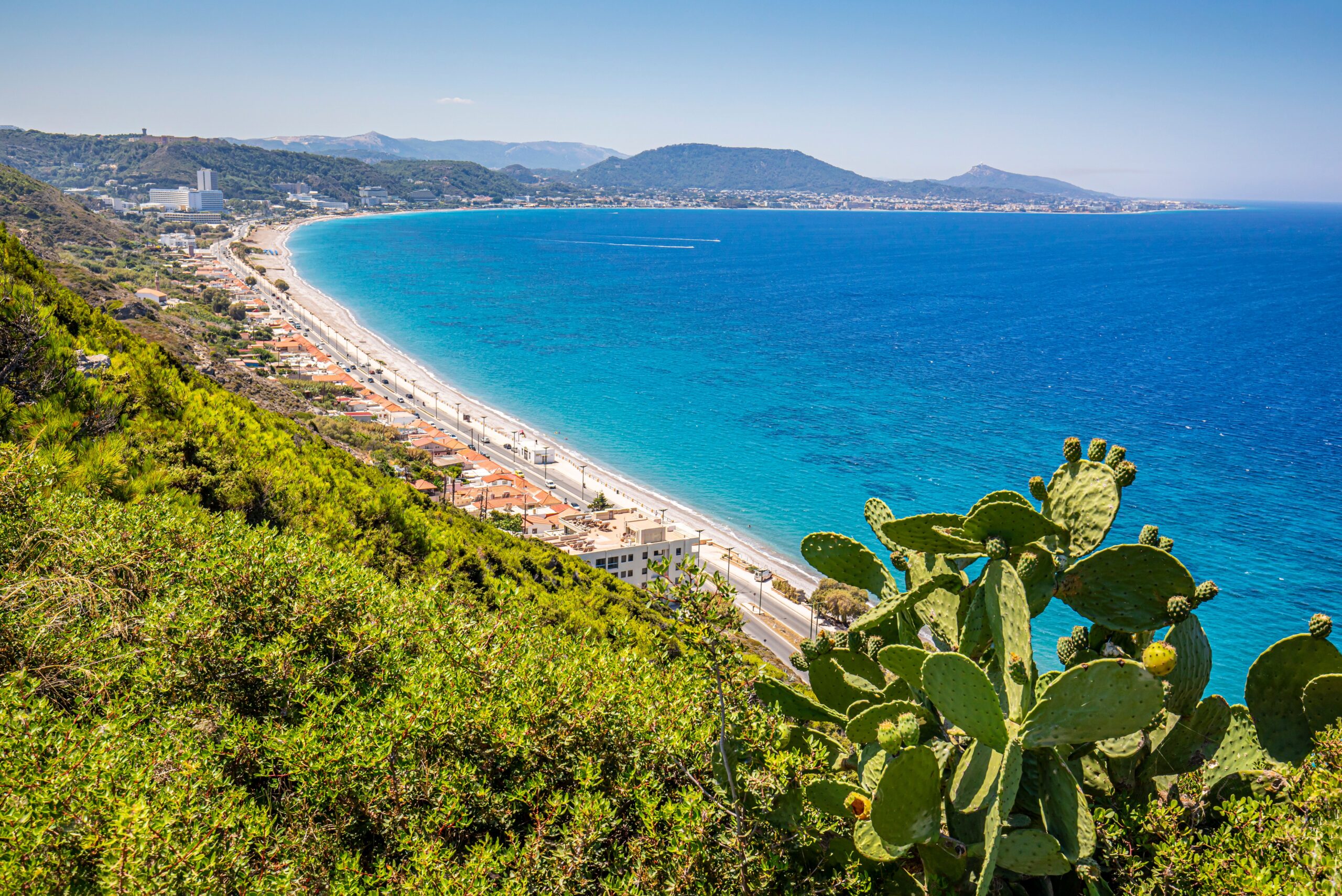



The Cinque Terre’s popularity has grown so intense that Italian authorities now cap daily visitor numbers on the famous coastal hiking trails, with peak-season trail closures a genuine possibility once capacity is reached. Cilento, further south along the same Tyrrhenian coastline, offers comparably dramatic cliff villages without any of this infrastructure.
Quick answer: swap the Cinque Terre for Cilento if the priority is genuine cliffside coastal villages and hiking without visitor caps and timed entry systems. Keep the Cinque Terre on the itinerary if the specific five interconnected villages and their famous train-and-trail network is the non-negotiable draw, since Cilento’s villages, while comparable in beauty, aren’t linked by the same purpose-built tourist infrastructure.
Cinque Terre vs Cilento: Head-to-Head
| Factor | Cinque Terre | Cilento |
|---|---|---|
| Annual visitors | Roughly 2.4 million | A fraction of that total |
| Trail access | Capped daily numbers, paid Cinque Terre Card required for some trails | Free, unrestricted access throughout |
| Village connectivity | Purpose-built train line connecting all five villages | Requires a car, less centrally connected |
| Accommodation (mid-range, per night) | €130-€220 (£111.45-£188.55) | €70-€130 (£60-£111.45) |
| UNESCO status | Yes, Cinque Terre and Portovenere | Yes, Cilento and Vallo di Diano National Park |
What Cilento Actually Offers
Cilento holds its own UNESCO World Heritage status, covering both a national park and a coastline of dramatic cliffs, hidden coves, and traditional fishing villages sharing the same geological drama as the Cinque Terre, without the accompanying infrastructure strain and visitor caps.
- Palinuro: known for its sea caves, particularly the Blue Grotto (Grotta Azzurra), reachable by boat trip and genuinely comparable to the Cinque Terre’s own coastal cave formations, at a fraction of the visitor volume
- Marina di Camerota: a working fishing town with cliffside character comparable to the Cinque Terre’s Vernazza or Manarola, without any trail capacity restrictions
- Acciaroli: the small town Ernest Hemingway is said to have used as inspiration for The Old Man and the Sea, retaining a genuinely unhurried, authentic Italian coastal atmosphere
- Coastal hiking trails: genuinely comparable cliffside paths to the Cinque Terre’s famous Sentiero Azzurro, entirely free and unrestricted, without any daily capacity cap or paid card requirement
Why the Cinque Terre Still Wins for Specific Things
The Cinque Terre’s genuinely unique feature, five distinct villages connected by both a dedicated train line and a continuous coastal trail network, offers a specific kind of village-hopping convenience that Cilento’s more spread-out coastline doesn’t replicate. For travellers specifically wanting to experience all five villages in a single day using the train-and-trail system, that requires the Cinque Terre itself.
The honest verdict: if the specific five-village train-hop experience is the trip’s purpose, that requires the Cinque Terre despite its visitor caps and rising costs. For travellers wanting comparably dramatic cliffside coastal villages and genuine hiking access without capacity restrictions, Cilento delivers a meaningfully calmer, more flexible experience.
What a Week Actually Costs
| Category | Cinque Terre (per person) | Cilento (per person) |
|---|---|---|
| Accommodation (6 nights, split two ways) | £335-£565 | £180-£335 |
| Food | £170-£250 | £120-£180 |
| Trail cards/activities | £50-£90 | £40-£70 |
| Total (excluding flights) | £555-£905 | £340-£585 |
Cilento runs roughly 35-40% cheaper than the Cinque Terre, reflecting both lower accommodation demand and the absence of any paid trail access system.
Step-by-Step: Planning a Cilento Trip
- Fly into Naples, the same gateway airport used for the Cinque Terre region (via a connecting train to La Spezia), with Cilento reachable by a roughly 90-minute to 2-hour drive south instead.
- Rent a car for the full week, since Cilento’s towns are more spread out than the Cinque Terre’s train-connected villages, making independent transport genuinely valuable rather than optional.
- Book the Palinuro sea cave boat trip early in the stay, since weather-dependent activities benefit from a backup day if the first booking needs to shift.
- Check current Cinque Terre trail capacity and card requirements if still considering that region for comparison, since these restrictions have expanded in recent years and are worth understanding even when opting for Cilento instead.
- Base in Marina di Camerota or Palinuro for the strongest combination of beach access, dining options, and central positioning relative to the wider Cilento coastline.
Frequently Asked Questions
Is Cilento as beautiful as the Cinque Terre?
Genuinely comparable in coastal drama and traditional town character, though the Cinque Terre retains a specific globally recognised identity as five interconnected villages that Cilento’s more spread-out coastline doesn’t directly replicate.
How far is Cilento from Naples?
Roughly 90 minutes to 2 hours by car, depending on the specific Cilento town, comparable to or shorter than the drive plus train connection required to reach the Cinque Terre from most Italian gateway airports.
Does Cilento have any visitor restrictions like the Cinque Terre’s trail caps?
No, Cilento’s coastal trails and villages remain freely accessible without any daily visitor cap or paid card system, a genuine practical advantage for spontaneous, flexible travel.
What is the best time of year to visit Cilento?
June and September offer the strongest combination of warm sea temperatures and lower crowds, with July-August bringing peak Italian domestic tourist season, still notably less crowded than the Cinque Terre’s equivalent peak.
The Cinque Terre’s Trail Cap System Explained
The Cinque Terre’s daily visitor cap on the Sentiero Azzurro (Blue Trail) reflects genuine over-capacity concerns following years of trail damage and safety issues from overcrowding, particularly on the most popular Monterosso-to-Vernazza and Vernazza-to-Corniglia sections. The Cinque Terre Card, required for certain trail sections, costs €7.50-€18.20 depending on validity period and whether train travel between villages is included, adding a genuine cost and planning layer that Cilento’s freely accessible trails simply don’t require.
Cilento’s Own UNESCO Recognition
Beyond its coastal beauty, the Cilento and Vallo di Diano National Park holds UNESCO World Heritage status specifically for its combination of natural landscape and significant archaeological sites, including the ancient Greek ruins at Paestum, among the best-preserved Doric temples anywhere outside Greece itself. This adds a genuine historical dimension to a Cilento trip that goes beyond coastal scenery alone, offering a worthwhile inland day trip addition most Cinque Terre itineraries, focused entirely on the coast, simply don’t include.
The Bottom Line
Cilento delivers genuinely comparable dramatic cliffside coastal villages and hiking to the Cinque Terre, at a meaningfully lower cost and entirely without the visitor caps, paid trail cards, and capacity restrictions increasingly defining a Cinque Terre visit. The trade-off is losing the Cinque Terre’s specific purpose-built train-and-trail connectivity between its five distinct villages, genuinely unique to that particular region’s infrastructure.