
The overtourism guide that names the places and gives the alternatives — not because the famous places are no longer worth visiting (most of them are), but because the version of them that exists at the peak-season peak-hour is a fundamentally different place from the version available at 6:30am in October, and the visitor who arrives at the Colosseum at 10am in August and the visitor who arrives at 7am in November are visiting the same monument and having completely different experiences. The honest assessment of where the volume has become the experience, the specific causes, and the specific alternatives — including the “same place, different time” solution that the destination-change advice overlooks.
Reading time: 9 minutes | Last updated: 2026
The 12 Destinations
1. Santorini, Greece — Peak Season
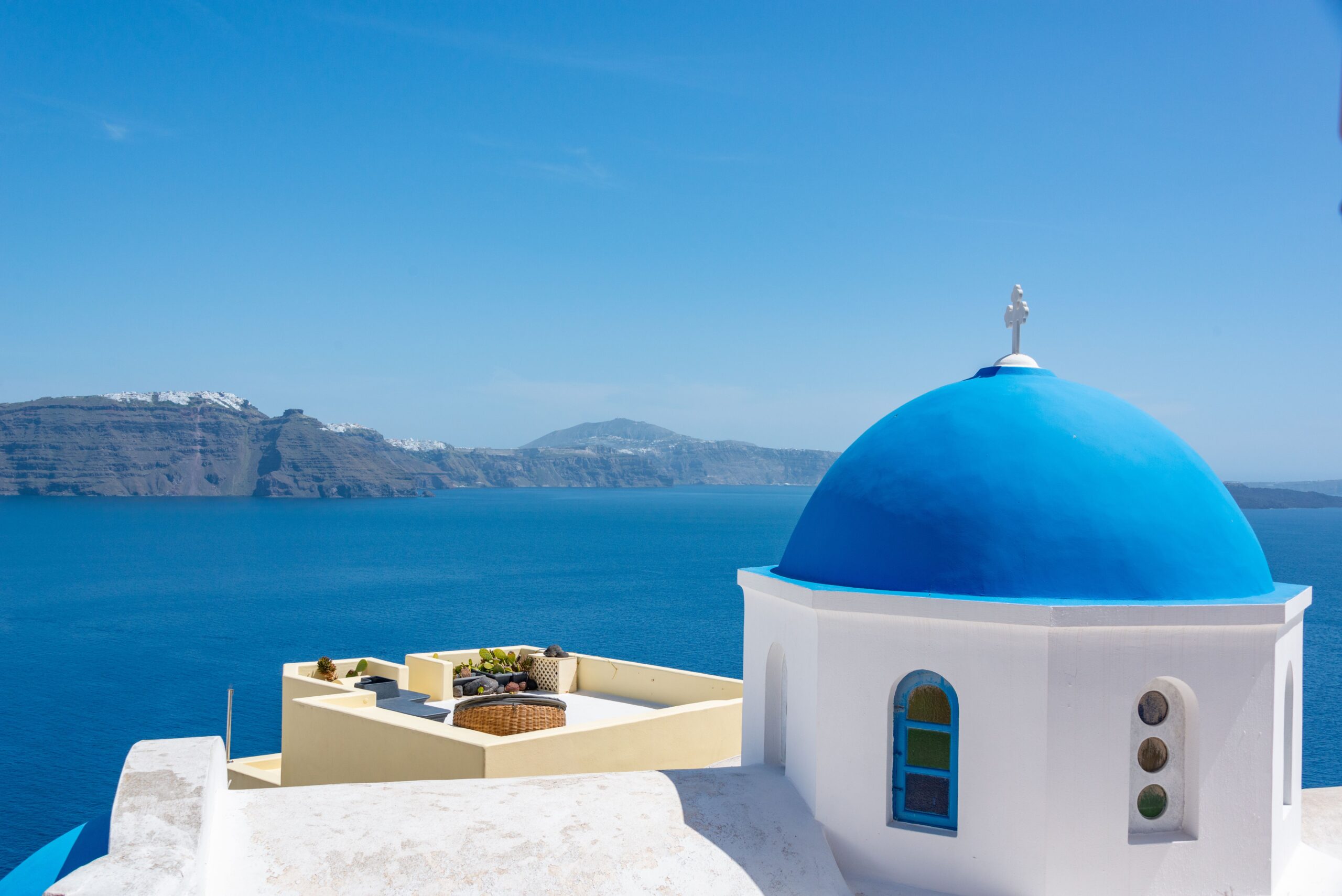
The reality: 3 million visitors per year on an island of 15,000 residents. The Oia sunset (the Oia clifftop, the white-domed churches, the Aegean visible below, the photograph that every Instagram travel account uses as the Santorini image): at 7pm in July, the Oia clifftop has 2,000 people waiting for the same photograph.
What the BGGD recommends instead:
- Different time: Santorini in April or October — 30% of the July volume, the same sunset.
- Different island: Milos (the Kleftiko sea cave, the Sarakiniko white rock beach, the specific Cycladic island that the Santorini postcard obscures with its greater fame). Folegandros. Sifnos.
2. Dubrovnik, Croatia — Cruise Ship Days
The reality: Dubrovnik receives up to 10,000 cruise ship passengers per day in peak summer. The population of the Old City is 1,800. On cruise days (the schedule visible at cruisetimetables.com), the old city’s streets are at capacity by 9:30am.
What the BGGD recommends instead:
- Different time within the day: Arrive at the city gates at 7am (before the ships disembark), leave by 11am. Return at 5pm when the day visitors leave. The game: the gate opens at 7am, the ships disembark at 9:30am, the day-trippers arrive at 10am.
- Different destination: Kotor (Montenegro), the Ston peninsula, the Korčula island. Full detail: 2 Weeks in the Balkans Extended.
3. Venice, Italy — Always
The reality: Venice receives approximately 13 million visitors per year to a city of 50,000 residents — and the residents are leaving at a rate of 1,000 per year. The specific Venice problem is not the tourist season: it is the year-round imbalance between the tourism economy and the living city that the tourism has ceased to support.
What the BGGD recommends instead:
- The Venice that works: 7am in November. The Piazza San Marco with 12 other people. The Accademia museum without the queue.
- Different destination: Trieste (the Austro-Hungarian city on the Adriatic, the 12-hour drive from Venice, the specific Italy that the tourist industry has not yet discovered). Bologna. Ferrara.
4. Machu Picchu, Peru — High Season
The reality: Machu Picchu receives approximately 2,500 visitors per day (the Peruvian government introduced daily caps in 2019). The Inca Trail (the 4-day hike to the Sun Gate) requires the permit 4-6 months ahead. The site at 10am in July: dense.
What the BGGD recommends instead:
- Different time: The 6am entry slot (the first entry — the site significantly quieter before 9am). The shoulder season: April-May, September-October.
- Different Inca site: Choquequirao (the unrestored Inca site accessible only by the 2-day trek from Cachora — 3,000 visitors per year versus Machu Picchu’s 2,500 per day, the ruins visible in the state that Machu Picchu was in before the 1911 rediscovery).
5. Bali’s Seminyak/Canggu — Instagram Bali
The reality: The Bali that Instagram sells is a 20km corridor on the southwestern coast. The Canggu café that was the nomad secret in 2015 has 400 TikTok tags per week in 2025.
What the BGGD recommends instead:
- Different Bali: The north (Lovina, the dolphin watching, the specific Bali that the southern tourist infrastructure has not reached). Amed. Sidemen. The Munduk highlands.
- Different island entirely: Lombok’s Gili Air (less crowded than Gili Trawangan). The Nusa Penida for the day, not the overnight. Full detail: Thailand vs Indonesia.
6. Amsterdam — Year-Round
The reality: Amsterdam receives 22 million visitors per year to a city of 921,000. The Dutch government has actively discouraged tourism — the “Stay Away” campaign of 2023, the cannabis café restrictions, the removal of the “I Amsterdam” sign.
What the BGGD recommends instead:
- The Amsterdam that works: The Jordaan at 7am. The Rijksmuseum with the timed entry, arriving at opening.
- Different city: Rotterdam (the Markthal, the Cube Houses, the specific Netherlands that the Amsterdam tourist trail bypasses entirely). Utrecht. Haarlem. Full detail: Amsterdam in 48 Hours — and the specific “not this, this instead” instructions within it.
7-12: Quick Reference
| Destination | The Problem | Do Instead |
|---|---|---|
| Ko Phi Phi, Thailand | Maya Bay closed 2018-2022, reopened with caps; dive sites crowded | Ko Lanta, Koh Yao Noi, the Similan Islands |
| Angkor Wat, Cambodia | 4,000+ per day at peak; tour buses from 7am | Preah Khan at dawn, Bantaey Srei, Preah Vihear (the border temple) |
| Amalfi Coast, Italy | Positano: 4 million visitors, 4,000 residents, one road | Cilento coast, the Phlegrean Fields, Tropea in Calabria |
| Ha Long Bay, Vietnam | 500+ boats; day cruise = traffic jam on water | Bai Tu Long Bay (adjacent, 10% of the volume), Lan Ha Bay |
| Plitvice Lakes, Croatia | 1.5 million visitors/year; July wait 2hrs for entry | Krka National Park, Rastoke waterfalls, the Mrežnica river |
| Lake Bled, Slovenia | Instagram sunrise has a queue; 2,000 daily in summer | Lake Bohinj (20 minutes away, 15% of the volume, identical geology) |