

From the tuna auction at 5:30am to the ramen counter at midnight. All locations navigable by Metro.
1. TSUKIJI OUTER MARKET (Morning Only) Tsukiji, Chuo Access: Tokyo Metro Hibiya Line to Tsukiji, 3 minutes walk Open: 5am-2pm (best 6am-10am) Order: the tamagoyaki from Tsukuji Tamagoyaki (the rectangular egg from the stall specialising in it, the egg cooked in a rectangular pan with layers of the specific Tsukiji fish broth-seasoned batter: 350-500 JPY / £1.85-2.65), the tuna sashimi from the specialist stalls (300-600 JPY / £1.59-3.18 per piece), and the fresh oyster from the display counter. Note: The Toyosu wholesale market (the professional tuna auction) is separate and requires advance booking at shijou.metro.tokyo.jp. The Tsukiji outer market is the public-access food market that remains after the wholesale moved to Toyosu.
2. PHO GIA TRUYEN — no, this is the Tokyo guide
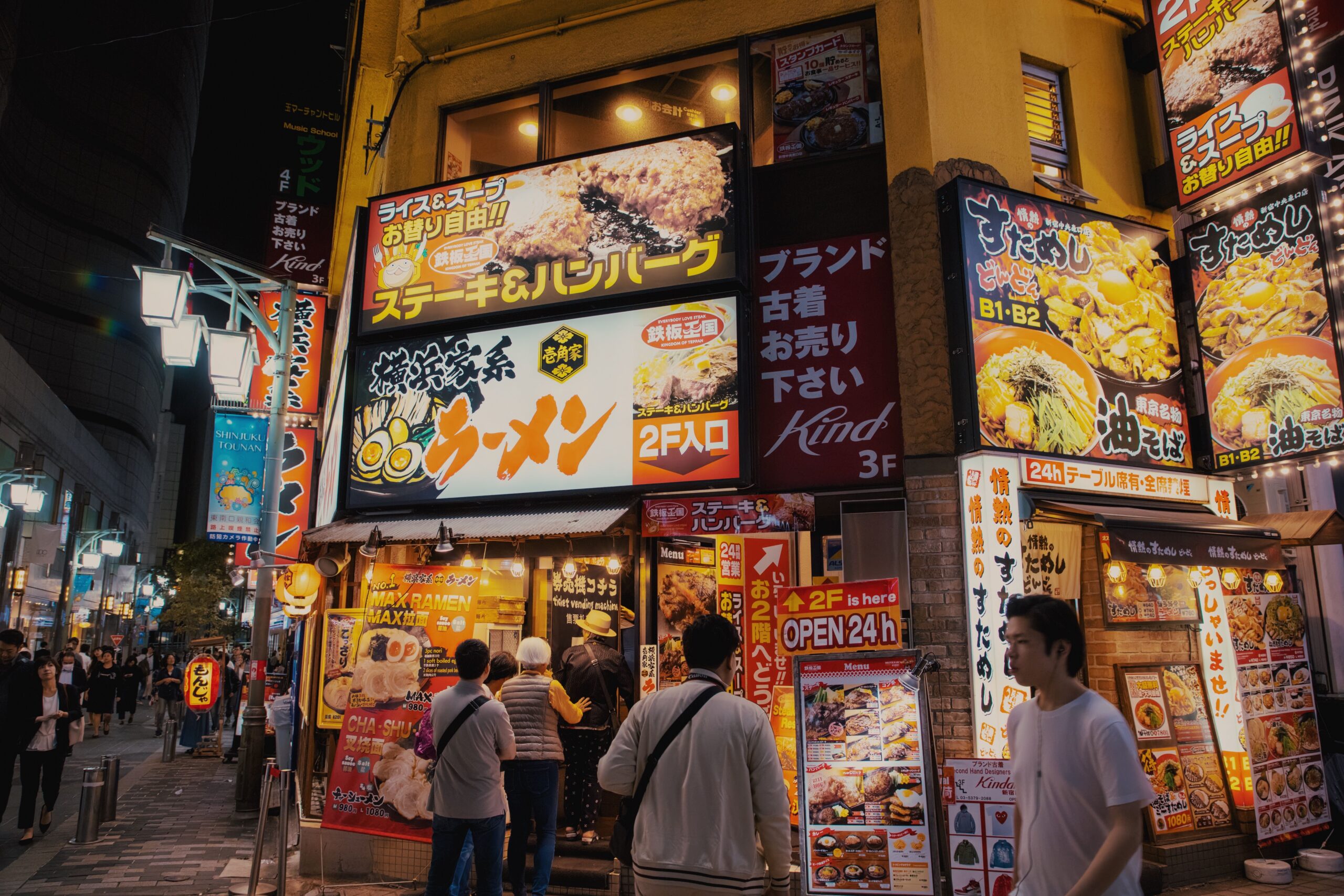
2. FUUNJI (Tsukemen — Dipping Ramen) 2-14-3 Yoyogi, Shibuya Access: Walk from Shinjuku Station south exit, 8 minutes Open: 11am-3pm and 6pm-9pm (closed Sunday evening) Order: the tsukemen — the flat thick noodles served cold alongside the concentrated hot dipping broth. Dip the noodle bundle in the broth, eat. The Fuunji broth is a chicken and dashi base concentrated to a viscosity where it coats the noodles. One of the most celebrated tsukemen counters in Tokyo. Price: 950-1,200 JPY / £5.03-6.36
3. SUSHI SAITO Hamamatsucho area, Minato Note: Covered in the full Tokyo guide. Included here for completeness. Reservation requires Japanese contact or hotel concierge introduction. If accessible: the 12-piece omakase at 33,000 JPY / £174.86 is the reference experience for traditional Tokyo sushi.
4. YOTSUYA SHIORI (Standing Sushi Bar) Yotsuya, Shinjuku Access: JR Sobu Line or Tokyo Metro to Yotsuya Open: 11:30am-2pm and 5pm-10pm Note: The standing sushi bar — the narrow counter, the glass cabinet of the day’s fish displayed in front of the chef, the order by pointing. No reservation, no menu in English, no seats. Two pieces per order, the chef’s recommendation on request. Price: 120-350 JPY / £0.64-1.86 per two pieces
5. ICHIRAN (Solo Ramen) Multiple locations throughout Tokyo Note: The solo ramen restaurant — individual booths divided by wooden partitions, the order form completed before entering, no verbal interaction with staff required. The ramen (the Hakata-style tonkotsu broth, the thin noodles, the customisation form covering the richness, the noodle firmness, the garlic level) is not the finest ramen in Tokyo but the eating experience (designed for solitary consumption without social performance) is the most specifically Japanese. Price: 1,100-1,400 JPY / £5.83-7.42
6. TOYOSU MARKET — SUSHI DAI Toyosu Market Building 6, Koto Access: Yurikamome Line to Shijo-mae Open: 5:30am-2:30pm Note: The sushi restaurant inside the Toyosu market, the fish purchased from the market and served within hours. The queue: 2-4 hours on weekdays, longer on weekends. The queue begins before the market’s public opening time (5am). The 11-piece omakase (9,400 JPY / £49.79) is the reference Toyosu meal.
7. AKIHABARA RAMEN STREET (Generic but Complete) Akihabara area, various Note: For the first-time Tokyo ramen explorer — the concentration of different ramen styles in Akihabara allows comparison across the major variations: the Tokyo shoyu, the Sapporo miso, the Hakata tonkotsu, the shio. Walk the streets around Akihabara station from 11:30am opening and look for the style you want.
8. TEMPURA KONDО (Counter Tempura) 9th floor, Sakaguchi Building, 5-5-13 Ginza, Chuo Access: Tokyo Metro Ginza Line to Ginza Open: 11:30am-2pm (lunch), 5:30pm-10pm (dinner) Price: 12,000-20,000 JPY / £63.60-106 per person for the lunch course Reservation: required at tableall.com, 2-3 weeks ahead Note: Covered in the Japan 10-day itinerary. The reference tempura counter in Tokyo.
9. DEPACHIKA — ISETAN SHINJUKU (B1-B2) 3-14-1 Shinjuku, Shinjuku Access: JR Shinjuku Station east exit, 5 minutes Open: 10:30am-8pm daily Note: The basement food hall of the Isetan department store — the wagyu beef (the grade A5 Kagoshima Wagyu, the fat marbling visible through the glass counter, the purchase triggering a specific recalibration of what beef can taste like), the bento boxes from the specialist section (the seasonal arrangements, the specific Japanese aesthetic of the food presentation applied to a takeaway box), and the wagashi (the Japanese confections from the century-old confectionery houses).
10. NAKAMEGURO CANAL WALK (Evening Food) Nakameguro, Meguro Access: Tokyo Metro Hibiya Line or Tokyu Toyoko Line to Nakameguro Note: The canal walk lined with independent restaurants and coffee shops — the highest concentration of the specific Tokyo aesthetic (the concrete, the minimal signage, the queue at the entrance indicating the correct choice). The canal at 7pm in October, the lights reflecting in the water.
11. KOENJI SHOTENGAI (Local Market Street) Koenji, Suginami Access: JR Chuo Line to Koenji Note: The covered shopping arcade (shotengai) serving the local Koenji neighbourhood — the most accessible working-Tokyo market street for the visitor staying in Shinjuku. The tofu stall, the fishmonger, the pickle specialist, the senbei (rice cracker) shop with the grilling happening in the window.
12. YAKITORI ALLEY (Yurakucho) Under the railway tracks, Yurakucho, Chiyoda Access: JR Yamanote Line to Yurakucho Open: 5pm-midnight approximately Note: The izakaya and yakitori bars built under the Yamanote Line rail viaduct — the trains audible and visible overhead every 3-4 minutes, the charcoal smoke from the yakitori grills, the salary men at the counter at 6pm. The most cinematic version of the Tokyo izakaya culture available without leaving the tourist circuit.
13. GOLDEN GAI (Multiple Tiny Bars) Kabukicho, Shinjuku Access: JR Shinjuku Station east exit, 10 minutes walk Open: 8pm-4am Note: Covered in the Japan 10-day itinerary. The 6 lanes of bars with 2-8 seats each. The Albatross for the first drink (the multilevel bar, English-speaking). Cover charge: 500-1,000 JPY / £2.65-5.30.
14. KANDA YABU SOBA (Historic Soba) 2-10 Kanda Awajicho, Chiyoda Access: Tokyo Metro Marunouchi Line to Awajicho Open: 11:30am-8pm (closed Wednesday) Note: The soba restaurant operating since 1880 — the cold soba (the zaru soba served on a bamboo tray with the dipping sauce, the wasabi, the spring onion) in the preserved Meiji-era building. The soba itself: the handmade buckwheat noodles, the specific Kanda soba tradition. Price: 900-1,400 JPY / £4.77-7.42
15. OMOIDE YOKOCHO (Memory Lane, Shinjuku) 2-chome, Shinjuku Access: JR Shinjuku Station west exit, 2 minutes Open: 5pm-midnight most stalls Note: The narrow alley behind Shinjuku station west exit — the oldest surviving izakaya district in Shinjuku, the smoke from the yakitori grills filling the lane, the 10-seat counters visible through the plastic curtain doors. Not the cheapest or the finest yakitori in Tokyo but the most atmospheric single eating destination in the city.