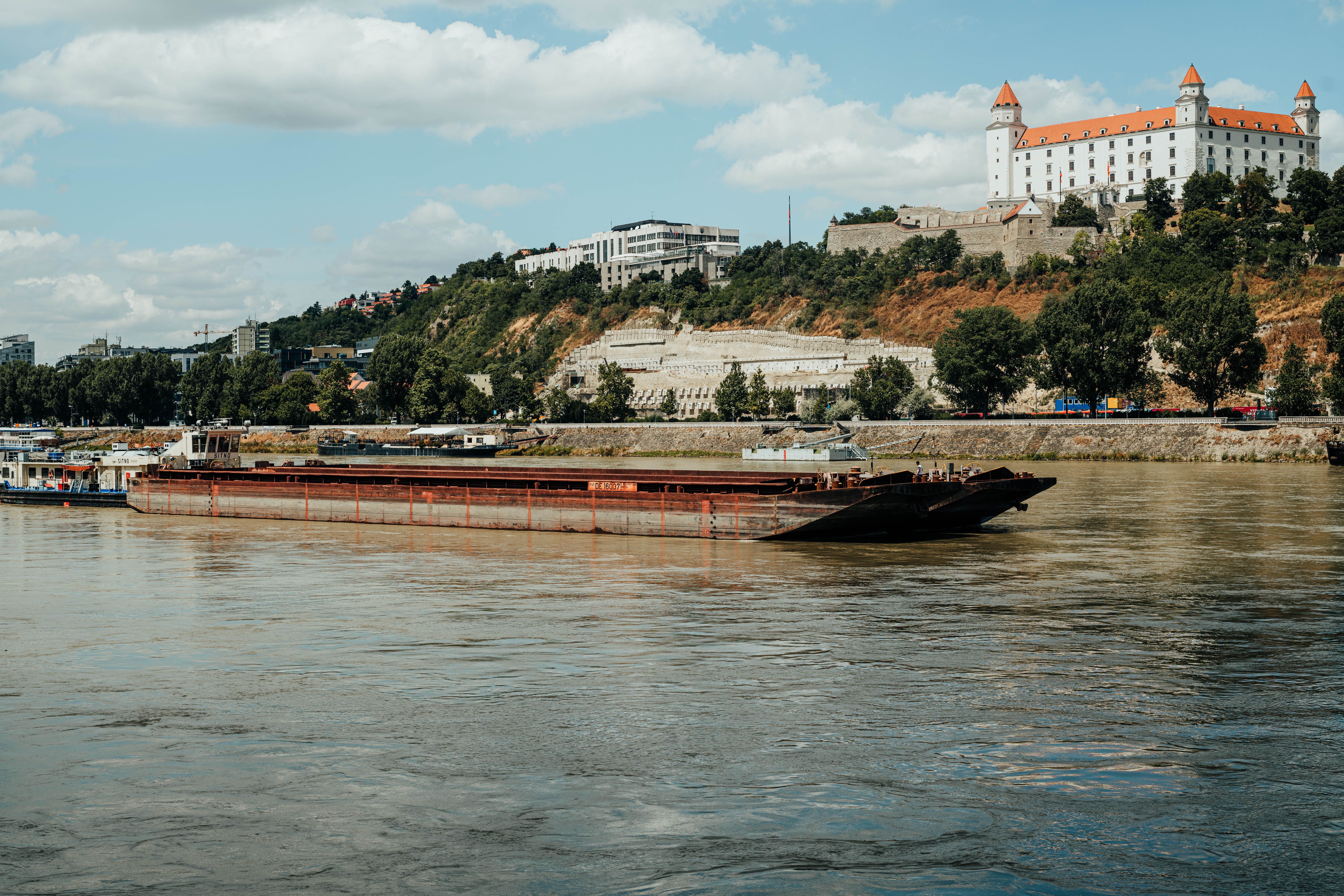
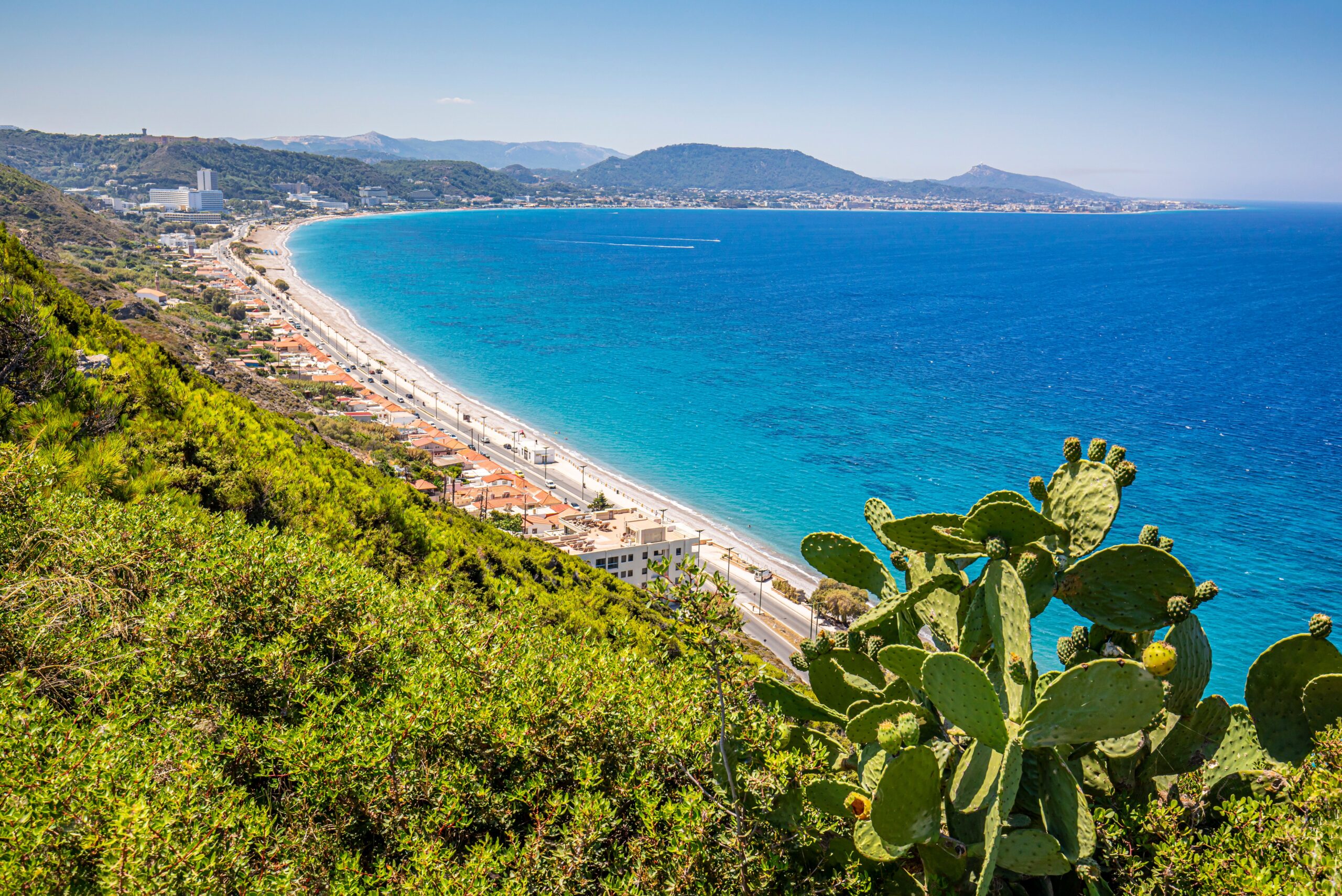

The route that gives Serbia its full argument: three days in Belgrade for the Kalemegdan Fortress at dawn and the Skadarlija bohemian quarter at noon and the specific Belgrade nightlife (the Splavovi — the floating river clubs on the Sava and the Danube, the clubs that operate from midnight to 8am and that the European nightlife press has ranked among the continent’s best since 2010) and the street food of the Zeleni Venac market (the ćevapi, the pljeskavica, the burek at 2am from the 24-hour bakery), two days at Novi Sad for the Petrovaradin Fortress above the Danube and the Muzičke Svečanosti (EXIT Festival in July, the music festival the European festival press consistently ranks in its top 10) and two days in the south for the Đavolja Varoš (“Devil’s Town”) and the Uvac Canyon — the two Serbia landscapes that the travel market has not indexed and that the visitor who arrives at both returns as the evangelist for the specific Serbia that the Belgrade nightlife story obscures.
Reading time: 10 minutes | Last updated: 2026
Before You Leave
Getting there: Fly London-Belgrade (Air Serbia direct, Wizz Air, Ryanair — from £30-80 one way, 3 hours). UK citizens: Serbia visa-free 90 days. Serbia is not Schengen — the separate Serbia entry stamp in the passport.
Currency: Serbian Dinar (RSD). 1 GBP ≈ 147 RSD (2025). Card payments accepted in Belgrade and Novi Sad; cash preferred in rural Serbia.
The value: Serbia is 30-40% cheaper than Hungary and 50-60% cheaper than Prague — the ćevapi at the Kalemegdan café costs RSD 350 / £2.38 for 10 pieces, the craft beer in the Savamala arts district costs RSD 300 / £2.04, the Belgrade hostel dorm bed costs £8-12/night.
The Route
Belgrade (3 nights) → Novi Sad (1 night, 1.5 hours by train) → South Serbia: Đavolja Varoš and Uvac Canyon (2 nights: Novi Pazar base) → return Belgrade, fly home
DAYS 1-3 — Belgrade
Day 1: The Kalemegdan and the Skadarlija
7am — The Kalemegdan Fortress:
The Kalemegdan (the Roman-Byzantine-Ottoman-Habsburg-Serbian fortress on the confluence of the Sava and Danube rivers — 2,000 years of fortress history on the same hilltop, the Roman artefacts in the Military Museum at the base, the Ottoman Clock Tower at the summit, the specific Belgrade morning when the Danube is visible below the fortress walls in the first light):
The fortress park (the city park within the fortress walls — the Belgrade residents visible at the morning exercise, the dog walkers, the specific Belgrade public space that the fortress provides free of charge): free.
The Skadarlija:
The Skadarlija (the cobblestone Bohemian quarter — the 19th-century artists’ and writers’ neighbourhood, the kafana (the traditional Serbian restaurant-café) visible from the street entrance, the tambura music audible from the live music venues from noon):
At noon: the kafana lunch — the prebranac (the white beans baked with the onion and the smoked pork — the specific Serbian winter dish available year-round at the kafana), the šljivovica (the plum brandy, the Serbian national spirit, the correct kafana aperitif): RSD 500-800 / £3.40-5.44 for the full kafana lunch.
Day 2: The Savamala Arts District and the Nikola Tesla Museum
The Nikola Tesla Museum:
The Nikola Tesla Museum (Krunska 51 — the museum in the building where Tesla’s ashes are held in the gold sphere on the first floor, the museum covering the inventor of the AC motor, the radio, and the Tesla coil — the specific Belgrade institution that the science community considers the most important single science museum in the Balkans):
Entry: RSD 800 / £5.44. The Tesla coil demonstration (the staff-operated Tesla coil demonstration showing the 200,000-volt electrical arc): included.
The Savamala:
The Savamala district (the post-industrial waterfront arts quarter — the converted warehouses, the street art, the cocktail bar in the former glass factory, the specific Belgrade cultural regeneration story visible in the physical space):
Day 3: The Splavovi (the optional 2am section)
The Splavovi (the floating river clubs moored on the Sava and Danube — the boat clubs that are the specific Belgrade nightlife institution, operating from midnight to 8am, the music varying by club from the Serbian folk (the turbo-folk) to the electronic to the hip-hop):
The Splavovi at 2am: the specific Belgrade experience that the cultural tourist and the dedicated club-goer both access at the same entry point. RSD 0-500 / £0-3.40 entry depending on the club and the night; drinks at RSD 400-800 / £2.72-5.44.
DAY 4 — Novi Sad
The Petrovaradin Fortress:
The Petrovaradin Fortress (the 18th-century Habsburg fortress on the Danube — the fortress that the Ottoman army failed to take in 1716, the Clock Tower (the clock hands inverted on the deliberate design — the large hand shows the hours, the small hand shows the minutes, the specific Petrovaradin clock tradition explained at the tower entrance)):
The EXIT Festival site (the Petrovaradin Fortress as the EXIT Festival venue in July — the 200,000-person music festival that the European festival media places in its top 10, the fortress stages visible from the walls during festival week): the fortress visit outside festival week gives the architecture; the festival week gives the architecture and the music.
Entry: RSD 300 / £2.04.
DAYS 5-6 — South Serbia
The Đavolja Varoš:
The Đavolja Varoš (“Devil’s Town” — the 202 earth pyramids on the Radan Mountain, 27km from Kuršumlija, the volcanic rock “heads” visible at the top of each pyramid, the pyramids between 2 and 15 metres tall, the geological formation from the volcanic flow covered by the alluvial soil and subsequently eroded by rain to expose the specific earth column protected from the erosion by the harder volcanic rock above):
At 9am (before the guided tours from Belgrade arrive at 11am): the pyramids in the morning light, the two mineral springs at the site base (the Đavolja Voda — Devil’s Water — the stream at the valley floor with the specific mineral content that gives the water the distinct reddish colour):
Entry: RSD 500 / £3.40.
The Uvac Canyon:
The Uvac Special Nature Reserve (the canyon on the Uvac River 30km from Nova Varoš — the meander canyon visible from the viewpoint as the specific enclosed river loop that the drone photograph reproduces and that the boat gives from the water level):
The canyon boat tour (the flat-bottomed boat from the Uvac boat pier — the 2-hour circuit, the canyon walls visible at 200 metres above the boat, the Griffon vulture (Gyps fulvus) colony visible in the cliff face (the colony of 65-70 birds, the largest Griffon vulture population in Serbia)):
Boat tour: RSD 1,000-1,500 / £6.80-10.20 per person.
What It Costs
| Category | Budget | Mid-Range |
|---|---|---|
| Return flights (UK-Belgrade) | £30-80 | £60-160 |
| 6 nights accommodation | £50-150 | £150-420 |
| Food (7 days) | £20-55 | £55-140 |
| Train Belgrade-Novi Sad return | £4 | £4 |
| Car hire (south Serbia, 3 days) | £50-100 | £75-150 |
| Entries and activities | £20-50 | £30-70 |
| Total | £174-435 | £370-944 |
Serbia is the most affordable capital city destination in this guide. The Wizz Air return from £60 and the RSD exchange rate give Belgrade, the Đavolja Varoš, and the Uvac Canyon for under £450 total — the specific argument for the Serbia visit in the year before the price follows the discovery.