


The medical tourism guide that gives the honest assessment of the specific destinations where the medical treatment quality is comparable to the UK standard and the price is 40-90% lower: the Bangkok Bumrungrad Hospital (the international hospital where the hip replacement that costs £12,000-18,000 on the NHS private list costs £5,000-8,000, the cardiologist who trained at Harvard is available on Tuesday, and the waiting list is measured in days rather than months), the Budapest dental tourism (the ceramic crown that costs £800-1,200 per tooth at the Harley Street clinic costs £150-250 at the Dent-Art clinic in the Second District, the EU clinical standard, the same materials, the 3-hour flight from Luton), and the specific medical tourism destinations that the quality evidence supports versus the ones that the price alone suggests. This guide gives the quality evidence.
Reading time: 8 minutes | Last updated: 2026
The Destinations
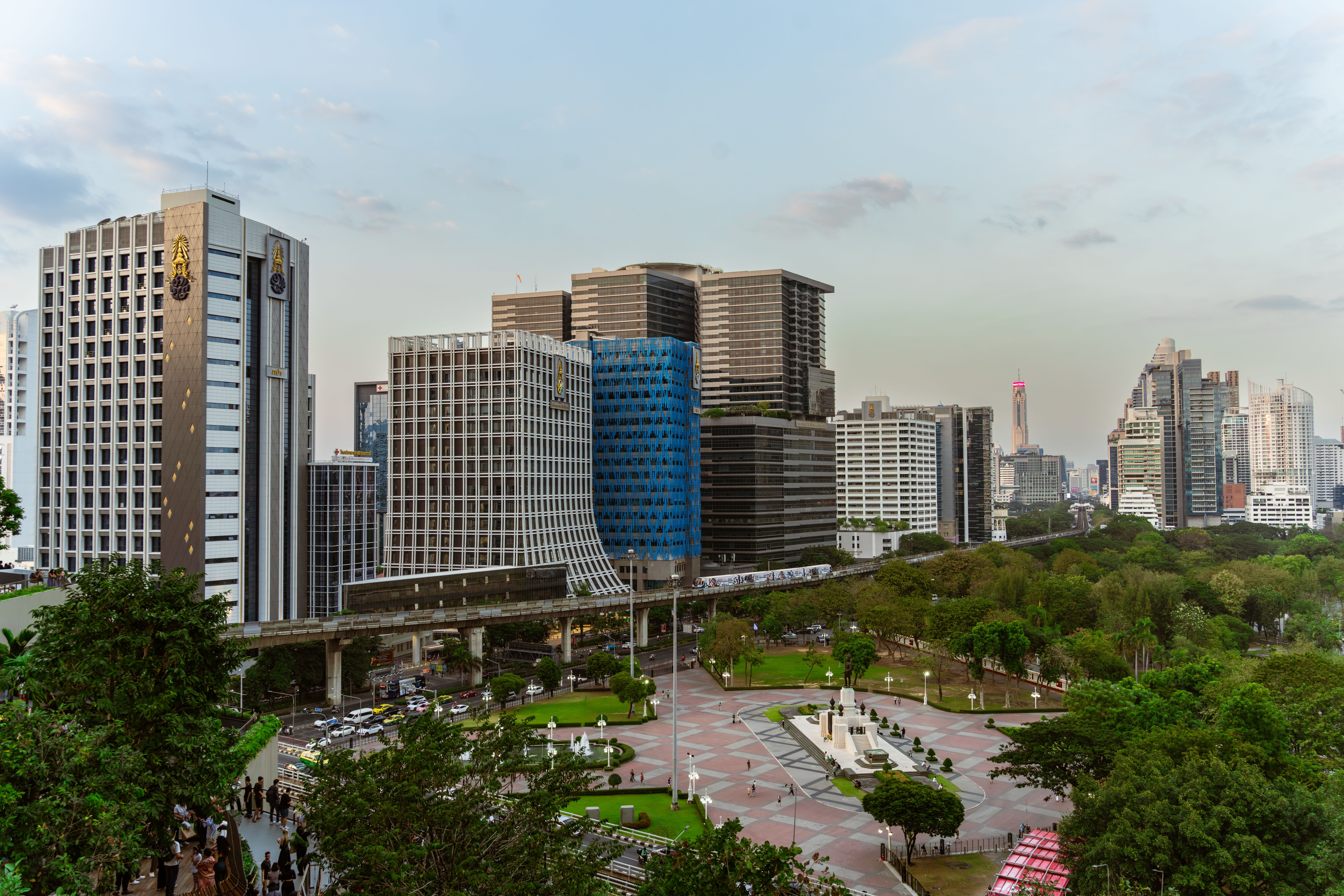
Bangkok — The International Hospital Standard
Bumrungrad International Hospital: The 580-bed international hospital in the Sukhumvit district of Bangkok — the Joint Commission International (JCI) accredited (the US standard for international hospital quality, the same accreditation system that the UK private hospitals seek), the 200,000 international patients per year (the hospital’s patient base is 57% international), the specialist availability across 65 specialties:
The specific procedures that draw UK medical tourists to Bumrungrad:
- Hip and knee replacement: £5,000-8,000 (versus £12,000-20,000 UK private)
- Cardiac bypass surgery: £8,000-15,000 (versus £25,000-40,000 UK private)
- IVF treatment: £2,000-4,000 per cycle (versus £5,000-8,000 UK private)
- Bariatric surgery: £4,000-7,000 (versus £8,000-15,000 UK private)
The quality evidence: The JCI accreditation requires the same patient safety and clinical quality standards as the equivalent accredited US and UK hospitals. The Bumrungrad’s infection control, surgical outcome data, and the patient satisfaction scores are published and comparable to the UK private hospital benchmarks.
Bangkok Hospital: The second major Bangkok international hospital network — 47 facilities across Thailand, the JCI accreditation at the Bangkok Hospital Medical Centre. The specific Bangkok Hospital advantage: wider geographic distribution (the hospital in Phuket, the hospital in Chiang Mai) for the traveller who wants the treatment and the recovery at the destination simultaneously.
Budapest — Dental Tourism
The Budapest dental market: Hungary’s EU membership gives the clinical quality framework (the EU directive 93/16/EEC — the European standards for medical practice apply across the EU including Hungary). The Budapest dental cost is 60-80% lower than the UK equivalent for the same materials and the comparable qualification level.
The specific procedures:
| Procedure | UK Harley Street | Budapest | Saving |
|---|---|---|---|
| Ceramic crown | £800-1,200 | £150-250 | £550-950 |
| Dental implant (implant + crown) | £2,000-3,000 | £600-1,000 | £1,400-2,000 |
| Full porcelain veneers (10 teeth) | £8,000-12,000 | £2,000-4,000 | £6,000-8,000 |
| Teeth whitening | £400-700 | £100-200 | £300-500 |
The specific Budapest dental recommendation: The Dent-Art clinic (Second District), the TreatmentAbroad.com-verified operators, and the clinics with the English-speaking patient coordinator and the before/after portfolio. The virtual consultation (the online X-ray review, the treatment plan, the quote) before booking the flight gives the comparison baseline.
India — The Tertiary Care Alternative
The AIIMS (All India Institute of Medical Sciences) private wards and the Medanta Medical City (Gurugram) and the Apollo Hospital (Chennai, Delhi, Mumbai): the JCI-accredited hospitals giving the tertiary care (the cardiac surgery, the orthopaedics, the oncology) at 70-90% below the equivalent UK private cost.
The specific India medical tourism note: the post-operative recovery period at the India destination requires the specific planning — the recovery apartment or the hospital hotel adjacent to the facility, the aftercare appointment schedule, and the return flight booked no earlier than the surgeon’s recommendation (the flight at 3 weeks post hip replacement is specific to the hip replacement; the international medical tourism coordinator at the facility gives the patient the specific return window).
The Risks
The aftercare gap: The UK GP or specialist who manages the post-operative recovery is unfamiliar with the specific surgical method used by the Bangkok surgeon. The specific solution: the full medical records (the surgical report, the discharge summary, the medication list) in English carried as the physical document and shared with the UK GP on return.
The travel insurance: The standard travel insurance policy excludes treatment costs for the pre-planned medical procedure abroad (the policy that covers the emergency medical treatment does not cover the elective hip replacement). The medical tourism insurance (the Medicover, the HealthCare International) covers the medical tourism patient specifically. The policy covers the complications of the procedure, not the procedure cost itself.