
The shoulder season guide that gives the specific month rather than the vague “avoid peak season” instruction: the Japan cherry blossom is not “spring” — it is the 10-14 day window that moves by latitude (Kyushu in late March, Tokyo in early April, Hokkaido in late April-early May) and by year (the 2024 Tokyo peak was March 31; the 2025 peak was April 5). The Machu Picchu shoulder season is not “outside summer” — it is May and September specifically, the months between the dry season crowds (June-August) and the wet season mud (November-February). The specific month for every major destination in this library, with the specific reason it is better than the peak, is the resource that the travel industry buries because the shoulder season ticket costs 30% less.
Reading time: 10 minutes | Last updated: 2026
The Global Shoulder Season Index
Japan
Peak: Late March-early April (sakura season), July-August (summer), Golden Week (April 29-May 5), New Year.
Best shoulder: May (post-sakura) and October-November (autumn foliage).
May: the hanami crowds gone, the temperatures 15-22°C, the Green Week national holidays (May 3-5) the only crowd event to navigate. The Kyoto in May is the Kyoto that the March visitor paid more for and shared with more people.
October-November: the koyo (autumn foliage) season, the second-most visually specific Japan seasonal event after the sakura. The ryokan prices are comparable to the cherry blossom peak; the crowds are lower. The specific koyo window: Hokkaido mid-October, Nikko late October, Kyoto mid-November.
Avoid: Golden Week (every domestic hotel full, every train packed, every site at maximum capacity). New Year (January 1-3 in Japan is the national rest; most restaurants and many sites are closed).
Southeast Asia (Thailand, Vietnam, Cambodia, Laos)
Peak: December-February (the high season dry period, the European winter escapees, the maximum prices).
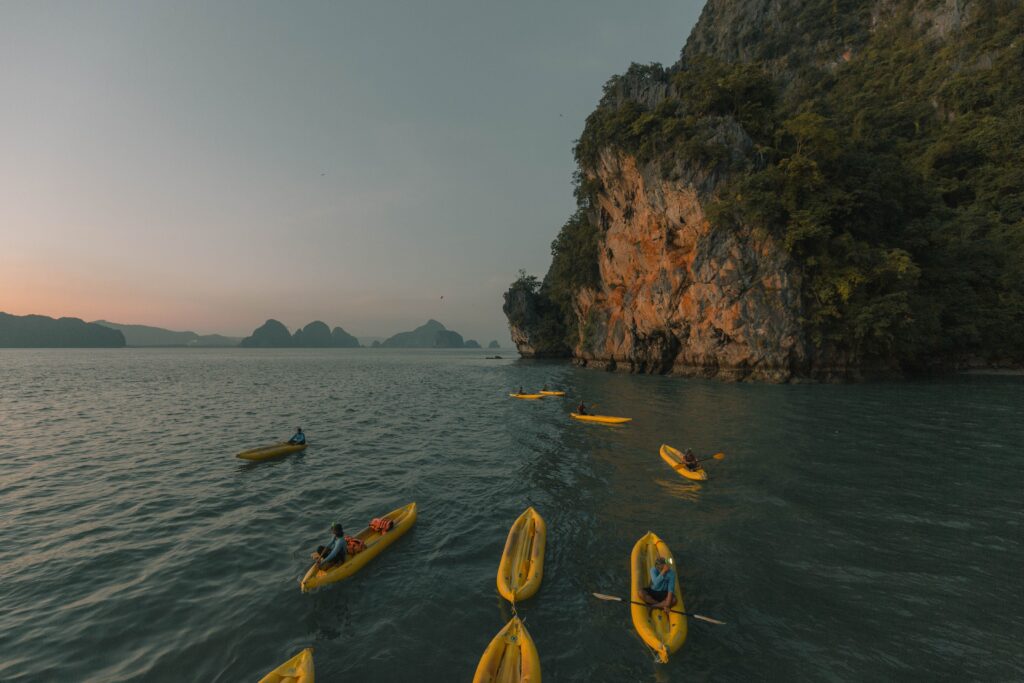
Best shoulder: April-May (the shoulder between the high season and the monsoon, lower prices, manageable heat in the northern regions) and October-November (the end of the rainy season in the north, the beaches of the Gulf of Thailand accessible (the Andaman coast is still wet in October)).
The specific regional distinction:
- The Gulf of Thailand coast (Ko Samui, Ko Phangan, Ko Tao): peak November-May, shoulder September-October.
- The Andaman coast (Phuket, Krabi, Ko Lanta): peak November-April, shoulder May and October.
- Vietnam: the south (HCMC, Mekong, Phú Quốc) is dry November-April; the centre (Hội An, Da Nang) is dry February-August; the north (Hanoi, Ha Long, Sapa) is best March-May and September-November.
Avoid: The Songkran (Thai New Year, April 13-15 — the water festival, domestic tourism at maximum, accommodation prices at peak, the specific Chiang Mai Songkran the most attended single event in Thailand).
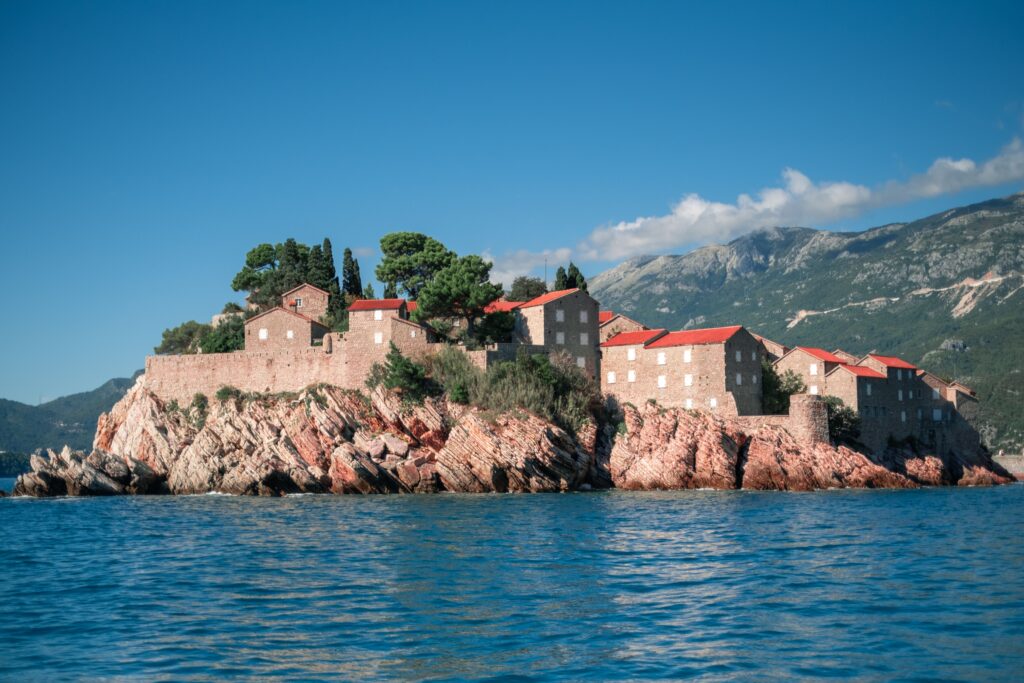
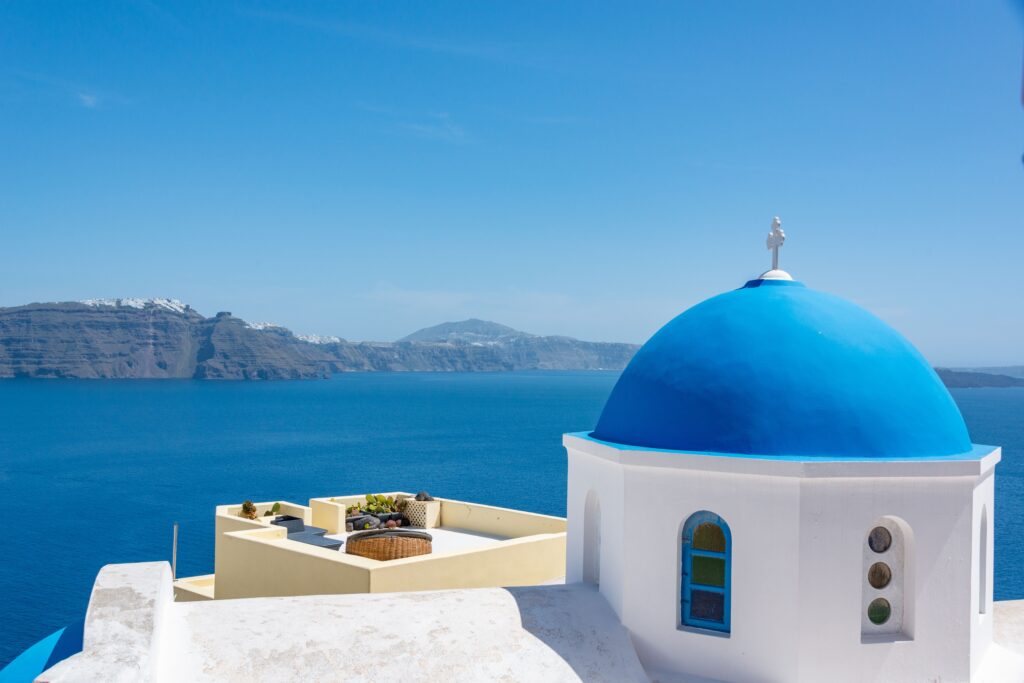
Mediterranean (Italy, Greece, Spain, Croatia, Turkey)
Peak: July-August universally.
Best shoulder: May and September-October.
May: the wildflowers (the Puglia and the Peloponnese in May give the specific wildflower landscape that the August heat has removed), the temperatures 18-24°C (warm without the 35°C August), the crowds at 40% of the July peak.
September: the sea temperature at its warmest (the Mediterranean retains the summer heat through September — Dubrovnik averages 23°C sea temperature in September versus 26°C in August), the crowds dropping from the school return in the first week.
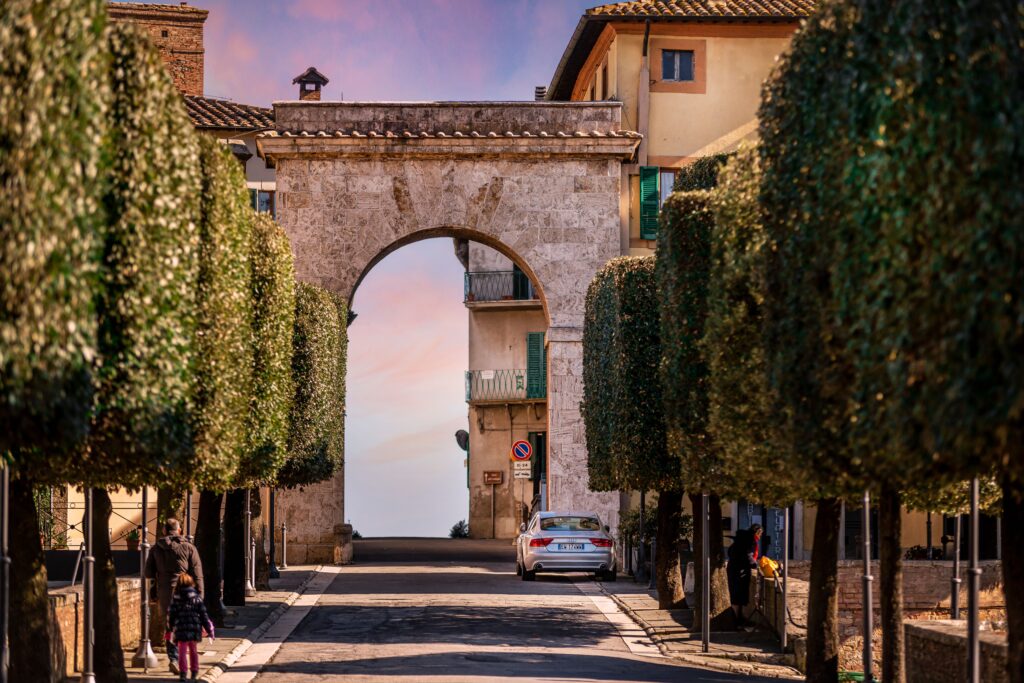
The specific Italy note: The Amalfi coast in May versus July is the difference between the accessible narrow road and the bumper-to-bumper queue. The Cinque Terre in September versus August is the difference between the manageable path and the single-file procession.
India
Peak: October-March (the dry season, the backpacker circuit, the maximum prices in Rajasthan and Kerala).
Best shoulder: September (the post-monsoon, the green Rajasthan before the crowds), March (the final month before the heat).
The specific India note: The monsoon (June-September) is not the “avoid” season that the package holiday brochure presents — the Kerala backwaters in the monsoon are the specific dramatic tropical landscape that the dry season does not give. The Rajasthan in the monsoon is a different Rajasthan but not an inaccessible one.
East Africa (Kenya, Tanzania, Rwanda)
Peak: July-October (the Great Migration in Kenya and Tanzania, the wildebeest river crossing, the maximum safari prices).
Best shoulder: January-March (the short dry season — the green savannah, the newborn animals, the 30-40% lower camp prices than the peak).
The specific January-March value: the Masai Mara in February gives the wildebeest calving season (the 500,000 calves born in a 3-week period, the predator activity at its highest as the abundant prey makes the hunt frequent). This is not the famous river crossing — it is the specific wildlife event that the July-October visitor misses.
Caribbean
Peak: December-April (the dry season, the European and North American winter, the maximum prices).
Best shoulder: May (pre-hurricane, post-peak, 20-30% lower prices, the sea temperature 27-28°C).
Hurricane season note: June 1-November 30 is the official Atlantic hurricane season. The peak hurricane months are August-October. The June and November travel to the Caribbean is statistically lower-risk than September; the May travel is entirely outside the season. The “hurricane season” label covers six months, not all of which carry equal risk.
Machu Picchu specifically
Peak: June-August (the dry season, the maximum crowds, the 2,500 daily visitor cap fully used every day).
Best shoulder: May and September.
May: the final month of the wet season transitioning to the dry — the morning mist gives the specific Machu Picchu atmosphere that the clear-sky June morning does not, and the mist clears by 10am. The permit system means the specific May entry slot is easier to book than the July equivalent.
September: the site at 60% of the August capacity, the mountain visible, the temperature 12-18°C.
The Americas (Peru, Colombia, Bolivia, Argentina, Brazil)
The South America shoulder season is destination-specific within the continent (the size means the seasons are not uniform):
| Destination | Peak | Best Shoulder |
|---|---|---|
| Machu Picchu, Peru | June-August | May, September |
| Salar de Uyuni, Bolivia | May-October (dry) | May, October |
| Rio de Janeiro, Brazil | December-March | May-June |
| Patagonia (Argentina/Chile) | December-February | March-April (autumn colours) |
| Cartagena, Colombia | December-March | May (pre-rain) |