
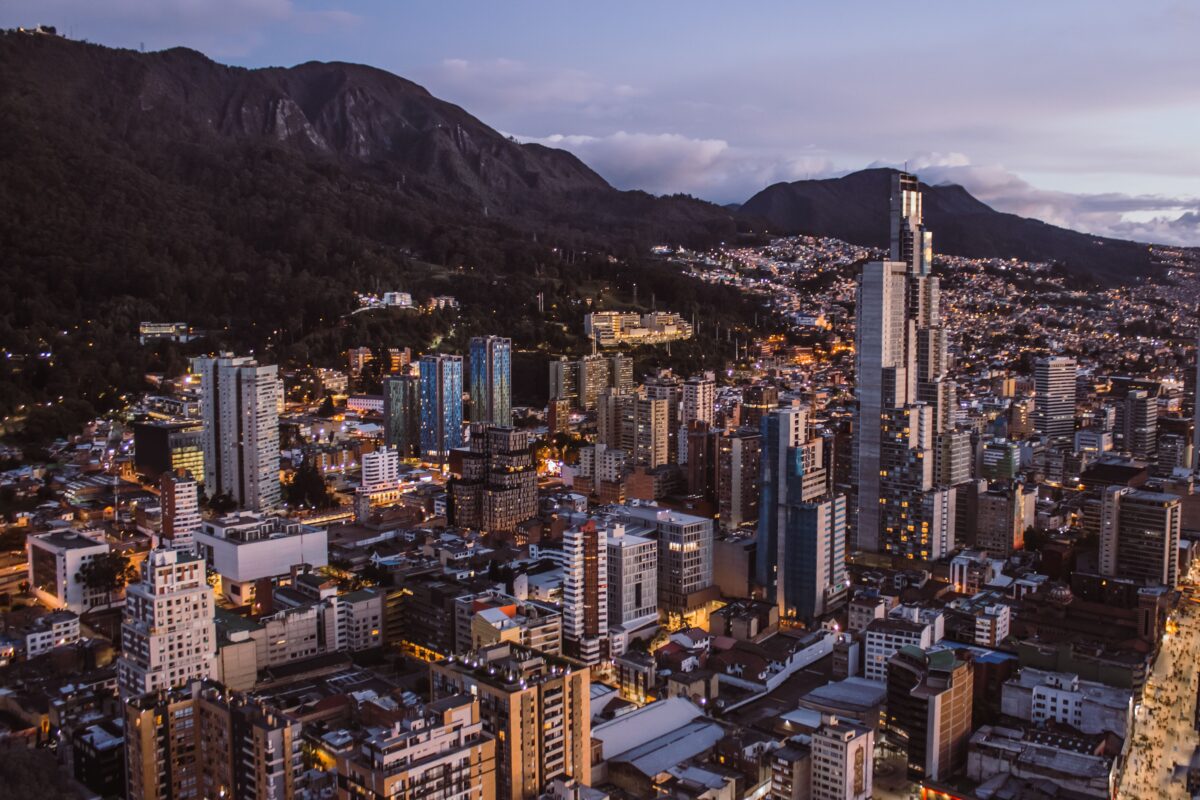
The specific Medellín argument in two days: the city that Pablo Escobar made the most dangerous in the world in 1991 (3,787 homicides in a single year, a murder rate of 380 per 100,000 — the highest ever recorded for a city of Medellín’s size) has become the city that the urban planning community cites as the most significant urban transformation of the 21st century, the city where the cable car to the comunas was not the tourist attraction but the municipal transport that connected the hillside barrios to the city for the first time, and the city where the specific Medellín energy — the paisa pride, the work ethic, the specific Colombian confidence of the place that survived the worst and built the best — is visible in the street before you’ve found the hotel. Two days give the Gold Museum, the comunas, the food market, and the specific Medellín evening. They do not give the full Colombia. They give the reason to come back.
Reading time: 8 minutes | Last updated: 2026
Before You Arrive
Getting there: Fly London-Medellín José María Córdova Airport (via Bogotá, Panama City, or Miami — 13-16 hours total). Or fly to Bogotá and take the 45-minute domestic connection (Avianca or LATAM, COP 150,000-300,000 / £28-56 one way). UK citizens: Colombia visa-free 90 days.
The safety context: Medellín’s homicide rate in 2023 was 18.5 per 100,000 — comparable to many US cities, well below the Bogotá peak of 1991. The tourist circuit (El Poblado, Laureles, the cable car, the Parque Explora area) is the specific Medellín that the visitor accesses. El Centro at night and the specific barrios not in this guide require the local knowledge and the local guide that this guide does not substitute for. Standard urban awareness applies.
Where to stay: El Poblado (the tourist and expat neighbourhood, the restaurant concentration, the 10-minute metro to everything): COP 80,000-200,000 / £15-37/night budget guesthouse, COP 250,000-600,000 / £46-111/night boutique hotel.
DAY 1
6:30am — The Metrocable to Santo Domingo
The Metrocable (Line K):
The Medellín Metrocable (the cable car that the Uribe administration built in 2004 connecting the hillside comunas to the Metro system — the urban intervention that won the 2013 Lee Kuan Yew World City Prize): the cable car from the Acevedo Metro station to the Santo Domingo station, the city visible in the valley below, the comunas visible on the hillside in every direction.
At 6:30am: the cable car at the working hour — the comunas residents visible travelling to work, the specific Medellín morning that the tourist visit at 10am misses.
Metro fare: COP 2,950 / £0.55. The Metrocable uses the same fare.
The Parque Biblioteca España (Santo Domingo):
The España Library (the 2007 Giancarlo Mazzanti library on the Santo Domingo hilltop — the three rock-shaped modules visible from the cable car approach, the library that the neighbourhood built the cable car to serve, the specific urban investment that the Medellín transformation model required):
Free. The specific library instruction: the España Library was built for the community that lives in Santo Domingo, not for the tourist who comes to photograph it. The library is in use. Read the room before taking the photograph.
9am — The Parque de las Esculturas and the Botero Plaza
The Botero Plaza:
The Botero Plaza (the Plaza de las Esculturas, Carrera 52 — the 23 bronze sculptures by Fernando Botero donated to the city in 2000, the specific Medellín public art that the paisa (the Antioquian identity) claims as the local son who gave the city back something extraordinary):
The Mona Lisa (the Botero version — the widened Mona Lisa visible at the plaza’s south end, the specific Botero proportion argument applied to the world’s most famous portrait). The Bird of Peace (the sculpture of the bird destroyed in the 1995 bomb attack by the Castaño cartel left in place, the new Bird of Peace donated by Botero in the same position, the two birds visible together as the specific Medellín historical document):
Free.
12pm — La Galería Café Libro
Lunch at the Café del Teatro Lido (Carrera 43A — the restored 1940s cinema converted to the food hall, the Medellín bandeja paisa (the Antioquian tray: the beans, the rice, the ground beef, the chicharrón, the chorizo, the fried egg, the plantain, the avocado, the arepa — the specific caloric event) at COP 25,000-35,000 / £4.65-6.51):
2pm — The Pablo Escobar Tour (Ethics First)
The Escobar tour:
The Colombia Walks ethical Escobar tour (the tour operated by the Colombia Walks social enterprise, the tour guides from the comunas who lived through the cartel period and whose families were affected — the specific Medellín tour format where the guide’s personal testimony is the content, not the mythology):
The specific tour instruction: the tours that photograph the Escobar graffiti and position the Escobar story as the exotic are the tourism product that the Medellín transformation worked against. The Colombia Walks tour gives the community perspective on what the cartel years actually meant for the people who lived in them — which is the correct perspective for the city that rebuilt itself. COP 80,000-120,000 / £14.88-22.33 per person.
6pm — The Parque El Poblado
The El Poblado evening (the park at the centre of the El Poblado neighbourhood — the specific Medellín social scene at the park from 5pm, the juice vendors, the empanadas, the Medellín families and the expats and the tourists in the same space):
The lulada (the lulo fruit drink — the sour green lulo (Solanum quitoense) blended with the water and the sugar, the specific Colombia juice that the market stalls make freshly): COP 3,000-5,000 / £0.56-0.93.
DAY 2
7am — Mercado del Río
The Mercado del Río (the food market in Laureles, open from 7am — the 30+ food stalls, the pandebono (the cheese bread), the buñuelo (the fried cheese dough), the tinto (the small black coffee, the Colombian morning coffee): COP 1,500 / £0.28 per tinto at the market counter.
10am — The Botanical Garden
The Jardín Botánico Medellín (the 14-hectare botanical garden adjacent to the Parque Explora — the Orquideórama (the wooden lattice canopy structure by Plan B architects, 2006, the structure providing the microclimate for the orchid collection)):
Entry: COP 4,000 / £0.74.
12pm — El Centro and the Palacé Market
El Centro (the historic centre of Medellín — the Parque Berrío (the main square, the Pajarera (the Botero pigeon sculpture), the La Candelaria church)):
The Palacé market (the street market visible from the Parque Berrío — the electronics, the textiles, the aguacate (the Colombian avocado at COP 1,000-2,000 / £0.19-0.37 each for the large variety)):
3pm — The Parque Arví
The Parque Arví (the ecological park above the city — the Metrocable Line L from the Santo Domingo station, the 16-minute additional cable car ride to the 2,500-metre altitude park, the forest visible from the cable car window as the city gives way to the Andes):
Cable car: COP 7,500 / £1.40 return to the Arví station.
The specific Parque Arví instruction: the 16-minute cable car ride above the Medellín cloud line is the specific urban-to-wilderness transition that makes the Arví visit different from the destination. The park itself (the hiking trails, the artisanal market at the cable car station) is pleasant; the journey is extraordinary.
What It Costs (2 Days)
| Category | Budget | Mid-Range |
|---|---|---|
| 2 nights accommodation | £30-75 | £93-222 |
| Food (2 days) | £10-25 | £25-65 |
| Metro + Metrocable | £3-5 | £3-5 |
| Escobar tour | £15-22 | £15-22 |
| Total (excluding flights) | £58-127 | £136-314 |