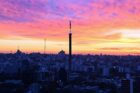
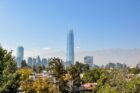

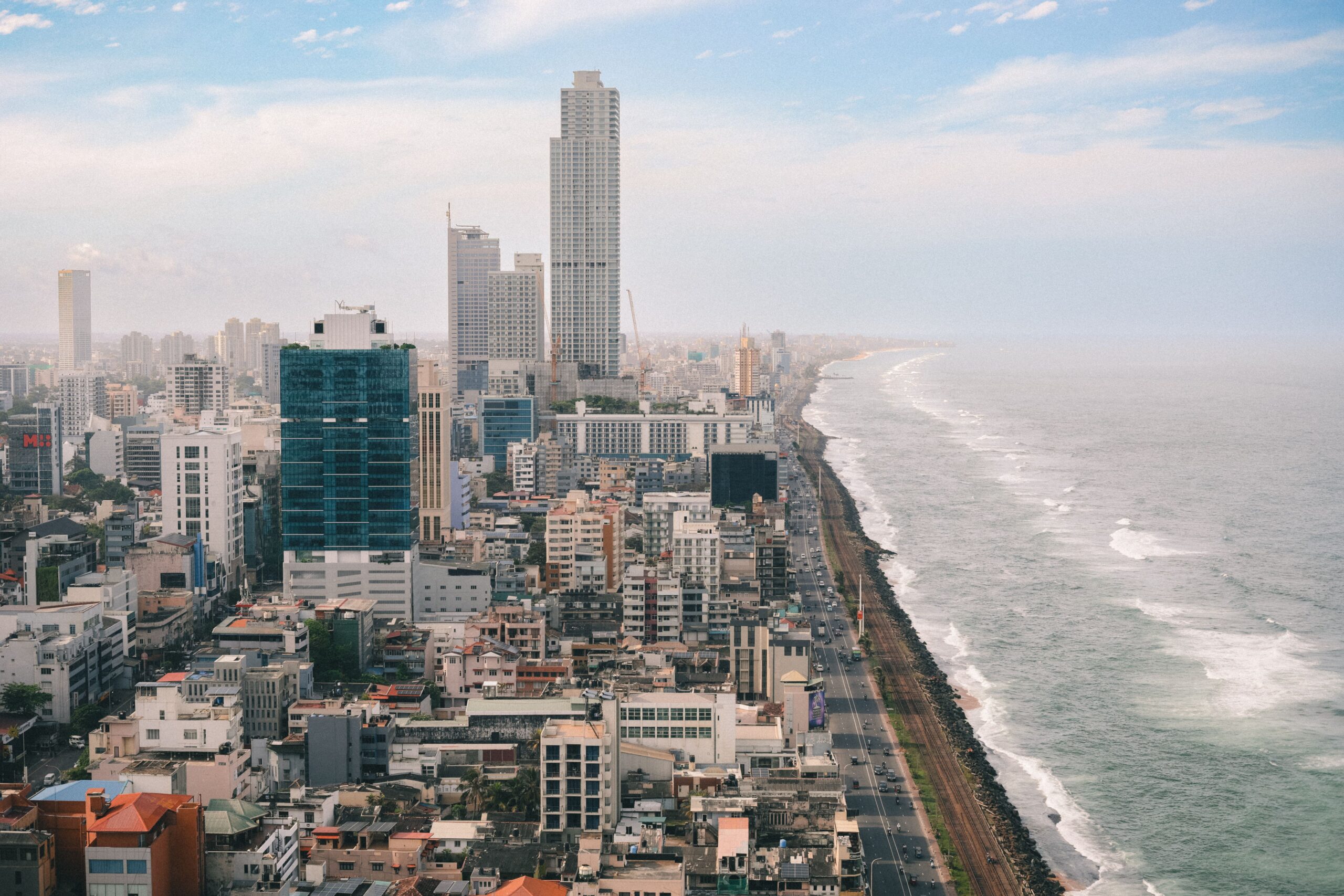
The specific Colombo argument: Sri Lanka’s commercial capital is the city that most visitors fly into and immediately leave for the south coast or Kandy, and the city that the visitor who stops for 48 hours discovers as the specific South Asian coastal city with the Dutch colonial quarter, the Buddhist and Hindu and Muslim and Christian temples visible in the same kilometre, the Pettah market at 8am where the wholesale trade visible from the street gives a specific commercial energy that the Colombo travel article’s photograph of Galle Face Green does not, and the Dutch Hospital shopping precinct at 6pm where the 300-year-old hospital buildings give the specific Colombo evening at the craft beer and the wood-fired pizza that the colonial architecture accidentally provides a backdrop for.
Reading time: 7 minutes | Last updated: 2026
Before You Arrive
Getting there: Fly London-Colombo (SriLankan Airlines direct, 10 hours). UK citizens: Sri Lanka ETA at eta.gov.lk (USD 20 / £15.75, processed within 24 hours).
Currency: Sri Lankan Rupee (LKR). 1 GBP ≈ 380-400 LKR (2025). ATMs widely available; carry LKR cash for the Pettah market.
Where to stay: Fort/Pettah area (the colonial core — the Dutch Hospital, the National Museum within reach): LKR 6,000-12,000 / £15-30/night budget, LKR 15,000-40,000 / £37.50-100/night mid-range. The Cinnamon Red or the OZO Colombo for the mid-range with the pool.
DAY 1
7am — The Pettah Market
The Pettah (the commercial district adjacent to Fort — the wholesale market district visible from the Fort railway station, the specific Colombo morning when the textile, the spice, the electronics, and the produce trades are all operating simultaneously in adjacent streets):
The Pettah at 7am: the spice street (Second Cross Street — the spice wholesalers, the turmeric, the cardamom, the cinnamon (the Ceylon cinnamon, Cinnamomum verum, the true cinnamon as distinct from the cassia — the specific Sri Lanka spice export visible in its country of origin at the wholesale price)). The kottu roti breakfast (the chopped flatbread stir-fried with the egg, the vegetable, the sprats — the specific Sri Lanka street breakfast at LKR 250-400 / £0.63-1).
9am — The Gangaramaya Temple
The Gangaramaya (the eclectic Buddhist temple on the Beira Lake — the temple complex incorporating the Theravada, the Mahayana, and the Vajrayana Buddhist traditions visible in the architecture and the religious objects, the museum within the temple (the antique furniture, the ivory, the currency from 50 countries — the specific collection that the temple’s founding monks accumulated from international donors)):
Entry: LKR 300 / £0.75.
11am — The National Museum
The National Museum of Colombo (the 1877 building on Marcus Fernando Mawatha — the Sri Lanka archaeological collection (the Sigiriya frescoes replicas, the Kandyan regalia, the specific pre-colonial Sri Lanka material culture)):
Entry: LKR 1,000 / £2.50 (foreign visitor rate).
1pm — The Ministry of Crab
The Ministry of Crab (the Dutch Hospital Precinct restaurant — the Sri Lankan lagoon crab cooked in the specific Ministry of Crab style (the garlic chilli, the pepper, the kottambari crab) by Dharshan Munidasa and the two former Sri Lanka cricket captains who co-founded it):
The mud crab (the Scylla serrata — the lagoon mud crab, the 600g-1.5kg serving): LKR 4,500-9,000 / £11.25-22.50. Book at ministryofcrab.com — walk-ins rarely successful.
4pm — Galle Face Green
Galle Face Green (the 5-hectare oceanfront promenade — the Indian Ocean visible to the west, the isso wade (the prawn fritter) vendors visible at the walkway from 4pm, the kite flyers, the specific Colombo social space at the late afternoon):
The isso wade: LKR 150-200 / £0.38-0.50 each. Buy two, eat at the sea wall.
6pm — The Dutch Hospital Precinct
The Dutch Hospital Precinct (the 300-year-old VOC (Dutch East India Company) hospital buildings converted to the restaurant and retail precinct — the specific colonial adaptive reuse visible in the buildings’ original proportions housing the modern café):
The arrack (the Sri Lankan coconut palm toddy spirit — the Ceylon Arrack, the Double Distilled from the Old Reserve barrel, the specific Sri Lanka spirit that the craft cocktail bar in the Dutch Hospital gives at LKR 600-900 / £1.50-2.25 per serving): the most specifically Sri Lankan single drink available in the city.
DAY 2
7am — The Kelaniya Temple
The Kelaniya Raja Maha Vihara (the Buddhist temple 11km from Colombo — the temple that the Mahavamsa (the 6th-century Sri Lanka chronicle) records as the site of the Buddha’s third visit to Sri Lanka, the specific temple with the relic chamber (the dagoba housing the throne on which the Buddha sat) that gives Kelaniya the specific significance in Sri Lanka Buddhism that the Colombo tourist circuit doesn’t include):
At 7am (the morning puja): the monks visible, the oil lamp lit, the specific Buddhist temple morning. Entry: free. Tuk-tuk from Fort: LKR 300-500 / £0.75-1.25.
10am — The Viharamahadevi Park and the Colombo National Museum
The Viharamahadevi Park (the central park — the gold Buddha visible from the park entrance, the park at the morning hour when the Colombo residents use it):
1pm — The Barefoot Garden Café
The Barefoot (704 Galle Road, Colombo 3 — the textile gallery and café, the specific Colombo institution where the Sri Lanka fabric tradition (the hand-loomed cotton, the batik) is visible at the retail level, the garden café giving the Colombo afternoon at the pace that the city does not usually suggest):
The hoppers (the appa — the bowl-shaped fermented rice batter pancake, the egg hopper (the biththara appa) with the coconut sambol, the specific Sri Lanka lunch that the Barefoot gives in the garden setting): LKR 400-700 / £1-1.75.
What It Costs (2 Days)
| Category | Budget | Mid-Range |
|---|---|---|
| Sri Lanka ETA | £16 | £16 |
| 2 nights accommodation | £30-75 | £75-200 |
| Food (2 days) | £10-30 | £30-80 |
| Transport (tuk-tuks) | £5-10 | £5-10 |
| Total (excluding flights) | £61-131 | £126-306 |