
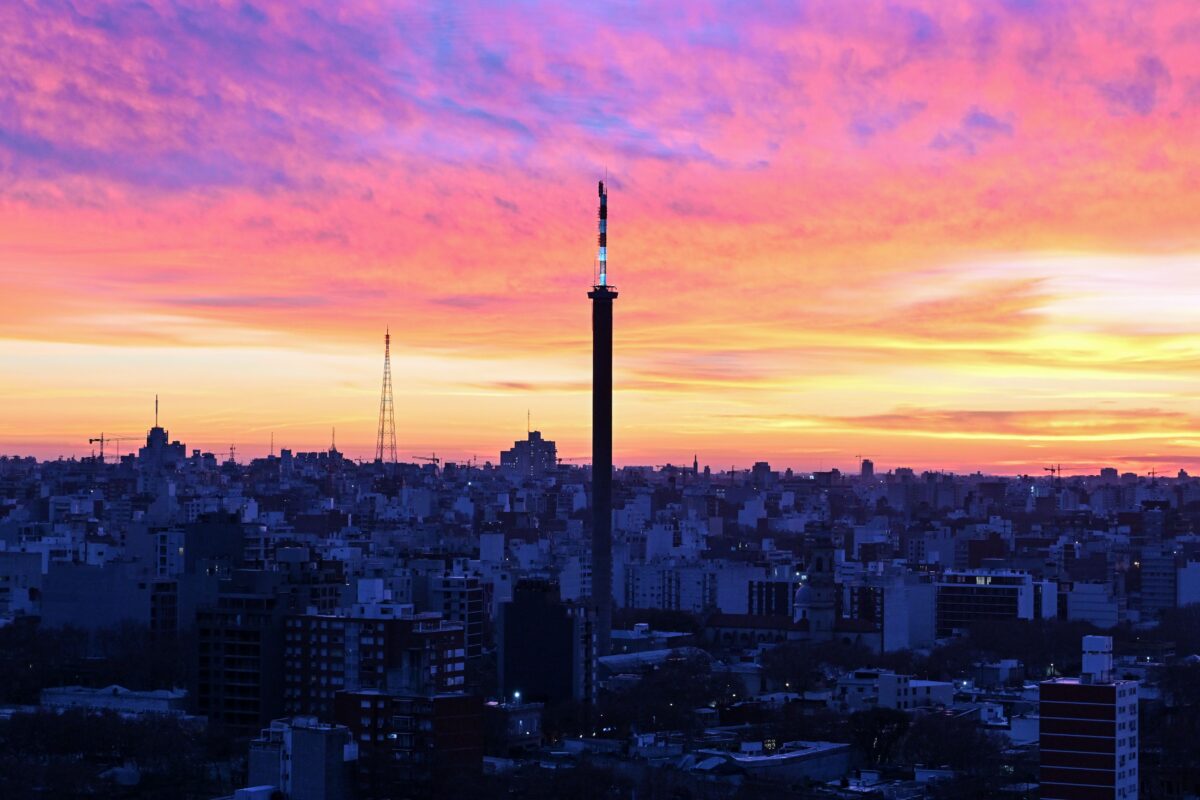
The route that gives Uruguay the standalone treatment the continent’s most overlooked country deserves: two days in Montevideo for the Rambla (the 22km coastal promenade — the longest uninterrupted urban waterfront in the world) and the Mercado del Puerto (the 1868 iron market, the parrilla restaurants, the churrasco that the Uruguayan cattle give at the quality the Argentine marketing claims but the Uruguayan livestock actually delivers) and the Ciudad Vieja (the colonial quarter, the 18th-century street plan, the Teatro Solís that is the specific Montevideo claim on the cultural continent), one day in Colonia del Sacramento (the UNESCO colonial port city — the Portuguese-founded settlement, the cobblestone Barrio Histórico, the lighthouse that gives the Río de la Plata and the Buenos Aires skyline visible simultaneously on the clear day), and four days in Punta del Este and the eastern coast (the Casapueblo (the Carlitos Páez Vilaró-built labyrinthine white house on the Punta Ballena promontory — the specific Uruguayan architecture built by the artist between 1958 and his death in 2014, the building that grew with each visit, the museum now, the sunset that the building faces deliberately), the Cabo Polonio (the remote cape accessible only by 4WD sand track or by the truck-bus conversion — the sea lion colony, the two lighthouses, the village with no electricity grid, and the specific Uruguayan coast that no resort development has reached because the national park designation prevented it)).
Reading time: 10 minutes | Last updated: 2025
Before You Leave
Getting there: Fly London-Montevideo (via Buenos Aires, São Paulo, or Santiago — 16-20 hours total). Or fly to Buenos Aires and take the Buquebus ferry (3 hours, USD 50-90 / £39.37-70.87 one way). UK citizens: Uruguay visa-free 90 days.
Currency: Uruguayan Peso (UYU). 1 GBP ≈ 50 UYU (2025). Uruguay is the most expensive country per capita in South America — mid-range daily budget: UYU 2,500-4,500 / £50-90.
The Route
Montevideo (2 nights) → Colonia del Sacramento (1 night, 2.5 hours by bus) → Punta del Este (2 nights, 2.5 hours from Colonia) → Cabo Polonio (2 nights, 4 hours from Punta del Este)
DAYS 1-2 — Montevideo
Day 1: The Rambla and the Mercado del Puerto
The Rambla at 7am:
The Rambla de Montevideo (the 22km promenade — the Montevideo residents visible at the morning exercise hour, the mate visible in every hand (the thermos under the arm, the gourd in the hand, the cebador (the person who pours) the social identity at the Montevideo morning)):
The mate instruction: the Uruguayan mate is amargo (bitter). Do not ask for sugar unless offered. The stranger who offers you mate on the Rambla is the specific Uruguay welcome gesture — accept it, drink, return the gourd. This is the correct exchange.
The Mercado del Puerto:
The Mercado del Puerto (the 1868 iron market — the parrilla restaurants visible through the cast-iron structure, the charcoal smoke from 11am, the churrasco (the Uruguayan grilled beef cut — the lomo (the sirloin), the vacío (the flank), the entraña (the skirt), each at the specific Uruguay grass-fed cattle quality)):
The specific Uruguay beef note: the country has 3.5 million people and 12 million cattle. The grass-fed, hormone-free Uruguayan beef is the specific product that the world’s high-end restaurants seek and that the Mercado del Puerto gives at the source price (UYU 700-1,200 / £14-24 for the full churrasco with the chimichurri and the papas fritas).
Day 2: The Ciudad Vieja and the Teatro Solís
The Ciudad Vieja:
The Ciudad Vieja (the colonial quarter — the Plaza Independencia (the equestrian monument to General Artigas, the Artigas mausoleum beneath), the Palacio Salvo (the 1928 building that was the tallest in South America at construction — the specific Montevideo architectural claim), the Mercado Agrícola (the 1913 iron market converted to the food hall)):
The Teatro Solís:
The Teatro Solís (the 1856 Italian opera house — the guided tour of the specific Montevideo cultural ambition at the European scale): UYU 300 / £6 per person.
DAY 3 — Colonia del Sacramento
The Barrio Histórico:
The Colonia del Sacramento Barrio Histórico (the UNESCO quarter — the Calle de los Suspiros (the Street of Sighs — the colonial basalt cobblestone street, the 18th-century houses visible on both sides, the specific Colonia image), the Portal de Campo (the city gate), the Faro (the lighthouse built on the ruins of the Convent of San Francisco, the Río de la Plata visible from the top and on a clear day the Buenos Aires skyline 50km away)):
Combined entry to the historic sites: UYU 150 / £3.
The chivito (the Uruguayan national sandwich — the beef fillet, the egg, the ham, the bacon, the mozzarella, the olives, the peppers, the mayonnaise in the bread roll — the specific Uruguayan sandwich that the country considers the complete meal): UYU 350-600 / £7-12 at the Colonia restaurant.
DAYS 4-5 — Punta del Este
The Casapueblo:
The Casapueblo (the Punta Ballena promontory — the labyrinthine white building built by artist Carlos Páez Vilaró as the process rather than the project, the rooms added over 56 years of visits, the museum in the ground floor (the Vilaró paintings), the café at the top (the terrace facing west for the sunset that Vilaró designed the building to face)):
Entry: UYU 400 / £8.
The La Mano sculpture:
The La Mano (Los Dedos — the Mario Irarrázabal sculpture of the hand emerging from the Playa Brava sand, the five fingers visible at the beach, the specific Punta del Este landmark): free.
The Punta del Este beaches: the Playa Mansa (the calm Atlantic side — the swimming beach) and the Playa Brava (the rough Atlantic side — the surf beach, the La Mano visible here, the conditions for the intermediate surfer).
DAYS 6-7 — Cabo Polonio
The Cabo Polonio:
The Cabo Polonio (the remote cape in the Rocha department — the national park, the 4WD truck conversion from the Route 10 car park (UYU 350 / £7 return) through 7km of sand track, the village with no electricity grid connection, the sea lion (Otaria flavescens) colony (approximately 2,000 individuals, the colony visible at the rocks below the lighthouse), the two lighthouses (the 1881 lighthouse, the 1906 lighthouse — both active, the specific Uruguayan coast at the scale that the national park designation froze in 1966)):
The Cabo Polonio accommodation (the solar-powered guesthouses — the posada with the solar panel and the gas stove, the no-wifi, the specific unplugged Uruguay): UYU 1,500-3,000 / £30-60/night.
The sunset at the lighthouse (the lighthouse terrace open to the public at sunset — the Atlantic visible in three directions, the sea lions audible from the rocks below, the specific Cabo Polonio evening): free.
What It Costs
| Category | Budget | Mid-Range |
|---|---|---|
| Return flights (UK-Montevideo) | £400-750 | £600-1,100 |
| 7 nights accommodation | £130-350 | £350-840 |
| Food (7 days) | £50-120 | £120-300 |
| Buses (Montevideo-Colonia-Punta-Cabo Polonio) | £30-55 | £30-55 |
| Casapueblo + Teatro Solís | £14 | £14 |
| Cabo Polonio truck | £7 | £7 |
| Total | £631-1,296 | £1,117-2,316 |