


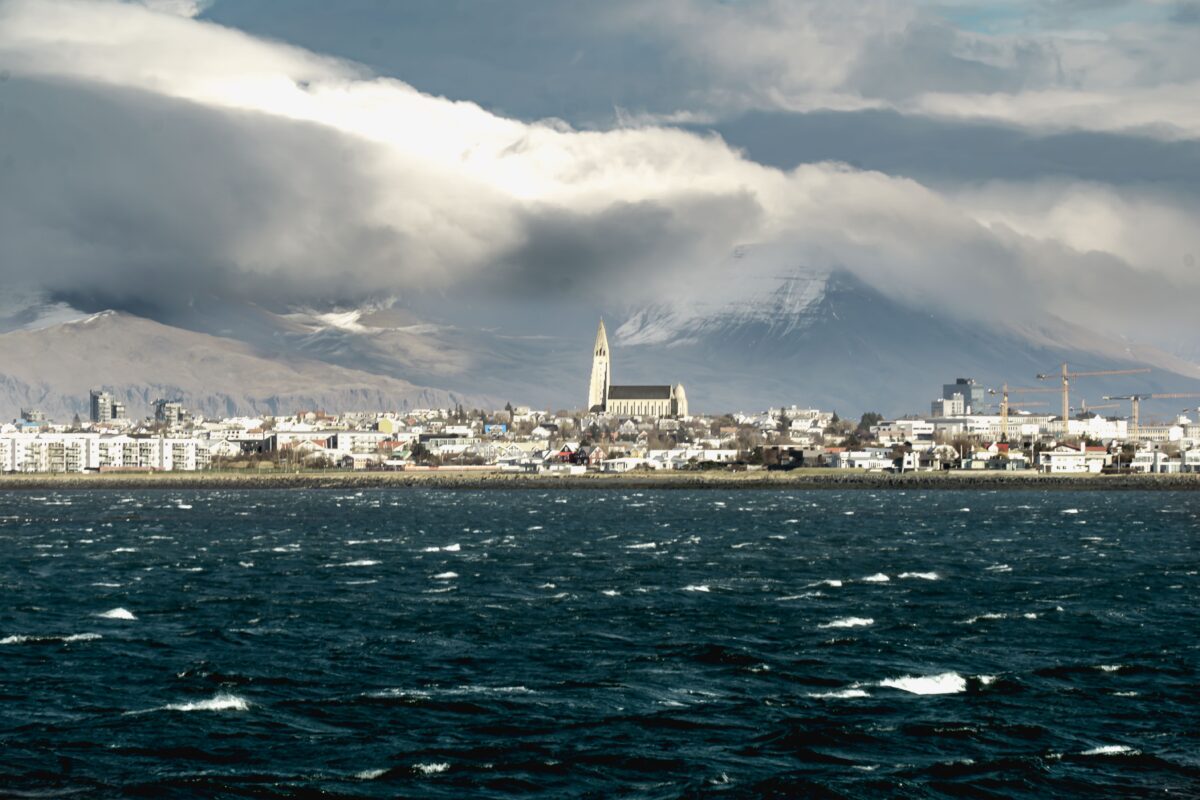
Headlines about Reykjanes eruptions have made some UK travellers nervous about booking Iceland, while others assume the whole country is in constant volcanic chaos. Neither is accurate. This is the honest, current picture of what’s actually happening and whether it changes anything for your trip.
Quick answer: yes, Iceland is still very much worth visiting in 2026. The Reykjanes eruptions are geographically contained to a small area near Grindavík, Keflavík Airport operates normally, and Reykjavík and the rest of the country are entirely unaffected. The main real changes for travellers are price inflation and the Blue Lagoon’s occasional temporary closures, not safety.
The Volcano Situation, Honestly Explained
Since 2021, the Reykjanes Peninsula has seen a series of eruptions, part of a volcanic reawakening after roughly 800 years of dormancy in the area. As of spring 2026, the Icelandic Met Office reports magma building up beneath the Sundhnúkur crater row, with scientists considering another eruption likely in the coming weeks or months, though exact timing genuinely can’t be predicted with precision.
- Geographic scope: the entire active zone sits within a small area of the Reykjanes Peninsula, roughly 50km southwest of Reykjavík, near Grindavík and the Blue Lagoon
- Impact on Reykjavík and the rest of Iceland: none. The capital and the vast majority of the country’s tourist attractions (the Golden Circle, South Coast waterfalls, the Ring Road) are entirely unaffected
- Impact on Keflavík Airport: flights continue to operate normally throughout the eruption cycle, with no general “do not travel” advisory issued for Iceland at any point during this activity
The honest verdict: treat this the way locals do, as a genuinely fascinating natural phenomenon rather than a reason to cancel a trip. Some visitors have even reported seeing eruptions from their plane windows, treated as a highlight rather than a hazard.
What Actually Gets Disrupted
The Blue Lagoon has faced temporary, short-notice closures during active eruption periods specifically, given its proximity to the Sundhnúkur crater row. This is the one genuine practical impact most travellers should plan around.
- Book Blue Lagoon or Sky Lagoon flexibly, ideally with a cancellable or easily rebookable reservation, given the possibility of a short-notice closure
- Sky Lagoon, located near Reykjavík rather than the Reykjanes eruption zone, offers a reliable alternative unaffected by the volcanic activity, making it worth considering as either a backup or primary choice
- Check safetravel.is and en.vedur.is (the Icelandic Met Office) on the morning of any Reykjanes-area activity, since exclusion zones can shift based on overnight seismic data
Sky Lagoon vs Blue Lagoon in 2026
| Factor | Blue Lagoon | Sky Lagoon |
|---|---|---|
| Location | Reykjanes Peninsula, near active eruption zone | Kópavogur, just outside Reykjavík |
| Eruption risk to access | Genuine, has closed temporarily during past activity | None, unaffected by Reykjanes activity |
| Entry price | From ISK 9,990 (£58) | From ISK 8,990 (£52) |
| Signature feature | The original, iconic milky-blue geothermal water | Infinity-edge ocean view, seven-step ritual |
| Distance from Reykjavík | 45 minutes | 15 minutes |
The Price Reality
Iceland has long carried a reputation as one of Europe’s more expensive destinations, and this hasn’t changed in 2026. A modest sit-down dinner for two commonly runs ISK 12,000-18,000 (£70-£105), and a rental car for a week starts around ISK 60,000-90,000 (£350-£525) depending on season and vehicle type.
- Reykjavík accommodation (mid-range, per night): ISK 25,000-40,000 (£145-£235)
- Ring Road self-drive rental car (per week, shoulder season): ISK 60,000-90,000 (£350-£525)
- Golden Circle guided day tour: ISK 15,000-20,000 (£87-£117) per person
The honest verdict on cost: Iceland hasn’t gotten cheaper, and travellers on a tight budget should factor this in regardless of the volcano situation. Self-catering (Iceland’s supermarkets, particularly Bónus, offer significant savings over restaurant dining) and off-season travel (shoulder months rather than peak summer) remain the two most effective ways to manage costs.
Watching the Eruptions Safely, If You Want To
For travellers specifically interested in witnessing the volcanic activity rather than simply avoiding it, several options exist that don’t involve entering any restricted zone. Guided volcano tours and a dedicated volcano shuttle operate from Reykjavík when conditions allow safe access to the hiking trail between recent crater sites, and helicopter tours offer an aerial view of the lava fields regardless of ground access restrictions. When active eruption or exclusion zone conditions rule out closer access, the Volcano Express exhibition at Harpa Concert Hall in central Reykjavík provides live seismic data and eruption footage without any travel or outdoor exposure required, a genuinely solid option for anyone wanting to engage with the phenomenon without the uncertainty of a live-access trip.
Step-by-Step: Planning an Iceland Trip in 2026
- Check current Reykjanes status via safetravel.is before finalising Blue Lagoon plans specifically, since this is the one attraction genuinely affected by the ongoing activity.
- Consider Sky Lagoon as either a primary choice or backup, given its immunity to the Reykjanes closures affecting the Blue Lagoon.
- Book a rental car well in advance for Ring Road self-drive trips, since availability and pricing both tighten considerably during peak summer months.
- Self-cater at least some meals via Bónus or Krónan supermarkets to meaningfully offset Iceland’s high restaurant dining costs.
- Travel shoulder season (May, September) for the best balance of weather, daylight hours, and lower pricing compared to the July-August peak.
Frequently Asked Questions
Is it safe to fly to Iceland during the current volcanic activity?
Yes. Keflavík Airport has operated normally throughout the entire Reykjanes eruption cycle since 2021, with no disruption to flight schedules from the volcanic activity.
Will the Blue Lagoon definitely be open during my visit?
Not guaranteed, given its proximity to the active eruption zone. Book with flexibility in mind, and check current status close to your visit date via the Blue Lagoon’s own website or safetravel.is.
Is the volcanic activity visible from Reykjavík?
Not directly under normal conditions, though occasional glow or ash haze has been reported depending on wind direction and eruption intensity. The activity itself remains contained to the Reykjanes Peninsula, well outside the capital.
Has tourism to Iceland dropped because of the eruptions?
No, tourism has remained largely steady, with 2025 visitor numbers close to pre-eruption levels according to industry reporting, suggesting the volcanic activity hasn’t meaningfully deterred travellers once they understand its actual geographic scope.
Should I buy travel insurance that specifically covers volcanic disruption?
Worth checking, though standard travel insurance policies generally cover flight cancellations regardless of cause, including volcanic ash-related disruption. Given Keflavík’s consistent normal operation throughout the current eruption cycle, this hasn’t been a practical issue so far, but confirming policy wording remains sensible due diligence for any Iceland trip.
Are Golden Circle and South Coast tours affected by the Reykjanes activity?
No, these popular tour routes sit well outside the affected zone and continue operating on normal schedules throughout the current eruption cycle, with no disruption reported to date.
Iceland 2026 Verdict
Iceland remains genuinely worth visiting in 2026, with the ongoing Reykjanes volcanic activity posing no risk to the vast majority of a typical trip. The real planning considerations are Iceland’s consistently high costs and the Blue Lagoon’s occasional short-notice closures, both manageable with a bit of flexibility, rather than any reason to reconsider the trip itself.