


Kyoto’s temples now see queues that didn’t exist a decade ago, with some sites reporting overtourism pressures serious enough to prompt local restrictions. Kanazawa, two and a half hours away by bullet train, offers the same Edo-period atmosphere, geisha districts, and traditional gardens, at a fraction of the visitor volume.
Short answer: swap Kyoto for Kanazawa if the priority is experiencing traditional Japanese architecture and geisha culture without the crowds. Keep Kyoto on the itinerary if visiting Japan’s most famous specific sites (Fushimi Inari’s thousand torii gates, Kinkaku-ji) is the non-negotiable goal, since Kanazawa doesn’t have direct equivalents to these exact landmarks.
Kyoto vs Kanazawa: Head-to-Head
| Factor | Kyoto | Kanazawa |
|---|---|---|
| Annual visitors | Over 50 million | Roughly 8-9 million |
| Access from Tokyo | 2h 15m by Shinkansen | 2h 30m by Shinkansen (Hokuriku line) |
| Geisha district | Gion, increasingly restricted due to overtourism | Higashi Chaya, open and welcoming |
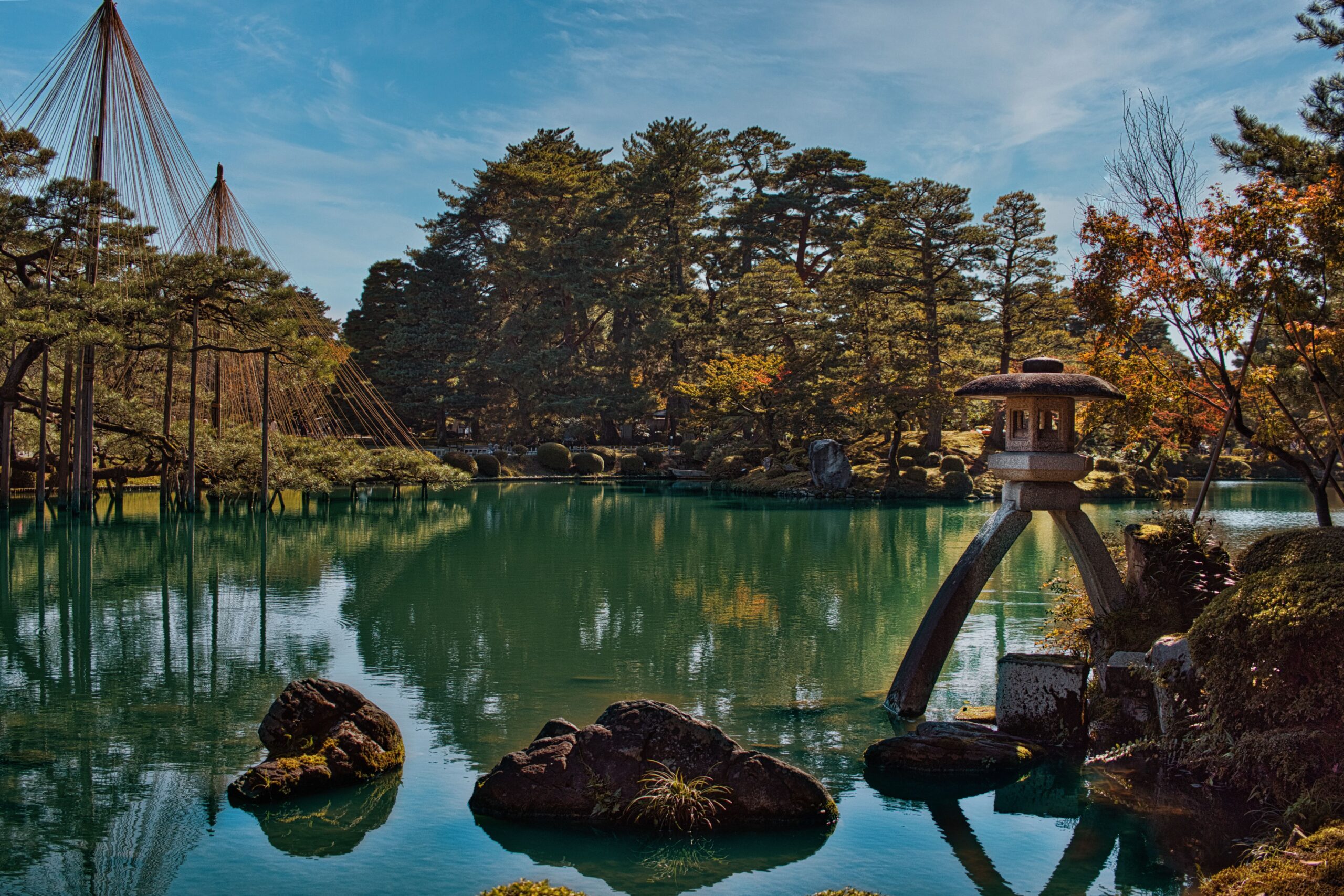
| Signature garden | Various temple gardens, often crowded | Kenroku-en, one of Japan’s three most celebrated gardens |
| War damage history | Largely spared but heavily rebuilt/commercialised | Spared bombing entirely, genuinely original Edo-era streets |
| Accommodation (mid-range, per night) | £120-£220 | £70-£130 |
What Kanazawa Actually Offers
Kanazawa avoided the bombing raids that devastated much of Japan’s other historic cities during the Second World War, leaving its samurai and geisha districts genuinely intact rather than reconstructed, a distinction that matters more than it might initially seem when comparing “historic” districts across Japan.
- Kenroku-en Garden: consistently ranked among Japan’s three most celebrated gardens alongside Kairaku-en and Koraku-en, with a fraction of the visitor density seen at Kyoto’s most popular temple gardens
- Higashi Chaya geisha district: free to walk, former teahouses now operating as shops and cafes, genuinely walkable without the restricted-access signage now common in parts of Kyoto’s Gion
- Nagamachi samurai district: preserved earthen walls and canal-lined streets, offering the same atmosphere as Kyoto’s historic districts without the tour group density
- Omicho Market: Kanazawa’s famous fresh seafood market, given the city’s position on the Sea of Japan, genuinely exceptional for sushi and seafood at a fraction of Kyoto’s tourist-area restaurant prices
Why Kyoto Still Wins for Specific Landmarks
Fushimi Inari’s thousand vermillion torii gates and Kinkaku-ji’s gold-leaf pavilion are genuinely unique, single-location landmarks without direct equivalents anywhere else in Japan. Kanazawa’s strength lies in its overall preserved atmosphere and lower crowd density rather than any single iconic structure matching these specific sites’ individual fame.
The honest verdict: for a first-time Japan visit specifically built around ticking off the most famous individual landmarks, Kyoto remains necessary. For a second visit, or a first visit prioritising atmosphere and crowd avoidance over specific bucket-list photographs, Kanazawa delivers a genuinely comparable experience with dramatically better conditions.
What Overtourism Actually Looks Like in Kyoto Now
Parts of Gion have introduced restrictions on tourist access to certain private alleyways following resident complaints about disruptive photography and crowding, a genuinely unusual step for a destination to take against its own visitors. Popular temples routinely see queue times exceeding an hour during peak seasons, and local transport, buses in particular, can become genuinely difficult to use for residents during the busiest weeks of cherry blossom and autumn foliage season. This context matters for understanding why Kanazawa’s comparative calm isn’t simply about visitor numbers on paper, but reflects a structurally different experience of moving through the city day to day.
Kanazawa’s Food Scene: An Underrated Draw in Its Own Right
Beyond the historic districts, Kanazawa’s position on the Sea of Japan gives it access to some of the country’s best seafood, a genuine point of local pride that shapes the entire dining scene around Omicho Market and beyond. Kaiten sushi (conveyor belt sushi) in Kanazawa is consistently rated among the best in Japan by domestic food critics, using local catch rather than the more standardised supply chains common in bigger cities, at prices noticeably lower than equivalent quality in Tokyo or Kyoto’s tourist-dense dining areas.
What a Few Days Actually Costs
| Category | Kyoto (3 nights, per person) | Kanazawa (3 nights, per person) |
|---|---|---|
| Accommodation (split two ways) | £180-£330 | £105-£195 |
| Food | £75-£110 | £70-£100 |
| Activities/entry fees | £20-£40 | £15-£30 |
| Total | £275-£480 | £190-£325 |
Kanazawa runs roughly 30-35% cheaper, driven primarily by lower accommodation costs given its lower overall tourist demand relative to available rooms.
Photography Without the Crowd Battle
Kyoto’s most photographed spots, Fushimi Inari’s torii gate tunnel and the bamboo grove at Arashiyama in particular, now require genuine strategy to shoot without dozens of other visitors in frame, with early-morning arrivals becoming standard practice rather than a niche tip. Kenroku-en’s most striking viewpoints, by contrast, rarely involve the same scramble for a clean shot, simply because Kanazawa’s overall visitor density is a fraction of Kyoto’s, spreading photographers out rather than concentrating them at the same few famous angles.
Step-by-Step: Adding Kanazawa to a Japan Itinerary
- Route Kanazawa between Tokyo and Kyoto rather than as a separate side trip. The Hokuriku Shinkansen connects Tokyo to Kanazawa directly in 2.5 hours, and onward rail connections to Kyoto or Osaka are straightforward from there.
- Visit Kenroku-en at opening (as early as 7am in summer) to experience it genuinely uncrowded, since even Kanazawa’s lower overall visitor numbers concentrate around this specific garden during standard daytime hours.
- Add a day trip to Shirakawa-go from Kanazawa if time allows, since the UNESCO-listed thatched-roof village sits within an easy bus connection and pairs naturally with a Kanazawa base.
- Book Higashi Chaya district accommodation for the most atmospheric base, staying within walking distance of the former teahouses now converted to guesthouses and cafes.
- Try Kanazawa’s regional specialty, Hida beef and fresh Sea of Japan seafood, both genuinely standout compared to broadly similar dishes available in more tourist-dense cities.
Frequently Asked Questions
Is Kanazawa as impressive as Kyoto for a first-time Japan visitor?
Genuinely comparable in atmosphere, though Kyoto retains specific landmark advantages (Fushimi Inari, Kinkaku-ji) that Kanazawa doesn’t directly replicate. Many travellers find combining both, rather than choosing one exclusively, delivers the strongest overall Japan itinerary.
How do you get from Tokyo to Kanazawa?
The Hokuriku Shinkansen connects Tokyo directly to Kanazawa in approximately 2 hours 30 minutes, a comfortable and scenic journey requiring no transfers.
Is Kanazawa’s geisha district as authentic as Kyoto’s Gion?
Yes, arguably more accessible given lower overtourism pressure. Kanazawa’s Higashi Chaya district operates with fewer visitor restrictions than parts of Gion, which has introduced access limitations in response to overtourism-related complaints from residents.
What is the best time of year to visit Kanazawa?
Spring (April) for cherry blossoms at Kenroku-en, and autumn (November) for foliage, both offer the strongest visual experience, similar to the seasonal patterns that drive Kyoto’s own peak crowding.
Does Kanazawa have anything comparable to a full day of temple-hopping like Kyoto?
Not to the same density, since Kanazawa’s historic character centres more on its gardens, samurai district, and geisha quarter than a concentration of major individual temples. Travellers wanting a genuine temple-focused day are better served adding a Kyoto stop, even a short one, alongside Kanazawa rather than treating Kanazawa as a full substitute for that specific experience.
Is Kanazawa expensive compared to Kyoto?
No, noticeably cheaper across accommodation, food, and activities, reflecting its lower overall tourist demand relative to Kyoto’s globally recognised status. This makes Kanazawa a strong value addition for travellers looking to offset Kyoto’s higher costs elsewhere in a Japan itinerary.
The Bottom Line
Kanazawa delivers Kyoto’s traditional atmosphere, geisha culture, and garden beauty, without the overtourism pressure that increasingly defines a Kyoto visit. The trade-off is accepting that Kanazawa doesn’t replicate Kyoto’s most famous individual landmarks, making the ideal Japan itinerary one that combines both rather than choosing exclusively.