

The Algarve’s decades of package-tourism development have built a genuinely comprehensive resort infrastructure, but this same development has also pushed prices up and reshaped much of the coastline around large-scale hotels and golf resorts. The Alentejo coast, immediately north, offers genuinely wilder beaches and authentic Portuguese fishing villages at a fraction of the cost.
Quick answer: swap the Algarve for the Alentejo coast if the priority is genuine, undeveloped Portuguese coastline and lower costs over established resort infrastructure. Keep the Algarve on the itinerary if its specific golf resorts, nightlife, and comprehensive tourist infrastructure are the non-negotiable draw, since the Alentejo’s more rustic character doesn’t replicate that particular convenience.
The Algarve vs Alentejo Coast: Head-to-Head
| Factor | The Algarve | Alentejo Coast |
|---|---|---|
| Development level | Heavy, extensive resort infrastructure | Deliberately limited, genuine fishing villages |
| Accommodation (mid-range, per night) | €90-€180 (£77.15-£154.30) | €50-€100 (£42.90-£85.70) |
| Beach character | Developed, beach clubs and facilities | Wild, undeveloped, dramatic cliffs |
| Nightlife | Extensive | Minimal, genuinely local |
| Golf and resort amenities | Extensive | Essentially none |
What the Alentejo Coast Actually Offers
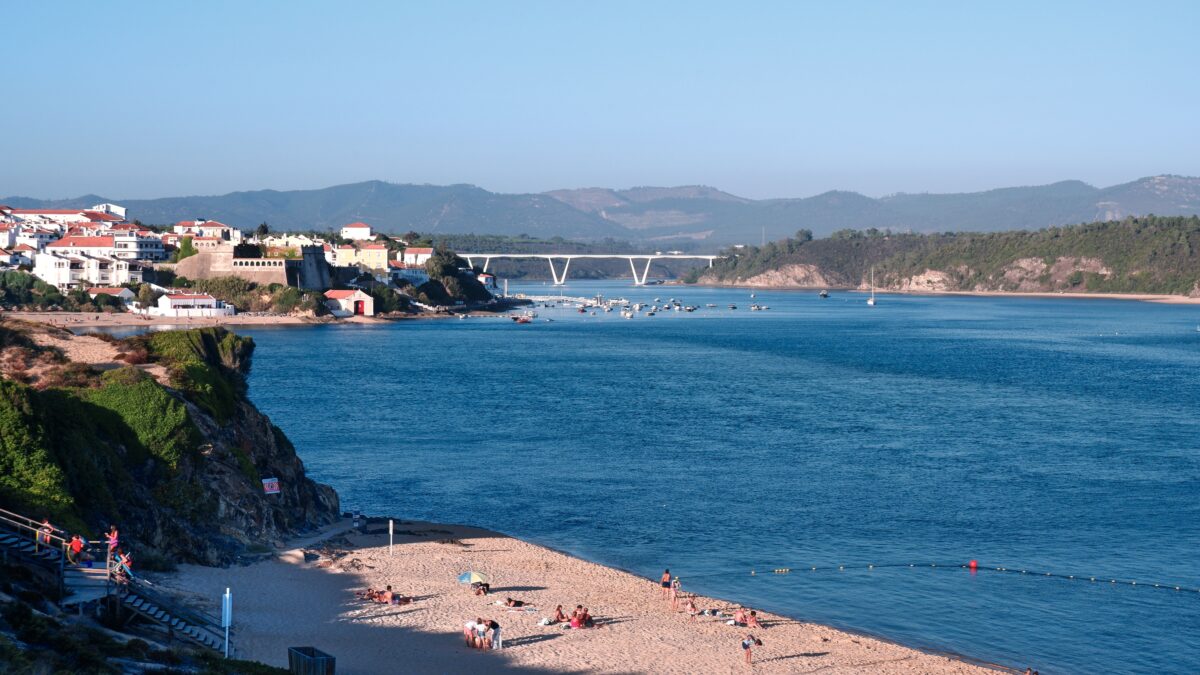
The Alentejo coast, part of the Rota Vicentina hiking region, retains a genuinely undeveloped character reflecting Portugal’s historically less commercially exploited southwestern coastline.
- Porto Covo: a small, genuinely low-key fishing village serving as the northern starting point for the Fisherman’s Trail, offering a stark contrast to the Algarve’s more built-up equivalents
- Zambujeira do Mar: dramatic clifftop scenery and a genuinely undeveloped beach, with a small village retaining strong local character rather than tourist-facing infrastructure
- Vila Nova de Milfontes: the region’s largest coastal town, still considerably smaller and less developed than any comparable Algarve resort town, with a genuine river estuary setting
- Wild swimming and surfing: the Alentejo’s Atlantic-facing coastline offers genuinely strong surf conditions and undeveloped beach access, appealing to travellers wanting a rawer coastal experience than the Algarve’s more managed beach clubs
Why the Algarve Still Wins for Specific Things
The Algarve’s decades of resort development have built genuinely comprehensive infrastructure, golf courses, water parks, extensive nightlife, and family-focused resort amenities that the Alentejo simply doesn’t have. For travellers specifically wanting golf, established nightlife, or a resort-style holiday with extensive on-site amenities, that requires the Algarve.
The honest verdict: if golf, nightlife, or comprehensive resort infrastructure are the trip’s purpose, that requires the Algarve despite its higher costs. For travellers wanting genuine, undeveloped Portuguese coastline, wild beaches, and considerably lower costs, the Alentejo delivers a meaningfully different, more authentic experience.
What a Week Actually Costs
| Category | The Algarve (per person) | Alentejo Coast (per person) |
|---|---|---|
| Accommodation (6 nights, split two ways) | £231-£462 | £128.70-£257 |
| Food | £150-£230 | £110-£170 |
| Activities/car hire | £60-£120 | £40-£80 |
| Total (excluding flights) | £441-£812 | £278.70-£507 |
The Alentejo runs roughly 35-40% cheaper than the Algarve, a meaningful gap for a genuinely comparable Portuguese coastal week.
Step-by-Step: Planning an Alentejo Coast Trip
- Fly into Lisbon rather than Faro, since the Alentejo coast sits closer to Lisbon (roughly 2-2.5 hours by car) than to the Algarve’s main airport.
- Rent a car for the full week, since the Alentejo’s smaller villages and undeveloped beaches, like most of this coastline, benefit significantly from independent transport.
- Book accommodation ahead in the smaller villages, since Porto Covo and Zambujeira do Mar have genuinely limited room capacity relative to the region’s growing popularity.
- Consider walking a section of the Fisherman’s Trail even without committing to the full multi-day hike, since several day-hike sections offer a genuine taste of the region’s dramatic coastal scenery.
- Pack for a rawer beach experience, since the Alentejo’s beaches generally lack the sunbed and umbrella rental infrastructure common throughout the Algarve.
Frequently Asked Questions
Is the Alentejo coast as beautiful as the Algarve?
Differently beautiful, offering wilder, more dramatic undeveloped scenery, while the Algarve’s appeal centres on its more polished, resort-developed beach access and amenities.
How far is the Alentejo coast from Lisbon?
Roughly 2-2.5 hours by car, making it a genuinely accessible coastal option for travellers flying into Lisbon rather than requiring a Faro-specific flight.
Is the Alentejo coast suitable for a family beach holiday?
Yes, though families specifically wanting extensive resort amenities (water parks, kids’ clubs) will find the Algarve better equipped; the Alentejo suits families prioritising a more natural, low-key beach experience.
What is the best time of year to visit the Alentejo coast?
May-June and September offer the strongest combination of warm weather and lower crowds, with July-August bringing the warmest conditions and, while still calmer than the Algarve, the region’s own busiest period.
What “Undeveloped” Actually Means in Practice
Choosing the Alentejo over the Algarve involves accepting genuine trade-offs beyond just atmosphere. Beach facilities like sunbed rental, lifeguard coverage, and beachfront restaurants are considerably more limited here, meaning a day at the beach genuinely requires more self-sufficiency, packing your own water, food, and shade, than a comparable Algarve beach day would. This is precisely the trade-off that keeps the region undeveloped and affordable, but it’s worth planning around rather than being caught out by on arrival.
Combining Both Regions in a Single Trip
For travellers unable to choose between the two, combining a few days in each is genuinely feasible given their proximity, roughly 1.5-2 hours separates the southern Alentejo coast from the western Algarve. This hybrid approach allows sampling both the Algarve’s established infrastructure for a few days of comfort and the Alentejo’s wilder character for genuine contrast, without needing to fully commit to either region’s specific trade-offs for an entire trip.
Alentejo Wine Country: A Genuine Bonus Inland
Beyond the coast itself, the wider Alentejo region is genuinely one of Portugal’s most significant wine-producing areas, with vineyards and wine estates offering tastings a short drive inland from the coastal villages covered in this guide. This adds a worthwhile dimension to an Alentejo coast trip that the Algarve, with its more limited wine production, doesn’t offer in quite the same depth, worth building a half-day inland excursion into a longer stay.
The Bottom Line
The Alentejo coast delivers genuinely wild, undeveloped Portuguese coastline and authentic fishing village character, at roughly two-thirds the cost of the Algarve, appealing to travellers wanting a rawer, more natural beach experience. The trade-off is losing the Algarve’s comprehensive resort infrastructure, golf courses, and established nightlife, all genuinely valuable for a different kind of holiday.