
Interlaken’s reputation as Switzerland’s adventure sports capital has genuinely reshaped the town into a hub of paragliding operators, canyoning tour buses, and backpacker hostels catering to a young, activity-focused crowd. Kandersteg, a short train ride away, offers comparably dramatic Swiss Alps scenery for travellers wanting the mountains without the adrenaline-tourism infrastructure.
Quick answer: swap Interlaken for Kandersteg if the priority is genuine Swiss Alpine scenery and hiking without Interlaken’s extreme sports-focused tourist infrastructure. Keep Interlaken on the itinerary if paragliding, canyoning, or bungee jumping specifically is the trip’s purpose, since Kandersteg doesn’t offer that particular activity concentration.
Interlaken vs Kandersteg: Head-to-Head
| Factor | Interlaken | Kandersteg |
|---|---|---|
| Character | Adventure sports hub, backpacker-focused | Quiet Alpine village, hiking-focused |
| Signature activity | Paragliding, canyoning, bungee jumping | Oeschinen Lake hike, gentler mountain trails |
| Accommodation (mid-range, per night) | CHF 150-260 (£133-£230) | CHF 110-190 (£97.50-£168.50) |
| Crowd character | Young, activity-tourism focused | Genuinely quieter, family and hiking-oriented |
| Mountain access | Jungfraujoch (Top of Europe) train | Oeschinensee cable car, gentler access |
What Kandersteg Actually Offers
Kandersteg sits within the same Bernese Oberland region as Interlaken, sharing comparable dramatic peak scenery, but built around a genuinely quieter, hiking and nature-focused village identity rather than adventure sports tourism.
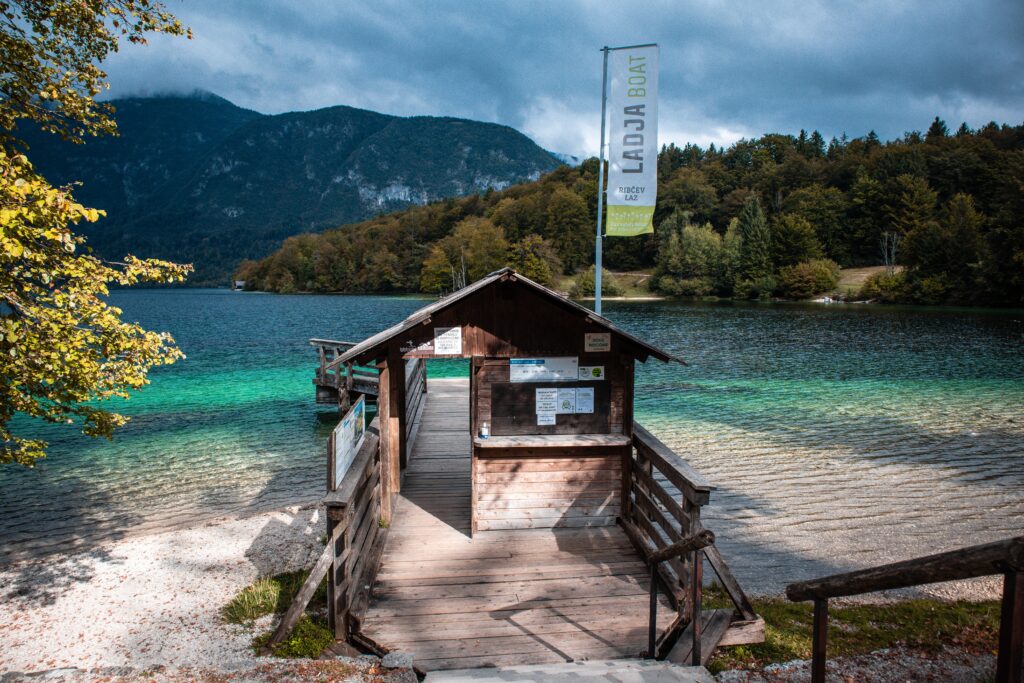
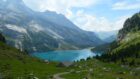
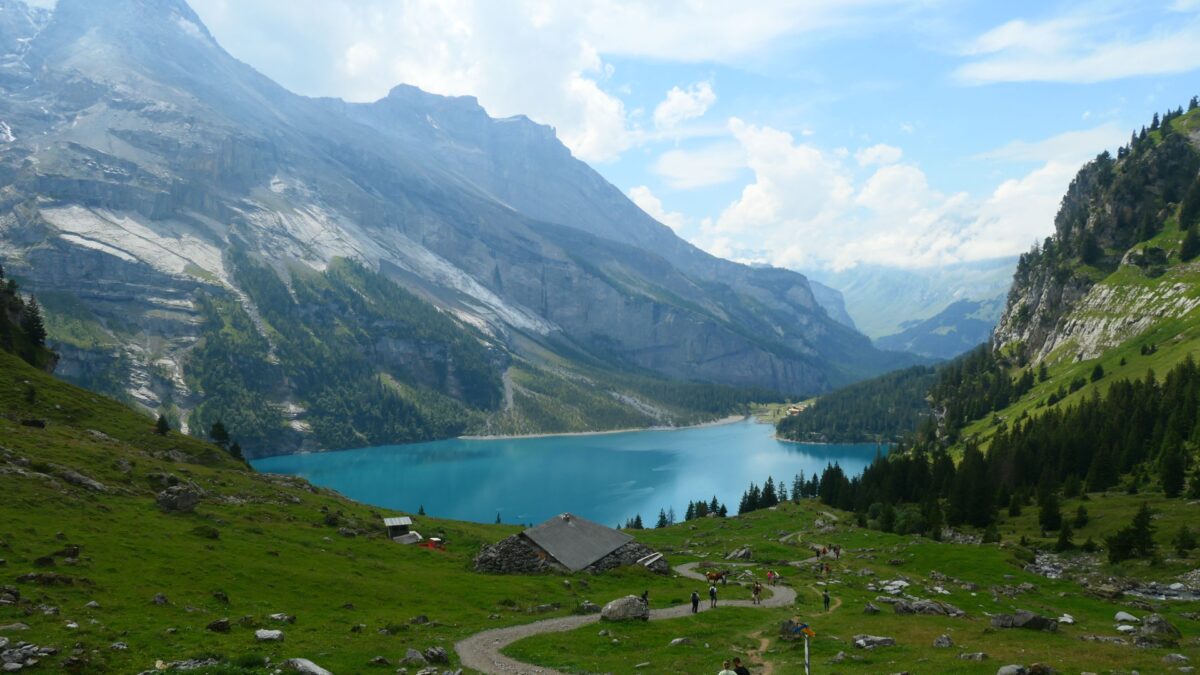
- Oeschinen Lake (Oeschinensee): reached by a short cable car followed by a gentle walk, offering one of the most photographed alpine lakes in Switzerland, with genuinely striking turquoise water framed by dramatic peaks
- Gemmi Pass: a historic mountain crossing route, accessible via cable car from nearby Leukerbad, offering genuinely spectacular hiking without requiring technical mountaineering skills
- Blausee (Blue Lake): a small, strikingly clear lake within a short walk of the village, genuinely peaceful and rarely crowded even during peak Swiss summer season
- Genuine village character: Kandersteg retains a lived-in, traditional Swiss mountain village atmosphere, without the backpacker hostel density and bar-focused evening scene that defines much of central Interlaken
Why Interlaken Still Wins for Specific Things
Interlaken’s position as the gateway to the Jungfraujoch, “Top of Europe,” Europe’s highest railway station, and its concentration of adventure sports operators represent a genuinely unique combination unavailable in Kandersteg. For travellers specifically wanting extreme sports access or the Jungfraujoch train journey, that requires Interlaken as a base.
The honest verdict: if paragliding, canyoning, or the Jungfraujoch train specifically are the trip’s purpose, that requires Interlaken despite its adventure-tourism-focused atmosphere. For travellers wanting genuine Alpine hiking and lake scenery within a quieter village setting, Kandersteg delivers a meaningfully calmer experience.
What a Few Days Actually Costs
| Category | Interlaken (3 nights, per person) | Kandersteg (3 nights, per person) |
|---|---|---|
| Accommodation (split two ways) | £200-£345 | £146-£253 |
| Food | £150-£230 | £140-£210 |
| Activities (adventure sports vs hiking/cable car) | £150-£350 | £60-£110 |
| Total | £500-£925 | £346-£573 |
Interlaken’s activity costs run significantly higher, reflecting the genuine premium pricing of paragliding, canyoning, and similar extreme sports experiences, while Kandersteg’s hiking-focused activities remain considerably more affordable.
Step-by-Step: Planning a Kandersteg Trip
- Fly into Zurich or Geneva and take the direct train to Kandersteg, with the Bernese Oberland’s excellent rail network making this a straightforward, scenic connection.
- Book the Oeschinensee cable car for the earliest available morning slot, since the lake’s popularity, while modest compared to Interlaken’s crowds, still builds by midday during peak summer.
- Combine with a Gemmi Pass hike for a genuinely more demanding, rewarding mountain crossing experience beyond the gentler lake walks.
- Consider Kandersteg as a base with a day trip into Interlaken, if wanting a taste of the Jungfraujoch train experience without basing the full stay around adventure sports tourism.
- Pack proper hiking footwear regardless of which specific trails are planned, since even Kandersteg’s gentler routes involve genuine Alpine terrain.
Frequently Asked Questions
Is Kandersteg as scenic as Interlaken?
Genuinely comparable, sharing the same Bernese Oberland Alpine drama, though Interlaken’s position between two lakes (Thun and Brienz) offers its own distinct scenic character that Kandersteg’s more purely mountain-focused setting doesn’t replicate.
Can you visit the Jungfraujoch from Kandersteg?
Not directly, this specific train journey requires basing in or near Interlaken or Grindelwald; Kandersteg’s own cable car and hiking access offer comparable but different mountain scenery instead.
Is Kandersteg suitable for a family trip?
Yes, genuinely well-suited, with the Oeschinensee cable car and gentle lakeside walking offering strong appeal across a range of ages, considerably calmer than Interlaken’s adventure-sports-focused activity options.
What is the best time of year to visit Kandersteg?
June through September offers the best hiking conditions and full cable car access, with the Oeschinensee lake typically remaining partially frozen well into late spring in many years.
What Interlaken Genuinely Costs Beyond the Headline Activities
Beyond the extreme sports pricing already covered, Interlaken’s status as a major tourist hub means everyday costs, meals, coffee, basic supplies, also tend to run somewhat higher than in Kandersteg’s smaller, less internationally geared local economy. This compounds across a multi-day stay, meaning the overall cost gap between the two destinations extends beyond just the headline activity difference into daily incidental spending as well.
Winter Considerations for Both Destinations
Both Interlaken and Kandersteg transform considerably in winter, with Interlaken’s adventure sports shifting toward skiing and snowboarding access to the Jungfrau region’s slopes, while Kandersteg offers genuinely excellent cross-country skiing and a natural ice rink on the frozen Oeschinensee lake during the coldest months. Winter pricing and crowd patterns shift accordingly, worth researching separately from the summer-focused comparisons in this guide if planning a winter-specific trip to either destination.
The South Lötschberg Car Train: A Genuine Kandersteg Feature
Kandersteg holds a unique position as the departure point for the Lötschberg car-carrying train, which transports vehicles through the Alps to the Valais region on the other side, a genuinely practical piece of infrastructure that also makes Kandersteg a natural stopping point for travellers continuing further into the Swiss Alps or toward Italy. This adds a logistical advantage beyond pure sightseeing, worth knowing about for anyone planning a wider Swiss road trip that extends past this specific village.
The Bottom Line
Kandersteg delivers genuine Swiss Alpine hiking and lake scenery within a quieter, more traditional village setting, at meaningfully lower activity costs than Interlaken’s adventure-sports-focused tourism model. The trade-off is losing direct access to the Jungfraujoch train journey and Interlaken’s concentrated paragliding and canyoning operators, both genuinely unique to that specific town’s positioning.