



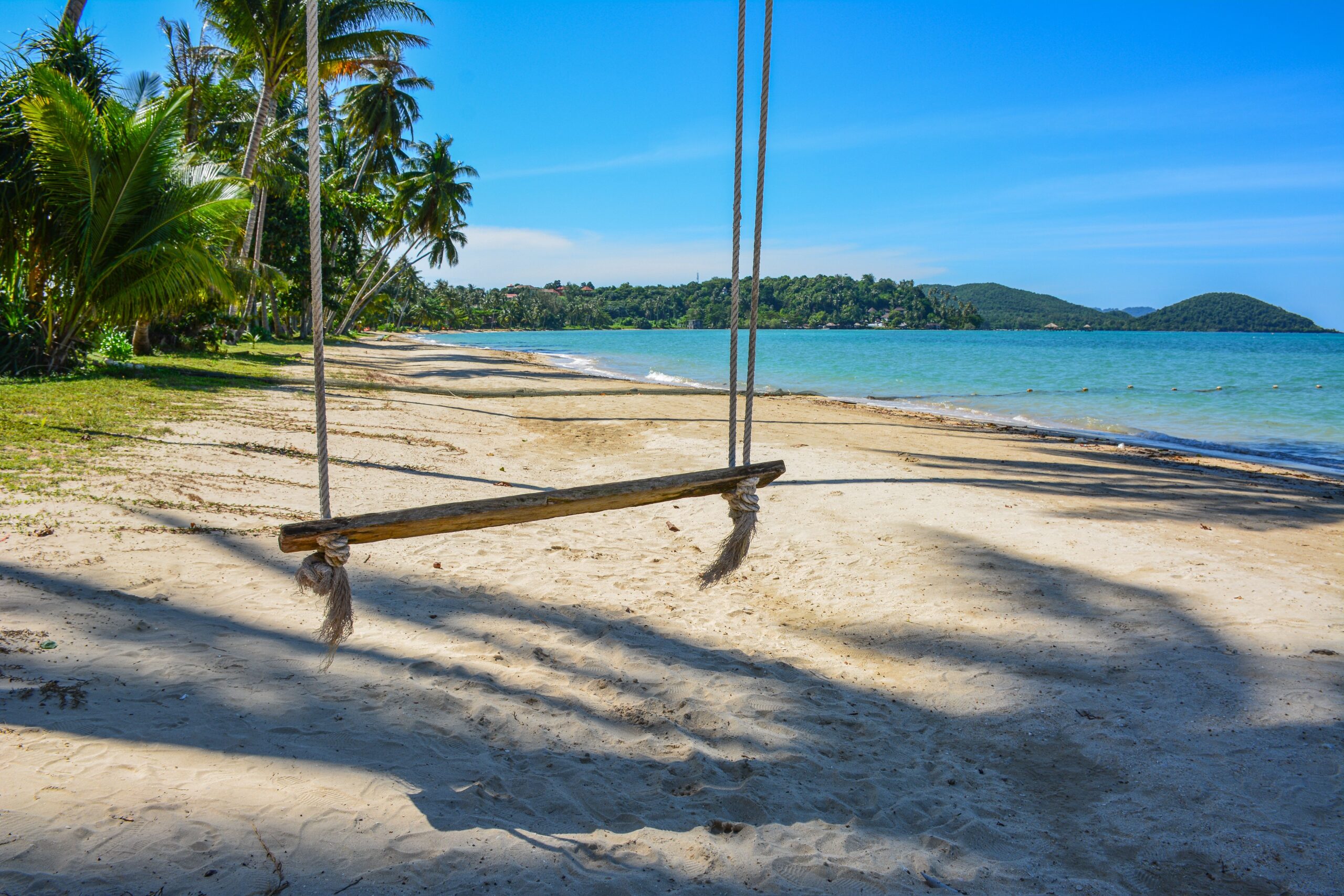
Phuket’s decades of tourism development have built extensive infrastructure, but this has also brought significant crowding, particularly around Patong Beach, alongside pricing that runs noticeably higher than much of the rest of Thailand. Koh Lanta, further south along the Andaman coast, offers comparably beautiful beaches with a noticeably calmer, more authentic Thai island atmosphere.
Quick answer: swap Phuket for Koh Lanta if the priority is genuine, quieter Thai beach life without Phuket’s crowd density and nightlife-focused development. Keep Phuket on the itinerary if its specific extensive nightlife, resort infrastructure, and international airport convenience are the non-negotiable draw, since Koh Lanta’s more relaxed character doesn’t replicate that particular scene.
Phuket vs Koh Lanta: Head-to-Head
| Factor | Phuket | Koh Lanta |
|---|---|---|
| Development level | Heavy, particularly Patong | Considerably lighter, genuinely relaxed |
| Accommodation (mid-range, per night) | ฿2,000-฿4,500 (£44-£99) | ฿1,200-฿2,800 (£26.40-£61.60) |
| Nightlife | Extensive, particularly Patong | Minimal, low-key beach bars |
| Airport access | Direct international airport | Requires ferry or longer road connection |
| Signature activity | Beach clubs, water sports | Mangrove kayaking, quieter beach time |
What Koh Lanta Actually Offers
Koh Lanta’s more gradual, lower-key tourism development has preserved a genuinely relaxed island atmosphere, with long, uncrowded beaches and a noticeably slower pace than Phuket’s more developed resort areas.
- Long Beach (Klong Dao) and Kantiang Bay: genuinely spacious, uncrowded beaches offering a stark contrast to Phuket’s more built-up shoreline, particularly around Patong
- Mangrove kayaking: Koh Lanta’s surrounding mangrove forests offer genuine eco-tourism activities, kayaking through channels and spotting local wildlife, a distinctly different experience from Phuket’s more water-sports-and-beach-club-focused offering
- Old Town night market: Koh Lanta’s Old Town holds a genuinely local, low-key night market considerably less commercialised than Phuket’s larger tourist-oriented markets, offering authentic Thai street food at local prices
- Mu Ko Lanta National Park: covering the island’s southern tip, offering genuine hiking trails and viewpoints largely absent from Phuket’s more developed landscape
Why Phuket Still Wins for Specific Things
Phuket’s direct international airport, extensive nightlife infrastructure, and wide range of resort and dining options represent a level of convenience and choice Koh Lanta’s smaller, quieter island simply doesn’t match. For travellers specifically wanting Phuket’s particular combination of easy access and extensive nightlife, that requires Phuket itself.
The honest verdict: if Phuket’s specific convenience and nightlife density are the trip’s purpose, that requires accepting the crowds and higher costs. For travellers wanting genuinely quieter, more relaxed Thai beach life at lower cost, Koh Lanta delivers a meaningfully calmer alternative, albeit with a longer journey to reach.
What a Week Actually Costs
| Category | Phuket (per person) | Koh Lanta (per person) |
|---|---|---|
| Accommodation (6 nights, split two ways) | £132-£297 | £79.20-£184.80 |
| Food | £120-£190 | £90-£140 |
| Activities | £70-£140 | £50-£100 |
| Total (excluding flights) | £322-£627 | £219.20-£424.80 |
Koh Lanta runs roughly 30-35% cheaper than Phuket, reflecting both lower accommodation demand and the absence of Phuket’s more premium-priced tourist infrastructure.
Step-by-Step: Planning a Koh Lanta Trip
- Fly into Krabi Airport, the nearest gateway to Koh Lanta, with the island reached by a combination of road and short ferry crossing (roughly 2-2.5 hours total from the airport).
- Rent a scooter for genuine island mobility, since Koh Lanta’s beaches and attractions are spread along the island’s length, benefiting from independent transport.
- Book a mangrove kayaking tour early in the stay, since this genuine highlight activity is weather-dependent and benefits from flexibility if conditions require rescheduling.
- Visit the Old Town night market on the specific evenings it operates, since unlike Phuket’s larger, more consistently operating markets, Koh Lanta’s smaller markets run on a more limited schedule.
- Check ferry schedules carefully if arriving during the off-season (roughly May-October), since some ferry routes reduce or suspend service during the wetter months.
Frequently Asked Questions
Is Koh Lanta as beautiful as Phuket?
Genuinely comparable in beach quality, with Koh Lanta’s longer, less developed stretches often considered more attractive by travellers specifically seeking a natural, uncrowded beach experience over Phuket’s more built-up shoreline.
Do UK citizens need a visa for Thailand?
No, UK passport holders can currently enter Thailand visa-free for tourism stays of up to 60 days, extendable once for a further 30 days at a local immigration office.
Is Koh Lanta suitable for a family holiday?
Yes, genuinely well-suited, with its calmer pace and gentler beaches often preferred by families over Phuket’s busier, nightlife-focused areas, though families specifically wanting extensive resort amenities may find Phuket’s larger properties better equipped.
What is the best time of year to visit Koh Lanta?
November through April offers the most reliable dry season weather, with the wet season (May-October) bringing genuine rain and rougher seas that can affect ferry schedules and outdoor activities.
Diving and Snorkelling Around Koh Lanta
Beyond the beaches themselves, Koh Lanta serves as a genuine gateway to some of Thailand’s best diving sites, including Hin Daeng and Hin Muang, considered among the country’s top dive locations for their rich coral and marine life, including regular whale shark sightings during the right season. This offers a meaningfully different underwater experience from Phuket’s own diving scene, worth building into an itinerary for travellers with a genuine interest in diving beyond simple beach time.
Koh Lanta’s Slower Evening Pace
Where Phuket’s Patong area builds its evening economy around bars, clubs, and organised nightlife entertainment, Koh Lanta’s evenings centre more around beachfront dinners, small local bars, and a generally earlier, quieter close to the day. This isn’t a lesser experience, simply a different one, worth understanding clearly before booking so expectations align with what each destination actually delivers after dark.
Environmental and Community Tourism Considerations
Koh Lanta’s more gradual tourism development has also fostered a genuinely stronger community-based tourism model in places, with several tour operators and homestays run directly by local families rather than large international hotel chains. This offers travellers a more direct economic connection to the local community than Phuket’s more heavily internationally-owned resort infrastructure typically provides, worth considering for anyone specifically interested in more sustainable, locally-rooted tourism.
The Bottom Line
Koh Lanta delivers genuinely quieter, more relaxed Thai beach life, spacious uncrowded beaches, mangrove kayaking, and authentic local night markets, at meaningfully lower cost than Phuket. The trade-off is losing Phuket’s direct international airport access and extensive nightlife infrastructure, both genuinely valuable for travellers whose trip centres on those particular conveniences.