



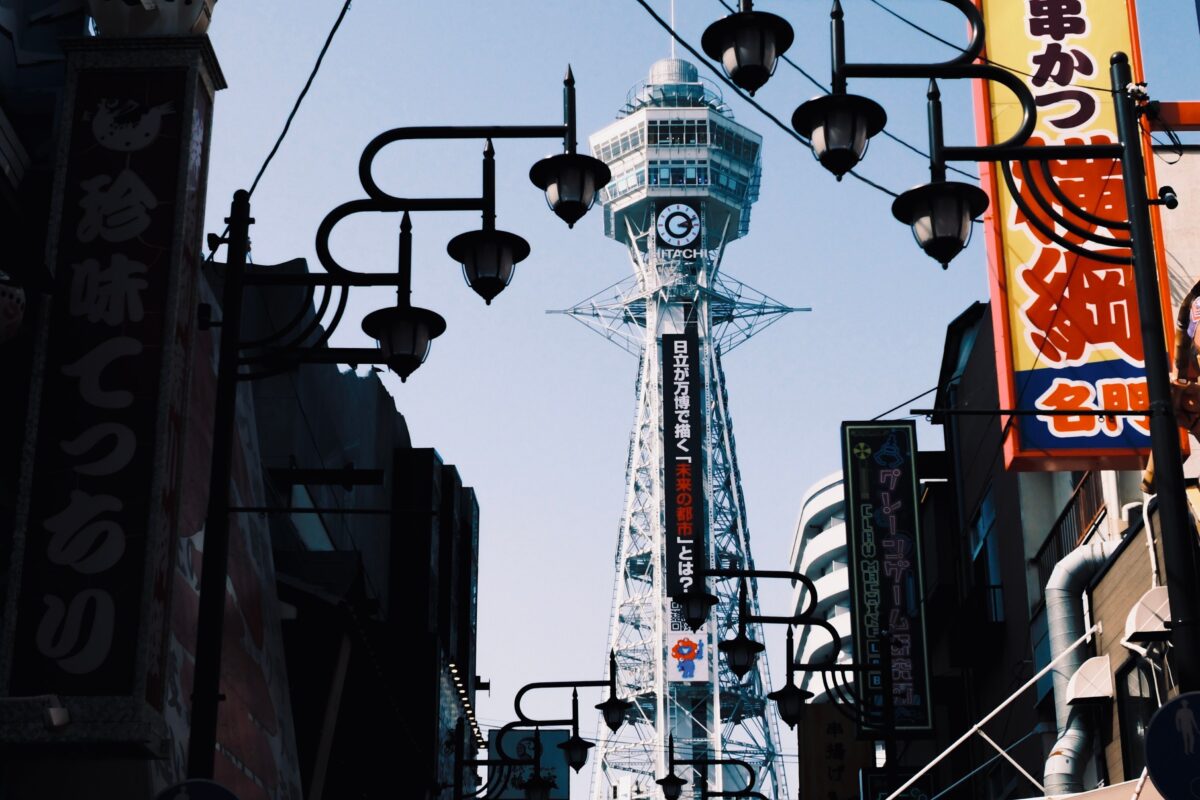
Tokyo’s status as Japan’s default first-city recommendation has driven both its accommodation costs and tourist density steadily upward, particularly across Shinjuku and Shibuya. Osaka, widely considered Japan’s genuine food capital, offers comparably strong city energy, a distinctive street food culture, and noticeably lower hotel rates.
Quick answer: swap Tokyo for Osaka if the priority is genuine Japanese street food culture and lower accommodation costs without sacrificing big-city energy. Keep Tokyo on the itinerary if its specific scale, the Shibuya Crossing, and status as Japan’s political and business capital are the non-negotiable draw, since Osaka’s different character doesn’t replicate that particular experience.
Tokyo vs Osaka: Head-to-Head
| Factor | Tokyo | Osaka |
|---|---|---|
| Accommodation (mid-range, per night) | ¥14,000-¥24,000 (£75-£128) | ¥9,000-¥16,000 (£48-£86) |
| Signature food culture | Varied, high-end sushi reputation | Genuinely Japan’s food capital, street food-focused |
| City scale | Vast, requires significant transit time | More compact, genuinely walkable core |
| Nightlife district | Shibuya, Shinjuku | Dotonbori, genuinely comparable energy |
| Day-trip access | Nikko, Hakone | Kyoto, Nara, Kobe all within an hour |
What Osaka Actually Offers
Osaka’s reputation as “Japan’s kitchen” reflects a genuine culinary identity distinct from Tokyo’s more varied, higher-end food scene, built around affordable, genuinely delicious street food eaten standing up or on the move.
- Dotonbori: Osaka’s famous canal-side street food district, genuinely comparable in energy to Tokyo’s busiest nightlife areas, with iconic illuminated signage and a concentrated food scene built around takoyaki (octopus balls) and okonomiyaki (savoury pancakes)
- Kuromon Ichiba Market: a genuinely excellent covered market offering fresh seafood and produce, comparable to Tokyo’s Tsukiji Outer Market but with noticeably lower prices and crowd density
- Osaka Castle: a striking historical landmark with genuinely fewer crowds than Tokyo’s equivalent major sights, set within a pleasant park
- Day-trip access to Kyoto and Nara: both reachable within roughly 30-45 minutes by train, meaning an Osaka base offers genuinely convenient access to two of Japan’s most significant historical destinations, arguably more efficiently than a Tokyo base would
Why Tokyo Still Wins for Specific Things
Tokyo’s sheer scale, the Shibuya Crossing’s iconic energy, and its status as Japan’s political, business, and cultural capital represent a genuinely unique combination Osaka’s smaller, more food-focused identity doesn’t match. For travellers specifically wanting Tokyo’s particular scale and its role as Japan’s most internationally recognised city, that requires Tokyo itself.
The honest verdict: if Tokyo’s specific scale and iconic status are the trip’s purpose, that requires accepting its higher costs and more spread-out geography. For travellers wanting genuine Japanese food culture, strong nightlife energy, and considerably lower accommodation costs within a more walkable city, Osaka delivers meaningfully more value.
What a Week Actually Costs
| Category | Tokyo (per person) | Osaka (per person) |
|---|---|---|
| Accommodation (6 nights, split two ways) | £225-£384 | £144-£258 |
| Food | £150-£230 | £100-£160 |
| Local transport | £40-£70 | £30-£50 |
| Total (excluding flights) | £415-£684 | £274-£468 |
Osaka runs roughly 35-40% cheaper than Tokyo across accommodation and food, a meaningful gap for a genuinely comparable Japanese city break experience.
Step-by-Step: Planning an Osaka Trip
- Fly into Kansai International Airport, Osaka’s main gateway, served by direct or one-stop connections from the UK, comparable in overall journey complexity to flying into Tokyo’s Narita or Haneda.
- Base accommodation near Namba or Dotonbori for the strongest combination of food access and nightlife proximity.
- Get a Kansai-area rail pass if planning day trips to Kyoto and Nara, since this genuinely simplifies and reduces the cost of exploring beyond Osaka itself.
- Try takoyaki from a genuinely local, non-tourist-strip vendor, since Dotonbori’s most heavily marketed stalls often charge a premium over equally good options a few streets further in.
- Visit Kuromon Ichiba Market in the morning, both for the freshest seafood selection and to avoid the market’s midday crowd peak.
Frequently Asked Questions
Is Osaka as safe as Tokyo for tourists?
Yes, Japan overall maintains genuinely low crime rates by international standards, and Osaka is no exception, offering comparable safety to Tokyo for solo travellers and families alike.
Do UK citizens need a visa for Japan?
No, UK passport holders can enter Japan visa-free for tourism stays of up to 90 days, regardless of which specific city serves as the trip’s base.
Is Osaka worth visiting if you’ve already done Tokyo?
Yes, genuinely offering a different food-focused, more compact city experience, making it a strong second Japan destination or an alternative first-visit base for travellers specifically prioritising street food culture over Tokyo’s broader scale.
What is the best time of year to visit Osaka?
March-April (cherry blossom season) and October-November (autumn foliage) offer the strongest combination of comfortable weather and seasonal scenery, though these periods also bring the highest demand and prices nationwide, including in Osaka.
Universal Studios Japan: A Genuine Family Draw
Beyond food and nightlife, Osaka is home to Universal Studios Japan, one of the country’s most popular theme parks, offering a genuine family-friendly attraction that Tokyo’s more scattered entertainment options don’t concentrate in quite the same single, accessible location. This adds a practical dimension for family travellers weighing the two cities, since Universal Studios Japan sits within Osaka’s public transport network rather than requiring a separate day trip the way Tokyo Disneyland does from central Tokyo.
Language and Cultural Character Worth Knowing
Osaka’s dialect (Kansai-ben) and local humour culture differ noticeably from standard Tokyo Japanese, with Osaka widely regarded within Japan as the country’s comedy capital, home to many of its most famous comedians and a genuinely distinct, more outgoing local personality compared to Tokyo’s somewhat more reserved reputation. This cultural texture adds a genuine layer of local character to an Osaka visit beyond the more commonly cited food and cost comparisons.
Getting Around: Osaka’s Practical Transport Advantage
Osaka’s subway and rail network, while less extensive than Tokyo’s, covers the city’s main areas efficiently enough that most visitors find navigation genuinely simpler than Tokyo’s sprawling, sometimes confusing multi-operator system. This practical ease of movement compounds the cost savings already covered, since less time and money spent figuring out transport connections translates into more time actually spent enjoying the city.
The Bottom Line
Osaka delivers genuine Japanese street food culture, strong nightlife energy, and considerably lower accommodation costs, all within a more compact, walkable city offering convenient access to Kyoto and Nara. The trade-off is losing Tokyo’s specific vast scale and status as Japan’s most internationally iconic city, both genuinely valuable for travellers whose trip centres on that particular experience.