



The guide to the world’s Carnival celebrations — the pre-Lenten festivals (and their descendants) that produce some of the most spectacular street celebrations on Earth, from the Rio spectacle to the Venetian masks to the Caribbean-rooted Notting Hill. This guide covers the major Carnivals, what each offers, and how to experience them.
Reading time: 8 minutes | Last updated: 2026
What Carnival Is
Carnival is, in origin, the pre-Lenten celebration (the feasting and the revelry before the Lent fasting), the specific Catholic-rooted festival that developed the distinct regional forms across the world — the Latin American, the Caribbean, the European, each with the specific character. The specific timing — most Carnivals fall in February or March (before Lent), though the descendants (the Notting Hill) have moved to the other dates.
The Major Carnivals
Rio de Janeiro (Brazil): The specific Carnival superlative — the largest Carnival in the world, the specific spectacle of the samba school parades in the Sambadrome (the competitive parades of the samba schools, the elaborate floats, the costumes, the specific choreographed spectacle), and the street parties (the blocos — the free street parties throughout the city, the specific accessible Carnival alongside the ticketed Sambadrome). The specific Rio Carnival experience — the Sambadrome for the spectacle (the tickets required), the blocos for the street party (the free, the accessible).
Venice (Italy): The specific Carnival contrast — the elegant, historic, masked Carnival, the specific Venetian character (the elaborate masks and the historical costumes, the masquerade balls, the specific refined and atmospheric celebration versus the Rio exuberance). The specific Venice Carnival — the masks, the costumes, the atmospheric canals, the specific elegant celebration.
Trinidad and Tobago: The specific Carnival root — the Caribbean Carnival that influenced the diaspora celebrations (the Notting Hill, the others), the specific Trinidad Carnival (the calypso, the soca, the steelpan, the mas (the masquerade bands), the specific Caribbean Carnival at its source). The specific authentic Caribbean Carnival.
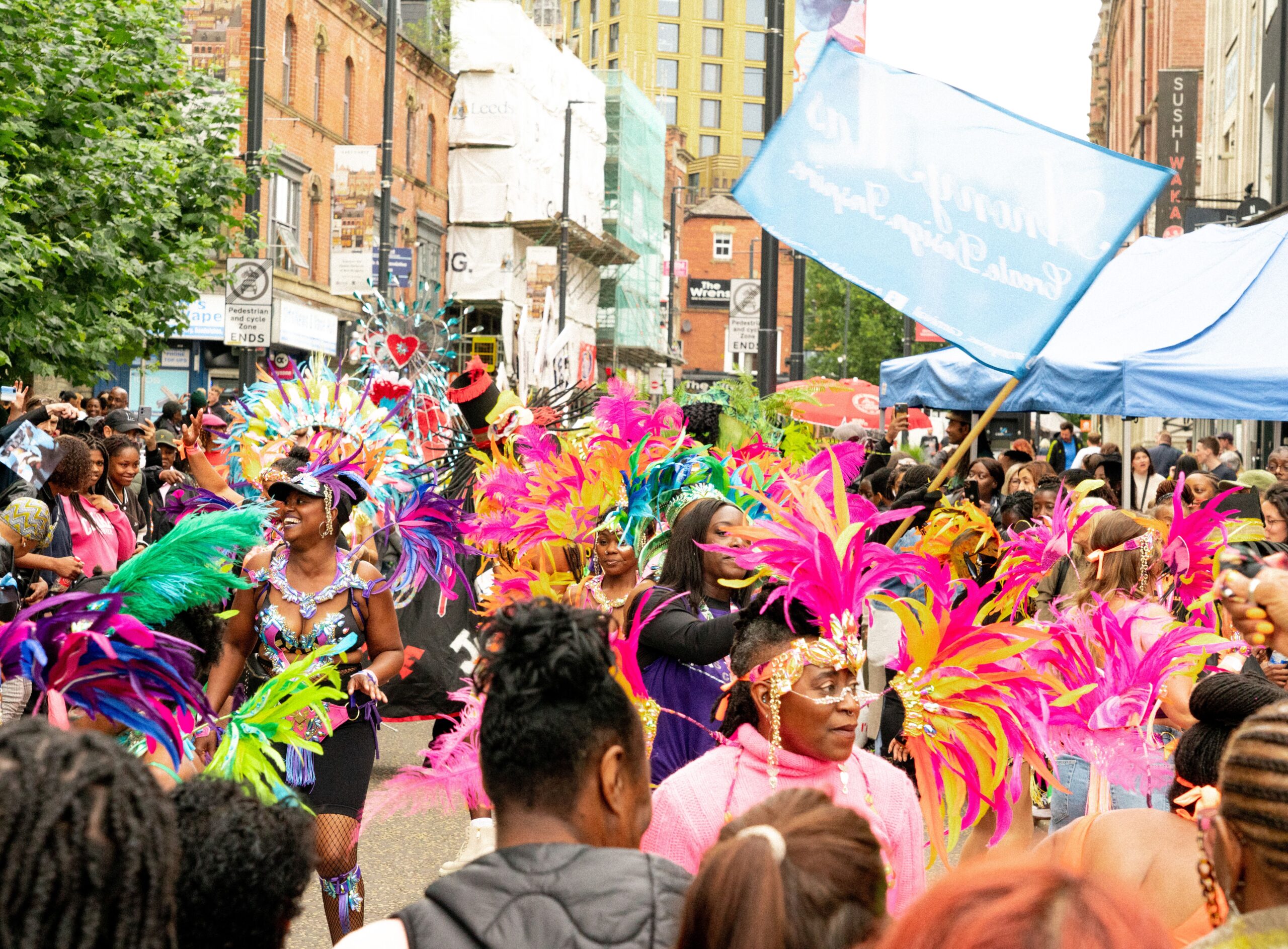
Notting Hill (London): The specific accessible Carnival — the Caribbean-rooted Carnival in London (the largest street festival in Europe), the specific UK Carnival (the sound systems, the steel bands, the costumes, the Caribbean food, the specific diaspora celebration). The specific accessible Carnival for the UK traveller (August bank holiday, not the pre-Lenten timing).
New Orleans (Mardi Gras): The specific American Carnival — the Mardi Gras (“Fat Tuesday”), the specific New Orleans celebration (the parades, the beads, the krewes, the specific American Carnival tradition).
Cologne, Cadiz, and the European Carnivals: The specific European Carnivals — the Cologne Carnival (the German Karneval), the Cadiz Carnival (the Spanish, the specific satirical chirigotas), the specific regional European celebrations.
How to Experience Each
Rio: The specific planning — the Sambadrome tickets (booked well ahead, the specific expense), the blocos (the free street parties, the schedule, the specific accessible option), the accommodation (booked months ahead, the specific Carnival-week premium), the safety (the specific Carnival crowd awareness).
Venice: The specific planning — the accommodation (booked well ahead), the masks and the costumes (the rental, the purchase, the participation), the balls (the ticketed masquerade balls, the specific expensive but atmospheric option).
Notting Hill: The specific planning — the free (the specific accessibility), the crowds (the specific huge crowds, the awareness), the timing (the August bank holiday), the specific London accessible Carnival.
The Respectful Participation
The specific note — the Carnival is the cultural (and in the origin religious) celebration, not the tourist spectacle to consume. The specific respect — the participation with the awareness of the cultural roots (the Caribbean Carnival’s roots in the emancipation celebration, the specific cultural significance), the respect for the culture, the participation as the respectful guest.