



Da Nang has emerged as Vietnam’s strongest counter to Bangkok and Chiang Mai’s long-established nomad dominance, offering genuine beachfront living, some of the lowest costs of any established Southeast Asia hub, and a noticeably calmer pace than Vietnam’s larger cities.
Quick answer: £20/day covers a private beachfront-adjacent apartment, coworking access, and three meals daily in Da Nang, among the lowest costs of any coastal Southeast Asia nomad destination. UK passport holders currently require either an e-visa or visa on arrival for stays; confirm current requirements before booking given Vietnam’s periodically shifting visa policy for UK citizens.
The £20/Day Breakdown
| Category | Daily Cost (GBP) | What It Buys |
|---|---|---|
| Accommodation (monthly rate, averaged) | £8-£12 | Private one-bedroom apartment, often with pool access |
| Food (three meals) | £6-£10 | Mix of local restaurants and street food |
| Coworking | £2-£4 | Day rate averaged from monthly membership |
| Local transport | £1-£3 | Grab (ride-hailing), scooter rental |
| Total | £17-£29 | Averages to roughly £20/day |
Why Da Nang Specifically, Not Hanoi or Ho Chi Minh City
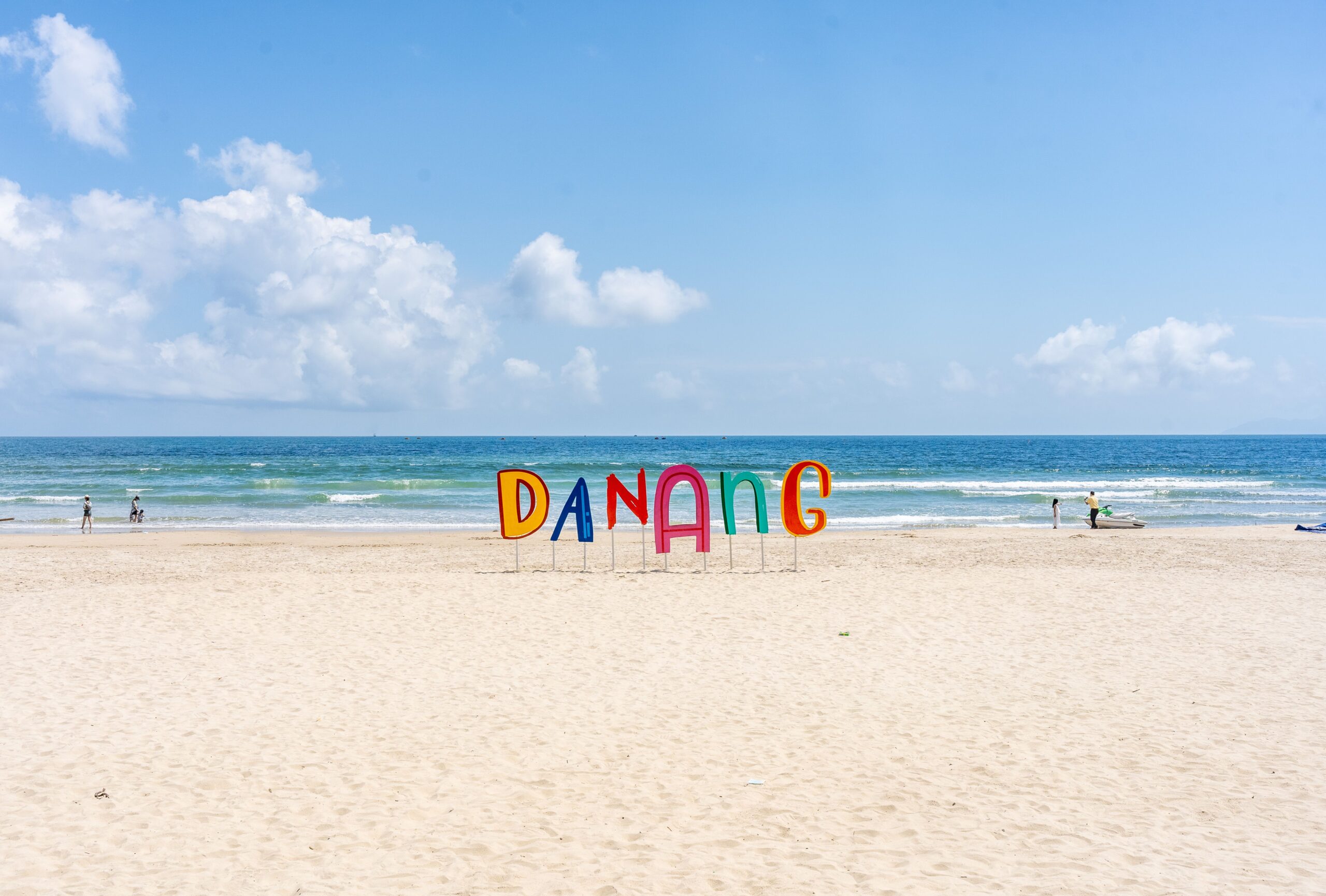
Da Nang offers a genuinely different pace from Vietnam’s two largest cities, positioned directly on a long stretch of beach (My Khe Beach, once nicknamed “China Beach” by American forces during the Vietnam War) while retaining reasonable proximity to Hoi An’s Ancient Town, roughly 30-40 minutes south.
- Beach access: genuinely central to daily life, unlike Hanoi or Ho Chi Minh City, where beach time requires a separate trip
- Pace: noticeably calmer than either larger city, with less traffic congestion and a more relaxed overall rhythm
- Cost: consistently among the lowest of Vietnam’s three major nomad-relevant cities, reflecting lower demand relative to Hanoi and Ho Chi Minh City’s larger established expat populations
Where to Live
My Khe Beach Area
Apartments directly behind My Khe Beach offer the strongest lifestyle appeal, walking distance to the sand and a growing selection of nomad-friendly cafes.
- Rent (one-bedroom, monthly): £250-£380, often including pool access in newer developments
- Character: genuinely beach-focused, increasingly popular with the growing nomad community specifically
Han River Area (Central Da Nang)
Apartments closer to the Han River and central business district offer a more urban base, slightly cheaper than the beachfront area while remaining a short scooter ride from the beach.
- Rent (one-bedroom, monthly): £200-£320
- Character: more local, less beach-focused, with strong access to Da Nang’s genuine city life and markets
Where to Work
Da Nang’s coworking scene has grown significantly to serve its expanding nomad population, with several dedicated spaces now offering genuinely strong infrastructure.
- Dedicated coworking spaces: day passes from 100,000-150,000 VND (£3.25-£4.90), monthly membership around 1,500,000-2,500,000 VND (£48.75-£81.25)
- Beachfront cafes: many offer reliable wifi and a genuinely pleasant working environment with sea views, though peak weekend hours can see them fill with tourists
Visa Rules: What UK Citizens Need to Know
Vietnam’s visa policy for UK passport holders has shifted periodically in recent years, making this one of the more important details to reconfirm close to booking rather than relying on older information.
- E-visa: typically arranged online in advance, valid for a set period (historically up to 90 days for some nationalities, though terms shift), processed within a few business days
- Visa on arrival: an alternative route requiring pre-arranged approval letters in some cases; confirm current requirements on Vietnam’s official immigration portal
- Visa runs: some longer-term nomads historically extended their stay via a border run to a neighbouring country, though this practice’s reliability varies with current policy and shouldn’t be assumed as a guaranteed extension method
Step-by-Step: Setting Up for a Month
- Confirm current visa requirements and apply well before travel, given Vietnam’s periodically shifting policy for UK citizens specifically.
- Book a short-term apartment for the first week, using this time to view longer-term rental options, particularly around My Khe Beach, in person before committing.
- Rent a scooter for genuine local mobility, since Da Nang’s layout, while more walkable than some Vietnamese cities, still benefits significantly from scooter access for reaching Hoi An or further-flung parts of the city.
- Get a local SIM card on arrival, with Viettel offering strong, affordable data coverage across the city.
- Join Da Nang-specific nomad Facebook groups before arrival, since the community, while smaller than Bangkok or Chiang Mai’s, is genuinely active and growing.
What a Month Actually Costs
| Category | Monthly Cost (GBP) |
|---|---|
| One-bedroom apartment (My Khe Beach area) | £250-£380 |
| Coworking or cafe work costs | £50-£80 |
| Food (mix of cooking and eating out) | £150-£220 |
| Local transport (scooter rental) | £25-£40 |
| SIM/data | £8-£12 |
| Total | £483-£732 |
Hoi An as a Weekend Escape
Da Nang’s proximity to Hoi An, roughly 30-40 minutes by scooter or Grab, means nomads based here have easy access to the UNESCO-listed Ancient Town for weekend visits without needing to relocate. Hoi An’s lantern-lit evenings and strong tailoring shops offer a genuinely worthwhile change of pace from Da Nang’s beach-and-coworking routine, making the two destinations function well together as a combined base rather than requiring a choice between them.
Frequently Asked Questions
Do UK citizens need a visa to work remotely from Da Nang?
Yes, typically an e-visa or visa on arrival is required; confirm current specific terms on Vietnam’s official immigration portal before booking, since policy for UK citizens has changed periodically in recent years.
Is Da Nang safe for solo travellers, including women?
Generally considered safe, with standard precautions around belongings in crowded areas and late-night solo scooter travel applying as with most Southeast Asian destinations.
How does Da Nang compare to Chiang Mai for a first Southeast Asia workcation?
Da Nang offers genuine beach access that Chiang Mai lacks, while Chiang Mai retains a longer-established, larger nomad community and infrastructure; the choice largely comes down to whether beach or a more established mountain-city nomad scene matters more.
Is it easy to extend a stay in Da Nang beyond the initial visa period?
Extension processes exist but vary depending on current visa policy and the specific type initially obtained; working with a reputable local visa service agency is generally recommended over attempting to navigate extension bureaucracy independently, given how frequently the underlying rules shift.
What is the best time of year to be in Da Nang?
February to May offers the most reliably dry, comfortable weather, with the wet season (September-December) bringing a genuine risk of typhoons affecting central Vietnam specifically, worth avoiding for anyone prioritising consistent weather during their stay.
The Bottom Line
Da Nang delivers genuine beachfront living at some of the lowest costs of any established Southeast Asia nomad destination, with a growing coworking scene and noticeably calmer pace than Vietnam’s larger cities. The trade-off is Vietnam’s periodically shifting visa policy for UK citizens, worth confirming carefully before committing to a longer stay rather than assuming terms from a previous trip still apply.