
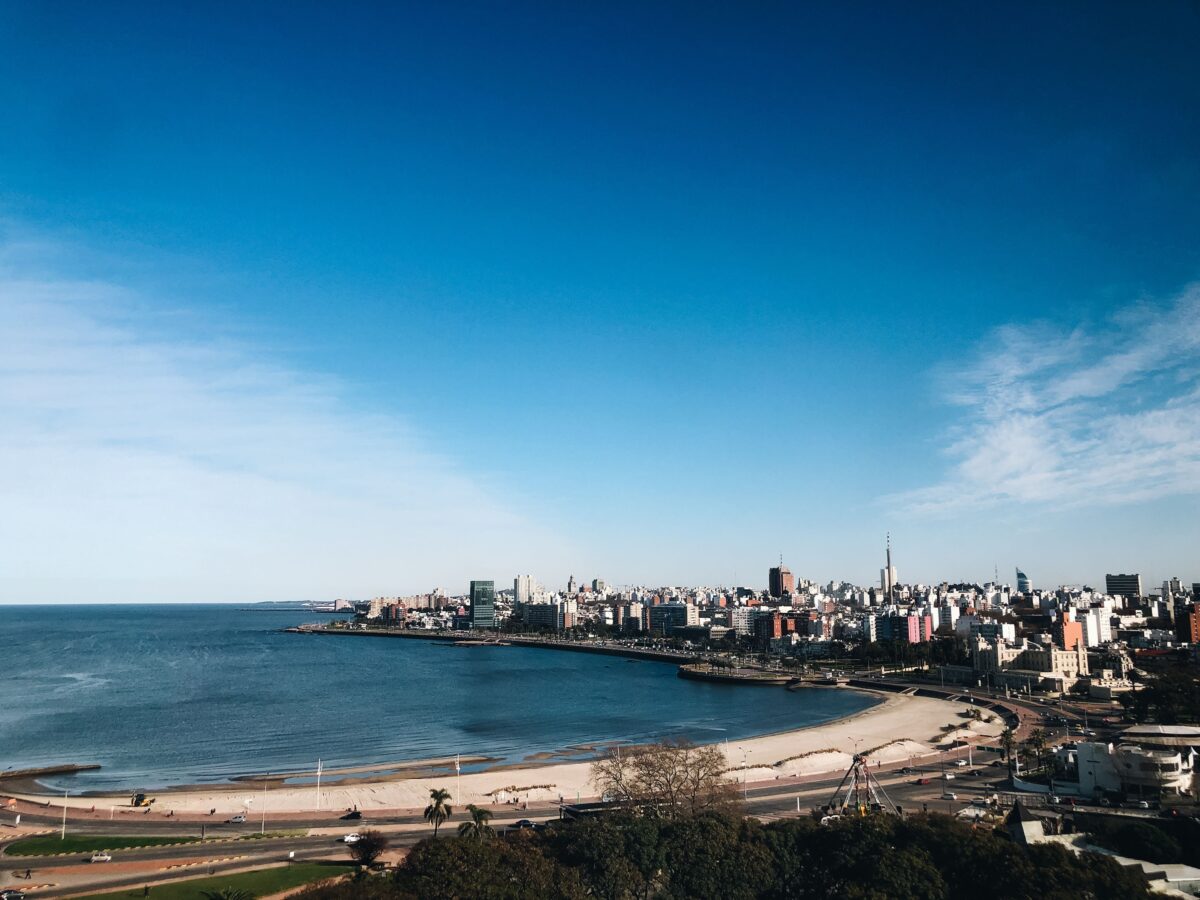
The specific Montevideo argument: Uruguay’s capital is the South American city that the continent’s travellers skip because it is between Buenos Aires (3 hours by ferry) and the rest of everything they came for, and the city that the visitor who stops discovers as the capital city with the highest quality of life on the continent (the UN HDI ranking confirms it), the rambla (the 22km continuous coastal promenade — the longest uninterrupted urban waterfront in the world), the Mercado del Puerto (the 1868 iron market converted to the parrilla (the Uruguayan grill restaurant) concentration where the churrasco and the mollejas and the morcilla dulce give the Uruguay meat culture at its most concentrated), and the specific Uruguay that the Argentine tourist knows and respects and that the rest of the world is still discovering.
Reading time: 7 minutes | Last updated: 2025
Before You Arrive
Getting there: Fly London-Montevideo (via São Paulo, Buenos Aires, or Santiago — 15-20 hours total). Or the Buquebus ferry from Buenos Aires (the 3-hour crossing, the ferry terminal at the Buenos Aires Puerto Madero — the specific South America inter-city crossing by the Río de la Plata): ARS 25,000-40,000 / £20-32 one way.
UK citizens: Uruguay visa-free 90 days.
Currency: Uruguayan Peso (UYU). 1 GBP ≈ 50 UYU (2025). USD accepted widely in tourist areas.
Where to stay: Ciudad Vieja (the Old City — the Mercado del Puerto walking distance, the port views): UYU 1,500-3,000 / £30-60/night budget, UYU 4,000-8,000 / £80-160/night mid-range.
DAY 1
7am — The Rambla
The Rambla de Montevideo (the 22km continuous coastal promenade from the Ciudad Vieja to the Carrasco neighbourhood — the Río de la Plata visible to the south, the Montevideo skyline visible to the north, the Montevideo morning exercise hour visible from 6am):
At 7am: the Montevideans at the rambla — the joggers, the cyclists, the mate drinkers (the mate (the yerba mate gourd and the thermos of hot water — the specific Uruguay social drink visible in every hand on the rambla from 6am to 8am, the cebador (the person who pours the mate) the social role that the Montevideo street assigns to the person carrying the thermos)).
The mate culture instruction: do not ask for the sugar in the mate unless offered. The traditional Uruguayan mate is amargo (bitter). The offer of mate from a stranger on the rambla is the specific Uruguay welcome gesture — accept it.
10am — The Ciudad Vieja
The Ciudad Vieja (the 18th-century colonial core — the Plaza Independencia (the main square, the equestrian monument to General Artigas visible at the centre (the José Artigas mausoleum beneath the monument, the eternal flame)):
The Solis Theatre (the 1856 opera house on the Plaza Independencia — the guided tour (UYU 300 / £6 per person) of the specific Italianate theatre that gives the Montevideo cultural ambition visible in the architecture that the economic capacity of a country of 3.5 million people built):
1pm — The Mercado del Puerto
The Mercado del Puerto (the 1868 iron market on the Ciudad Vieja waterfront — the parrillas (the grill restaurants) visible through the iron structure, the beef smell present from the market perimeter):
The churrasco (the grilled beef — the Uruguay Hereford and Angus cattle, the specific beef quality that the grassland pampas produce and that the Mercado del Puerto grills at the charcoal fire): UYU 700-1,200 / £14-24 for the churrasco with the chimichurri and the papas fritas (the fries).
The mollejas (the sweetbreads — the thymus gland, the specific Uruguay grill item that the international visitor is invited to try before categorising): UYU 400-700 / £8-14.
4pm — The MAPI and the Prado
The MAPI (the Museo de Arte Precolombino e Indígena — the pre-Columbian collection in the Ciudad Vieja): UYU 200 / £4.
7pm — The Pocitos Neighbourhood
The Pocitos (the Montevideo beach neighbourhood — the Pocitos beach on the rambla, the apartment buildings, the heladerías (the ice cream shops — the Uruguayan ice cream tradition, the Heladería Il Panino or the Heladería Brasileira), the specific Montevideo evening):
The medio y medio (the Uruguay drink — the half sparkling wine, half still white wine, the specific Uruguayan bar drink that the folklore attributes to the Café Brasilero in the Ciudad Vieja where it was invented): UYU 250-400 / £5-8.
DAY 2
8am — The Feria de Tristán Narvaja
The Tristán Narvaja street market (the Sunday market on Tristán Narvaja Street in the Cordón neighbourhood — the specific Montevideo Sunday market, the books, the antiques, the fresh produce, the tortas fritas (the fried dough, the Uruguay Sunday morning street food)):
The torta frita: UYU 30-60 / £0.60-1.20 each. Buy three.
11am — The Museo Nacional de Artes Visuales
The MNAV (the National Museum of Visual Arts in the Parque Rodó — the Uruguayan and regional art collection, the specific Uruguay visual art tradition):
Entry: free.
2pm — The Ferry to Buenos Aires
The Buquebus terminal at the Puerto (the 3-hour Buquebus crossing to Buenos Aires — the specific South America inter-city ferry, the Río de la Plata crossing, the Buenos Aires visible from the ferry deck as the approach):
The correct Montevideo 48-hour ending: the ferry rather than the flight, the Río de la Plata as the departure.
What It Costs (2 Days)
| Category | Budget | Mid-Range |
|---|---|---|
| 2 nights accommodation | £60-120 | £160-320 |
| Food (2 days) | £20-50 | £50-130 |
| Transport (bus, walking) | £5-10 | £5-10 |
| Museum entries | £4-10 | £4-10 |
| Total (excluding flights) | £89-190 | £219-470 |