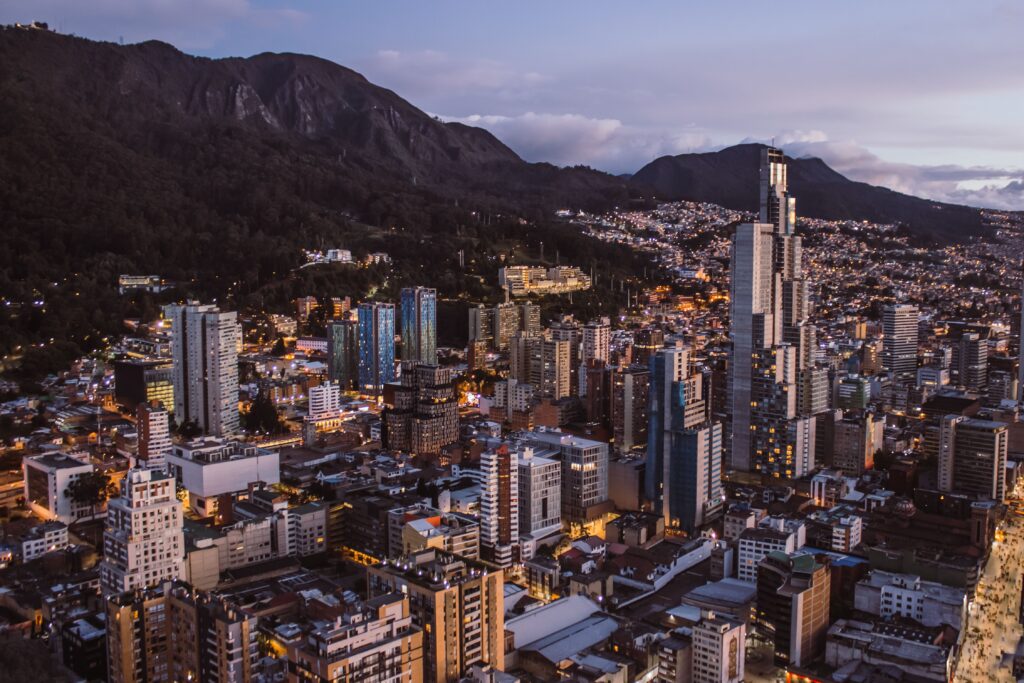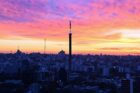
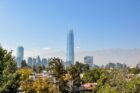
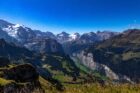

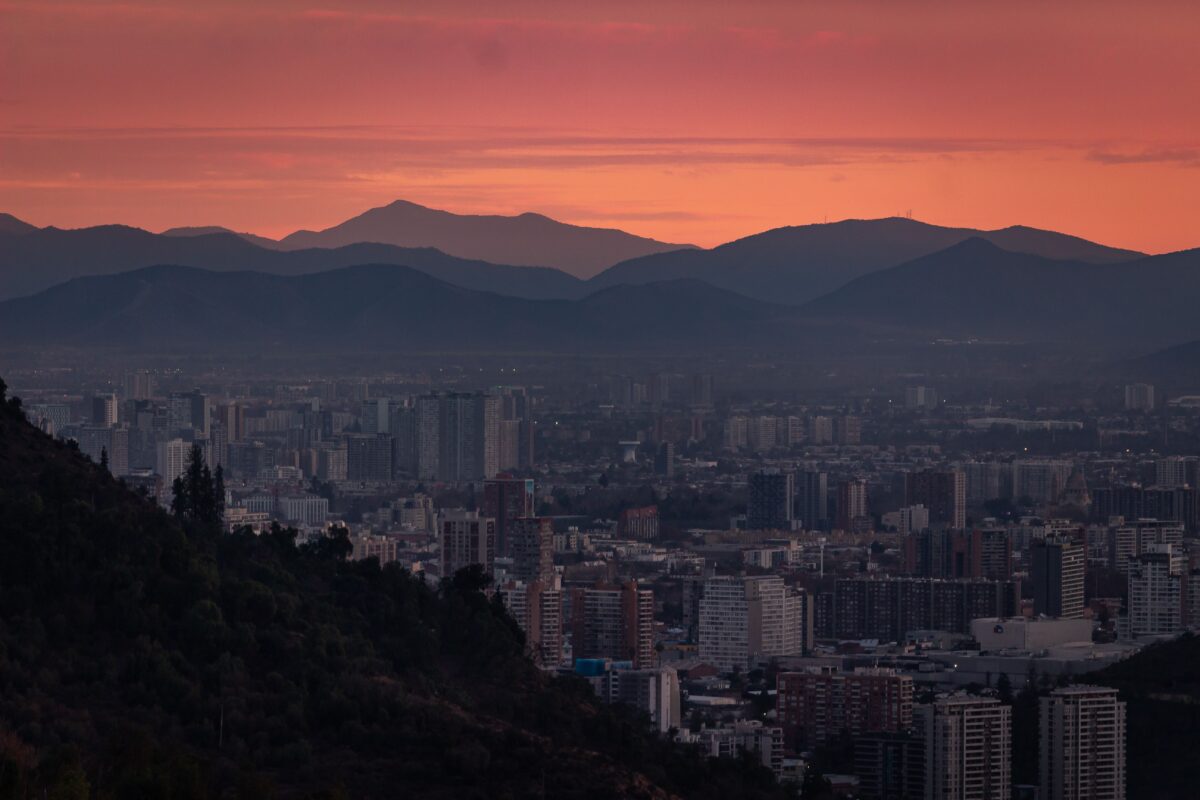
The specific Santiago argument: Chile’s capital is the South American city that the continent’s travellers skip because it looks, at first glance, like a modern city with a mountain backdrop — and the second glance reveals that the mountain backdrop is the Andes (the 6,893-metre Tupungato visible on a clear day from the Cerro San Cristóbal), the neighbourhood on the hill is the Cerro Santa Lucía (the 16th-century fortified hill converted to the public park by Benjamín Vicuña Mackenna in 1872, the single most civilised urban park intervention in South America), and the Barrio Lastarria gives the specific Santiago coffee and bookshop and gallery culture that the Lonely Planet’s “boring stopover” assessment has been wrong about for twenty years.
Reading time: 7 minutes | Last updated: 2026
Before You Arrive
Getting there: Fly London-Santiago (via São Paulo, Buenos Aires, or Madrid — 17-20 hours total). UK citizens: Chile visa-free 90 days.
Currency: Chilean Peso (CLP). 1 GBP ≈ 1,150 CLP (2025). Card payments widely accepted; carry CLP cash for the Mercado Central and the Vega Central.
Where to stay: Barrio Lastarria or Barrio Italia: CLP 20,000-40,000 / £17-35/night budget, CLP 60,000-120,000 / £52-104/night mid-range.
DAY 1
7am — The Cerro San Cristóbal
The Cerro San Cristóbal (the 880-metre hill in the Parque Metropolitano — the funicular from the Pío Nono station (CLP 2,800 / £2.43 return), the 36-metre Virgin Mary statue at the summit, the Andes visible above the Santiago smog layer on the clear winter mornings (June-August)):
At 7am: the summit before the Santiago smog builds (the thermal inversion traps the pollution in the valley from midday — the Andes are clearest in the early morning before the city heats).
10am — The Barrio Bellavista and the La Chascona
The La Chascona (the Pablo Neruda house in the Bellavista neighbourhood — the poet’s Santiago home named after his lover Matilde Urrutia (the “dishevelled one” — the wild-haired woman), the 1953 house visible as the specific Chilean modernist domestic architecture, the Neruda collection (the ship figureheads, the horse saddles, the bar serving the pisco sour)):
Entry: CLP 7,000 / £6.09.
The pisco sour (the Chilean national cocktail — the pisco (the Chilean grape brandy), the lemon, the egg white, the Angostura bitters on top, the drink visible at the Neruda house bar from noon): CLP 3,000-5,000 / £2.61-4.35.
12pm — The Mercado Central
The Mercado Central (the 1872 iron market — the fish market under the specific cast-iron dome, the caldillo de congrio (the conger eel stew — the Pablo Neruda ode to this dish, Oda al Caldillo de Congrio, the specific Chilean soup that the Neruda poem made famous) at the central restaurant tables):
The caldillo de congrio: CLP 8,000-12,000 / £6.96-10.43. The specific Mercado Central instruction: eat at the tables inside the iron dome, not at the restaurants outside it. The outside restaurants are the tourist price; the inside is the Santiago fish market price.
3pm — The Cerro Santa Lucía
The Cerro Santa Lucía (the fortified hill at the centre of the city — the 1872 Vicuña Mackenna park conversion, the fountains, the terraces, the Santiago visible from the various viewpoints, the specific urban hill park):
Free entry. The Terraza Neptuno at the summit: the view of the Santiago skyline and, on clear days, the Andes to the east.
7pm — The Barrio Italia
The Barrio Italia (the vintage market and restaurant neighbourhood — the anticucho (the beef heart skewer, the Peruvian-influenced Chilean street food, available at the Barrio Italia market from 6pm): CLP 2,000-3,000 / £1.74-2.61 per skewer.
DAY 2
8am — The Vega Central
The Vega Central (the wholesale food market north of the Mapocho River — the Santiago produce market at the morning purchase hour, the chirimoya (the custard apple), the lúcuma (the Andean fruit with the maple-caramel flavour), the merkén (the smoked chilli spice blend, the specific Mapuche condiment)):
The fruit juice stall: the fresh lúcuma milkshake (CLP 1,500-2,500 / £1.30-2.17) is the specific Santiago morning drink that the rest of the world hasn’t discovered yet.
11am — The Museum of Memory and Human Rights
The Museo de la Memoria y los Derechos Humanos (the museum covering the 1973-1990 Pinochet dictatorship — the specific Chilean history, the 3,095 people killed, the 38,000 tortured, the testimony visible in the audio and video installations):
The specific museum instruction: this museum covers recent history. The person who survived the period may be the person who now serves you coffee. The respectful visitor disposition is the one that acknowledges the recency of the events rather than treating them as ancient history.
Entry: free.
2pm — The Barrio Lastarria
The Barrio Lastarria (the arts and culture neighbourhood — the bookshops, the galleries, the specific Santiago afternoon):
The completo italiano (the Chilean hot dog — the sausage in the bread with the avocado, the tomato, the mayonnaise — the specific Chilean fast food that the Chilean culinary pride both defends and finds embarrassing simultaneously): CLP 2,500-4,000 / £2.17-3.48 at the corner fuente de soda.
What It Costs (2 Days)
| Category | Budget | Mid-Range |
|---|---|---|
| 2 nights accommodation | £34-70 | £104-208 |
| Food (2 days) | £12-30 | £30-80 |
| Transport (Metro) | £3-6 | £3-6 |
| Cerro San Cristóbal + La Chascona | £9 | £9 |
| Total (excluding flights) | £58-115 | £146-303 |