

The beer tourism guide for the traveller who has had enough of the hotel minibar lager and wants the specific encounter with the beer that the place produces and that the export version cannot replicate — the Weihenstephan Freisingdruck (the beer brewed at the Weihenstephan monastery since 1040 CE — the oldest continuously operating brewery in the world, the specific Bavarian weissbier from the specific Bavarian wheat at the specific Bavarian monastery at the specific Bavarian price of €4.20 / £3.62 per half litre in the brewery’s own beer garden) or the Rodenbach Grand Cru (the Flemish red ale aged for 2 years in the 294 oak foeders visible at the Rodenbach brewery in Roeselare — the specific beer that the sour beer community regards as the benchmark and that the brewery’s guided tour gives at the source) or the Žatec hops (the Saaz hop growing region in the Czech Bohemia that provides the hop for the Pilsner Urquell and that the hop harvest festival in September gives as the specific beer tourism event in the specific year). Five beer regions and five specific breweries that give the beer where it was made.
Reading time: 8 minutes | Last updated: 2026
Bavaria — The Reinheitsgebot Country
The Bavarian Reinheitsgebot (the 1516 beer purity law — the regulation that Bavarian beer can be made only from water, malted barley, hops, and yeast, the specific legislative expression of the Bavarian relationship to beer as something requiring the state protection) is the oldest food purity law still in force in Germany and the specific reason that Bavarian beer is what it is.
The Weihenstephan Brewery (Freising, 40km north of Munich):
The brewery founded at the Weihenstephan monastery in 1040 CE — the oldest continuously operating brewery in the world. The current brewery operates on the same hilltop as the original monastic brewery, the yeast strain tracked from the monastic tradition.
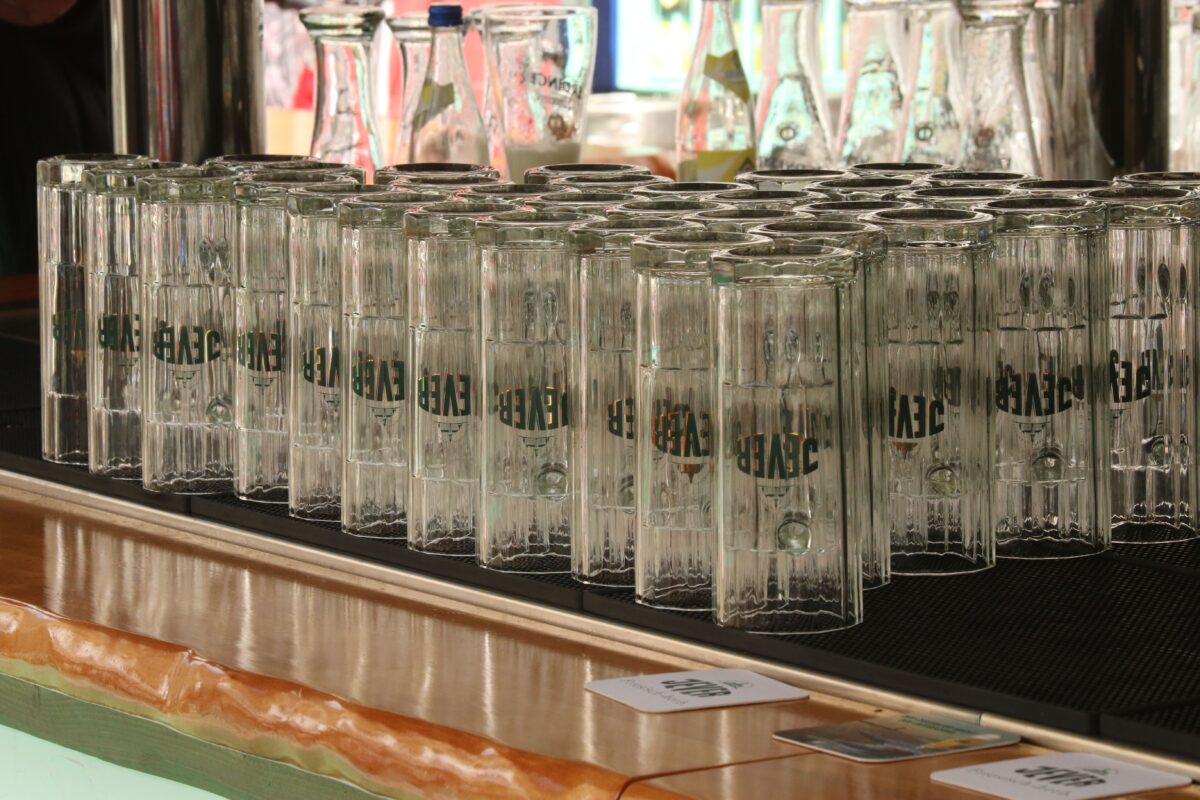
The brewery visit: the Weihenstephan brewery tour gives the malting, the brewing, and the yeast management visible at the industrial scale that the monastery operation has become. The beer garden at the brewery (the Bräustüberl — the restaurant-beer garden on the brewery hilltop) gives the weissbier (the Bavarian wheat beer — the banana-clove aroma from the specific yeast strain, the 5.4% ABV, the 0.5 litre serving in the dimpled glass): €4.20 / £3.62.
Getting there: S-Bahn from Munich Marienplatz to Freising (40 minutes, €6.20 / £5.34), then 10 minutes on foot to the hilltop brewery.
The Oktoberfest (Munich, late September-early October):
The Oktoberfest is not the authentic Germany beer tourism — it is the world’s largest folk festival and beer celebration, attended by 6-7 million people, the beer served exclusively in the 1-litre stein by the specific six Munich breweries (the Augustiner, the Spaten-Franziskaner, the Hofbräu, the Löwenbräu, the Paulaner, the Hacker-Pschorr) who have the exclusive Oktoberfest contract. The beer is the Märzen (the amber lager, the specific October seasonal style) at €15-17 / £12.93-14.65 per stein.
The authentic Bavaria alternative: the Augsburg and the Bamberg (the Bavarian city with the 10 breweries for a population of 77,000 — the highest brewery per capita density in the world, the Bamberg Rauchbier (the smoked beer, the malt kilned over beechwood giving the specific smoked meat flavour that the Bamberg beer has had since the 18th century) at the Schlenkerla tavern (Dominikanerstraße 6 — the Schlenkerla Rauchbier from the gravity-fed tap at the tavern, the beer in the same form as it has been served since 1678)).
Belgium — The Trappist Six (and the One)
Belgium produces the beer that the global specialty beer community regards as the pinnacle of the tradition: the Trappist beer (the beer brewed by or under the supervision of Trappist monks within the monastery walls, the six Belgian Trappist breweries — the Westvleteren, the Chimay, the Rochefort, the Westmalle, the Achel, the Orval — plus the non-Belgian Trappist breweries).
The Westvleteren 12:
The Westvleteren 12 (the beer brewed at the Saint Sixtus Abbey in Vleteren — the beer that the RateBeer and the BeerAdvocate communities have rated the world’s best beer repeatedly since 2005, the 10.2% ABV quadrupel that is available only at the brewery’s own café (In de Vrede) and through the brewery’s reservation system).
The specific Westvleteren access: the brick-and-mortar purchase requires the telephone reservation (the brewery telephone line, open specific hours, the reservations released in advance — the system designed to prevent the commercial re-sale). The café (In de Vrede, adjacent to the abbey) sells the beer without reservation at the café price of €3.50 / £3.02 per 33cl bottle — the most accessible format.
Getting there: Vleteren is 20km south of Ypres (the WWI site). Combine the Flanders Fields WWI tour with the Westvleteren visit — the specific Belgium combination of the darkest history and the finest beer in the same day.
The Rodenbach Brewery (Roeselare):
The Rodenbach Grand Cru (the Flemish red ale — the specific style that the Rodenbach produces, the beer aged in the 294 oak foeders (the large wooden aging vessels, each holding 60,000-650,000 litres of maturing beer, the foeders visible in the brewery as the forest of oak barrels that the brewery tour walks through)):
The brewery tour: €12 / £10.34 including the tasting. The Rodenbach Grand Cru at the brewery: €2.50 / £2.16 per 25cl glass — the beer that costs £4-5 in the UK specialty bottle shop at the source price.
The Czech Republic — Pilsner Country
The pilsner was invented in Plzeň (Pilsen) in 1842 — the specific collaboration between the Pilsen Civic Brewery and the Bavarian brewer Josef Groll that produced the world’s first golden lager and that gave the beer style that now accounts for approximately 75% of all beer consumed globally.
The Pilsner Urquell Brewery (Plzeň):
The original brewery (the Prazdroj in Czech — the source or wellspring, the specific word that Pilsner Urquell translates to in German): the unfiltered, unpasteurised tank beer (tankové pivo) served in the brewery cellars at the guided tour’s end.
The tank beer is the specific Pilsner Urquell product that the export version cannot replicate — the unpasteurised beer kept at 2°C in the brewery’s steel tanks, the bright, clear, fresh beer at the specific freshness that the bottling and the export processing removes. At the brewery: CZK 60 / £2.07 per half litre.
The tour: CZK 350 / £12.07. Getting there: the direct bus from Prague Florenc (1.5 hours, CZK 120 / £4.14).