


The packing guide that gives the system rather than the packing list: the packing list is the output of the system, not the input. The system is the constraint-first framework (the 55cm × 40cm × 20cm, 10kg, these are the walls of the room you’re furnishing), the clothing selection principle (the five-day repeating capsule, not the fourteen separate outfits), the weight savings that matter versus the weight savings that don’t (the toiletry miniatures save 400g but require the airport Boots; the microfibre towel saves 500g and needs no replenishment), and the specific packing sequence that converts the chaotic pile into the organised case in 20 minutes. The traveller who reads this guide once and applies the system once does not need to read another packing guide.
Reading time: 7 minutes | Last updated: 2026
The Constraint Is the Guide
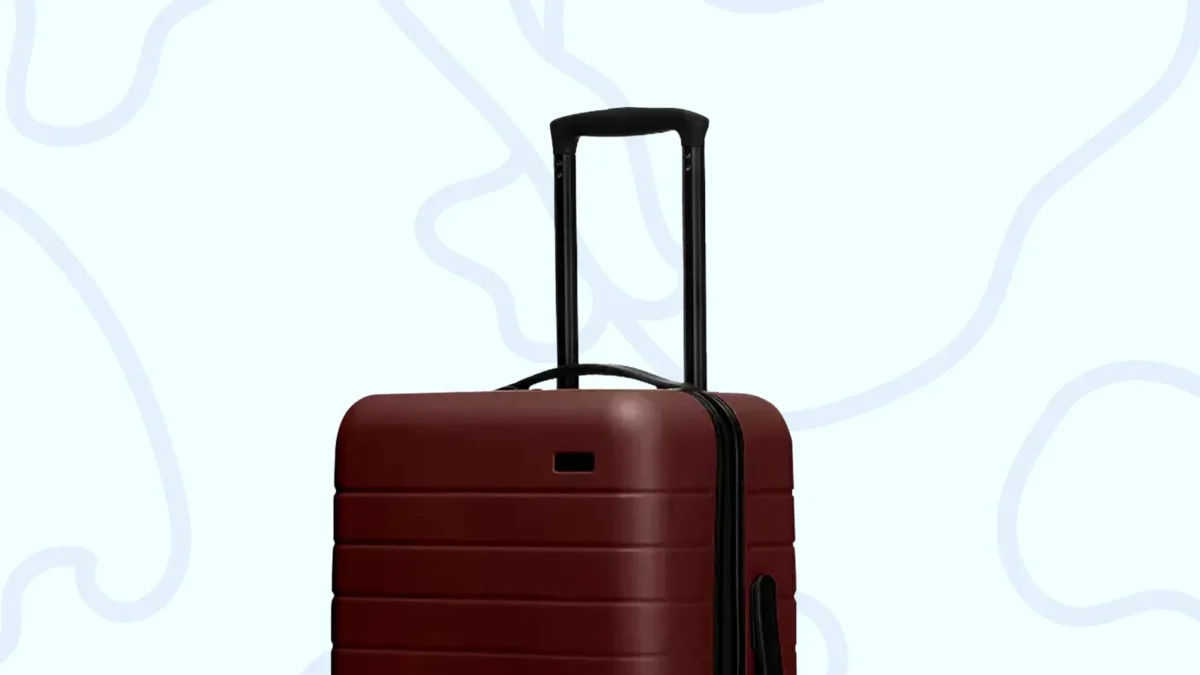
The budget airline carry-on allowance: 55cm × 40cm × 20cm, 10kg. The full-service airline carry-on allowance: typically 56cm × 45cm × 25cm, up to 12kg. The personal item (under-seat bag): 40cm × 30cm × 15cm, not weighed on most airlines.
The system uses both:
The carry-on (roller or backpack): clothing, shoes, toiletries. The personal item (small daypack): electronics, documents, valuables, in-flight needs.
Nothing is checked. The two-bag system fits every airline’s allowance that matters.
The 5-3-2 Clothing System
5 tops: Neutral colours that combine with each other. Navy, white, grey, olive — the four bases. One patterned top as the statement piece. Five tops, four bases, one statement: every combination works.
3 bottoms: One walking trouser or dark-wash jeans (the versatile bottom that goes everywhere without looking worn). One chino or lightweight smart trouser (the restaurant, the nicer evening). One shorts or lightweight skirt (the beach, the hot-weather day).
2 shoes: One hybrid walking shoe that handles the temple, the hike, and the restaurant without embarrassment. One sandal or lightweight second shoe for the beach, the hostel, the resort.
The maths: Five tops × three bottoms = fifteen outfit combinations. With the two-shoes rotation, the fourteen-day trip runs on a five-day clothing repeat with two wash days.
The wash days: Day 5-6 and Day 10-11. The Merino wool and the quick-dry synthetic fabrics dry overnight in the hotel room. Cotton dries in 24-36 hours. Plan the wash day around the rest day or the travel day when the clothes hang in the room while you’re in transit.
The Non-Clothing Decisions
The toiletries: The 100ml limit for the carry-on liquid bag means the full-size product stays home. The specific weight-saving alternative that beats the miniature: the solid product. The shampoo bar (100g, replaces the 300ml bottle), the solid conditioner (60g), the bar soap (80g). Combined: 240g versus the liquid equivalents at 680g. The saving is real and the products are available at every Boots.
The shoes: Never pack three pairs. Two pairs cover every two-week scenario. The third pair is the weight and the volume that converts the carry-on from comfortable to compressed.
The jacket: The packable down jacket (the Uniqlo Ultra Light Down at 250g, packs to a water-bottle-sized bundle) versus the cotton bomber jacket (600-800g, does not compress). The 400g saving between them is the difference between the carry-on that weighs 9.2kg and the carry-on that weighs 9.6kg. The Uniqlo is also warmer. Full detail: Best Packable Down Jackets.
The towel: The microfibre travel towel (200g, dries in 45 minutes) versus the standard bath towel (500-700g, dries overnight if at all). The 300-500g saving is the saving that nobody notices until they’re repacking on Day 7 and wonder why the bag feels lighter than departure.
The Packing Sequence
Step 1: The shoes. Place at the back of the bag (closest to the wheels on a roller, closest to the back panel on a backpack). The heaviest items closest to the structural axis.
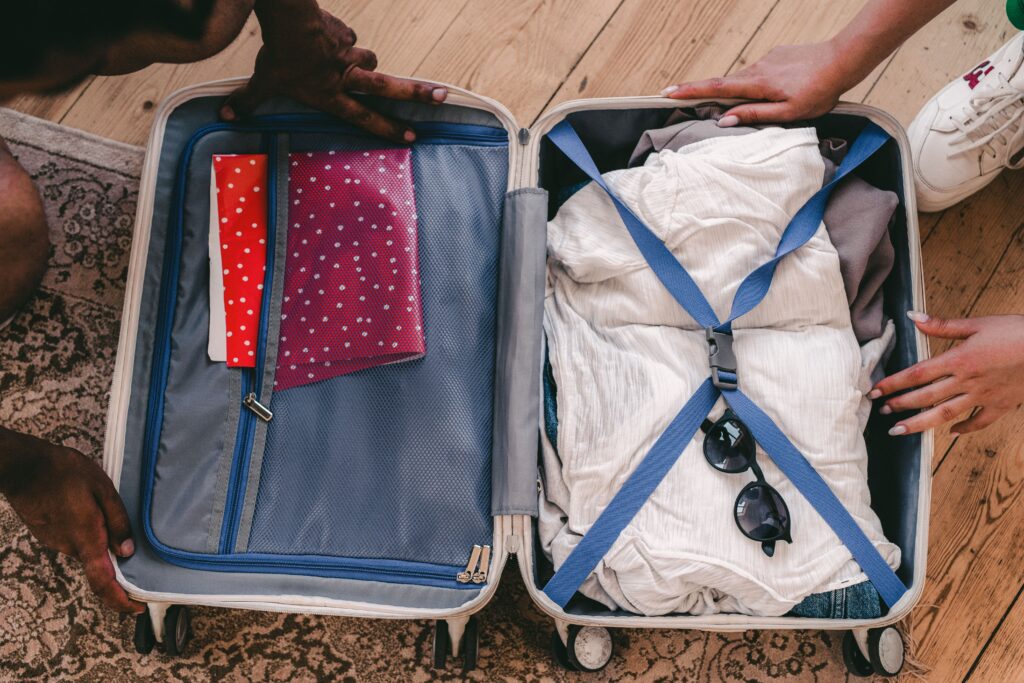
Step 2: The compression cube. The clothing rolled and compressed into the flat compression packing cube. The rolling method (roll from the hem upward, compress the air out, zip the compression layer): the cube at 50% of the loose-clothing volume. Full detail: Best Packing Cubes.
Step 3: The cube on the shoes. The flat cube fits beside or on top of the shoes. The specific geometry of the carry-on is now the shoes at the back, the clothing cube filling the main space.
Step 4: The toiletries. The small transparent cube at the top, accessible for the security screen without unpacking everything.
Step 5: The jacket. Compressed into its own pocket, tucked into the remaining space. Or worn on the flight (the heaviest single garment is always the one you wear, not the one you pack).
The personal item: The electronics (the laptop in the dedicated laptop sleeve), the passport and documents, the medication, the valuables. Everything you need during the flight, nothing that can wait in the overhead bin.
The Weight Check
Before closing: The bathroom scales. Step on holding the bag. Subtract your weight. The result is the bag weight. Target: under 9kg for the 10kg limit (the 1kg buffer for the airport scales that weigh heavier than your bathroom scales). If over 9kg: remove the item you’re least sure you’ll use. The item you’re least sure you’ll use is always the right item to remove.