
The route that gives the Netherlands the depth that the Amsterdam weekend breaks skips entirely: two days in Amsterdam for the canal belt at 6am (the specific pre-tourist Amsterdam that the 7am Airbnb check-in gives), the Anne Frank House (book 2 months ahead — the website releases tickets on specific dates and they sell out within minutes, the specific wait that is the cost of the experience the diary made necessary to create), and the Rijksmuseum (the Vermeer, the Rembrandt, the Delftware collection — the Dutch Golden Age at the scale that requires 3 hours minimum and rewards 5), two days in Rotterdam for the Markthal (the 2014 market hall that the Dutch design community built as the argument that food and architecture can occupy the same building at the highest level of both) and the cube houses and the port (the largest port in Europe — the Maasvlakte visible from the Euromast, the container ship visible from the Erasmus Bridge in both directions simultaneously), and three days in the Hoge Veluwe National Park (the largest national park in the Netherlands — the free white bicycles (Witte Fietsen) visible throughout the park, the Kröller-Müller Museum (the Van Gogh collection second in size only to the Amsterdam Van Gogh Museum, visible in the forest without the Amsterdam queue), and the Veluwe heathland (heide) in August when the heather is purple).
Reading time: 10 minutes | Last updated: 2026
Before You Leave
Getting there: Fly London-Amsterdam (KLM, British Airways, easyJet, Ryanair — 1.5 hours from £30) or take the Eurostar London-Amsterdam (3.5 hours direct, £50-120 return, the zero-airport experience). The Netherlands is Schengen — UK citizens visa-free 90 days.
Currency: Euro. The Netherlands is expensive by European standards — the daily budget: €80-130 / £68-112 mid-range.
The train network: The NS (Netherlands Railways) connects Amsterdam, Rotterdam, Utrecht, The Hague, and Leiden in 30-60 minutes. The OV-chipkaart (the rechargeable transport card) or the contactless credit/debit card works on all NS trains and GVB trams.
The Route
Amsterdam (2 nights) → Rotterdam (2 nights, 40 minutes by Intercity train) → Hoge Veluwe / Arnhem base (3 nights)
DAYS 1-2 — Amsterdam
Day 1: The Rijksmuseum and the Canal Belt
6am — The Canals:
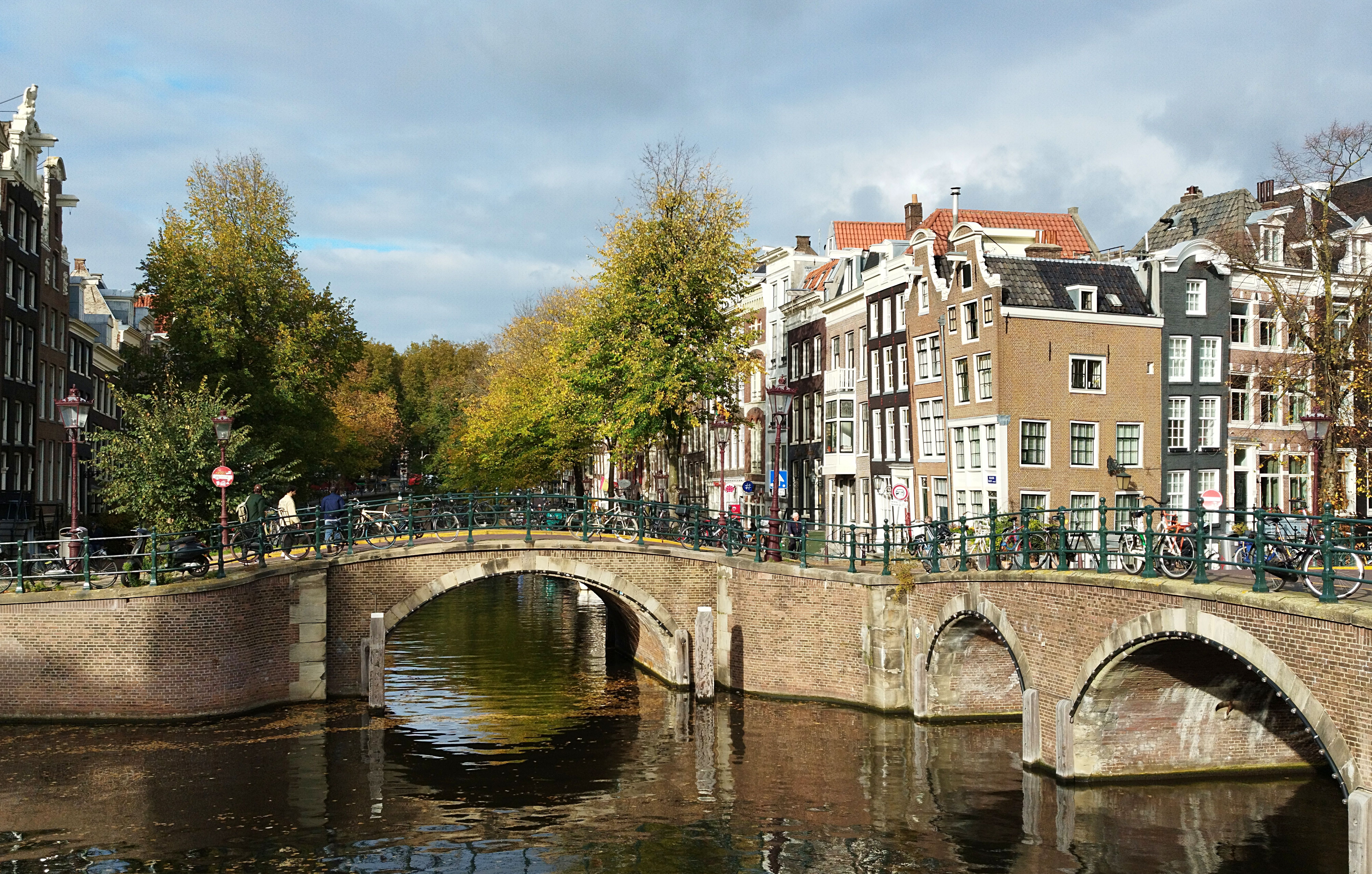
The Amsterdam canal belt (the 17th-century UNESCO ring of canals — the Herengracht, the Keizersgracht, the Prinsengracht, the specific Amsterdam geometry of the canal-and-bridge visible in the early morning before the tourist cycles begin):
At 6am: the canals in the first light, the houseboats visible at the mooring, the bridge arches reflecting in the still water, the specific Amsterdam morning that the houseboat owner experiences daily and that the 7am Airbnb check-in gives the visitor briefly.
10am — The Rijksmuseum:
The Rijksmuseum (the 1885 national museum on the Museumplein — the Dutch Golden Age collection):
The Night Watch (De Nachtwacht, Rembrandt 1642 — the 3.63 × 4.37 metre militia painting, the largest canvas in the collection, the room designed around it, the specific Rembrandt that the Rijksmuseum rebuilt the museum entrance to accommodate at the 2013 reopening): book at rijksmuseum.nl for the timed entry (€22.50 / £19.39).
The Delft room: the Dutch Delftware (the blue-and-white tin-glazed earthenware, the Johannes Vermeer paintings from the Delft period visible in the adjacent gallery, the specific Dutch ceramics and painting tradition visible at the same address).
Day 2: The Anne Frank House and Jordaan
The Anne Frank House:
The Anne Frank House (Prinsengracht 263-267 — the house where Anne Frank and 7 others hid for 761 days between 1942 and 1944, the Secret Annex (Achterhuis) visible from the entrance before the staircase behind the bookcase):
The bookcase (the swinging bookcase that concealed the staircase to the Secret Annex — the specific 20th-century architectural object): entry €16 / £13.79, booked at annefrank.org on the specific release dates (2 months ahead for the peak season).
The Jordaan:
The Jordaan (the 17th-century workers’ neighbourhood — the hofjes (the hidden courtyards behind the street-level doors), the Noordermarkt (the Monday antiques market and Saturday organic food market), the specific Amsterdam neighbourhood that the tourist economy has not consumed because the residents have not left):
The stroopwafel fresh off the griddle (the Noordermarkt stroopwafel stall — the thin caramel waffle made to order, the caramel visible melting in the waffle press, the specific Amsterdam street food): €2-3 / £1.72-2.59 each.
DAYS 3-4 — Rotterdam
Day 3: The Markthal and the Architecture
The Markthal:
The Markthal (Dominee Jan Scharpstraat 298 — the 2014 MVRDV-designed market hall, the horseshoe-shaped residential building with the 11,000 square metre artwork (Cornucopia by Arno Coenen and Iris Roskam) covering the interior ceiling arch, the market stalls visible below the artwork):
The market stalls: the stroopwafel, the bitterballen (the Dutch deep-fried ragout balls, the mosterd (mustard) alongside), the haring (the raw herring with the onion), and the full range of the Rotterdam food hall at the lunch hour. Entry: free.
The Cube Houses:
The Cube Houses (Kubuswoningen, Overblaak 70 — the 1984 Piet Blom design, the 38 houses tilted at 45° on the hexagonal pole, the show cube (Kijk-Kubus) open for the interior visit): €3.50 / £3.02.
Day 4: The Erasmus Bridge and the Port
The Erasmus Bridge:
The Erasmus Bridge (Erasmusbrug — the 1996 cable-stayed bridge, the “Swan” (the single asymmetric pylon gives the swan profile visible from the south bank), the specific Rotterdam visual identity):
The Euromast:
The Euromast (the 185-metre observation tower — the Rotterdam port visible in both directions, the largest port in Europe visible from the platform (the Maasvlakte container terminal 40km west), the Erasmus Bridge visible below): €17.50 / £15.09.
DAYS 5-7 — Hoge Veluwe and the Kröller-Müller
The train to Arnhem:
Arnhem (the Gelderland city, 1 hour from Rotterdam by Intercity — the gateway to the Hoge Veluwe):
The Kröller-Müller Museum:
The Kröller-Müller Museum (in the Hoge Veluwe National Park — the Van Gogh collection: 87 paintings and 180 drawings, the second largest Van Gogh collection in the world after the Van Gogh Museum in Amsterdam):
The outdoor sculpture garden (the largest sculpture garden in Europe — the Rodin, the Maillol, the Serra, the Lipchitz visible among the trees):
Entry to the park + museum: €22.50 / £19.39.
The White Bicycles:
The Witte Fietsen (the free white bicycles available throughout the Hoge Veluwe park — 1,800 bicycles available for the park visitor, the cycling the correct way to see the heathland and the forest): included in the park entry.
The heather in August:
The Veluwe heathland (heide) in August (the heather (Calluna vulgaris) in full purple bloom, the specific Netherlands landscape that the canal city does not suggest exists within 70km): the heath visible from the bicycle path through the park’s southern section, free with the park entry.
What It Costs
| Category | Budget | Mid-Range |
|---|---|---|
| Return (London-Amsterdam Eurostar or flight) | £50-120 | £60-200 |
| 7 nights accommodation | £175-420 | £420-980 |
| Food (7 days) | £50-120 | £120-300 |
| Rijksmuseum + Anne Frank | £32 | £32 |
| Rotterdam + Euromast | £19 | £19 |
| Hoge Veluwe + Kröller-Müller | £22 | £22 |
| Trains (Amsterdam-Rotterdam, Rotterdam-Arnhem) | £20-35 | £20-35 |
| Total | £368-768 | £693-1,588 |