
The Golden Week guide for the visitor who has booked Japan for April 29 to May 5 and who has now discovered that they have booked Japan for the week when Japan is least itself: when the 126 million Japanese who have 5-7 days of consecutive national holidays simultaneously activate their domestic tourism industry, turning the Kyoto temples into the Tokyo morning commute, filling every Shinkansen seat from February, and demonstrating the specific Japanese capacity for the organised crowd that impresses and overwhelms in equal measure. This guide gives the specific Golden Week survival framework — what to book immediately, what to avoid entirely, what to do instead, and why the Golden Week Japan is a different Japan from the April 27 Japan that preceded it by 48 hours.
Reading time: 8 minutes | Last updated: 2026
What Golden Week Is
Golden Week (Ōgon Shūkan) is the constellation of national holidays between April 29 and May 5:
| Date | Holiday | Significance |
|---|---|---|
| April 29 | Shōwa Day (Shōwa no Hi) | Birthday of Emperor Shōwa (Hirohito) |
| May 3 | Constitution Memorial Day (Kenpō Kinenbi) | The 1947 Constitution |
| May 4 | Greenery Day (Midori no Hi) | Nature and environment |
| May 5 | Children’s Day (Kodomo no Hi) | The koinobori (the carp streamers) flown for the children |
The April 30 and May 1-2 days (the weekdays between the holidays) are typically used as annual leave by most Japanese workers, creating the 7-10 day consecutive break that the domestic tourism industry accommodates at the 3-4× normal volume.
What Happens to Japan During Golden Week
The Shinkansen: All Nozomi (the fastest Shinkansen) seats on the Tokyo-Osaka-Kyoto corridor are fully reserved by late February. The unreserved (jiyū-seki) cars have standees by 8am on the peak travel days (April 29-30 and May 3-4). If you haven’t booked the reserved seat before Golden Week: the early morning trains (the first Nozomi at 6am) are the only reliable option.
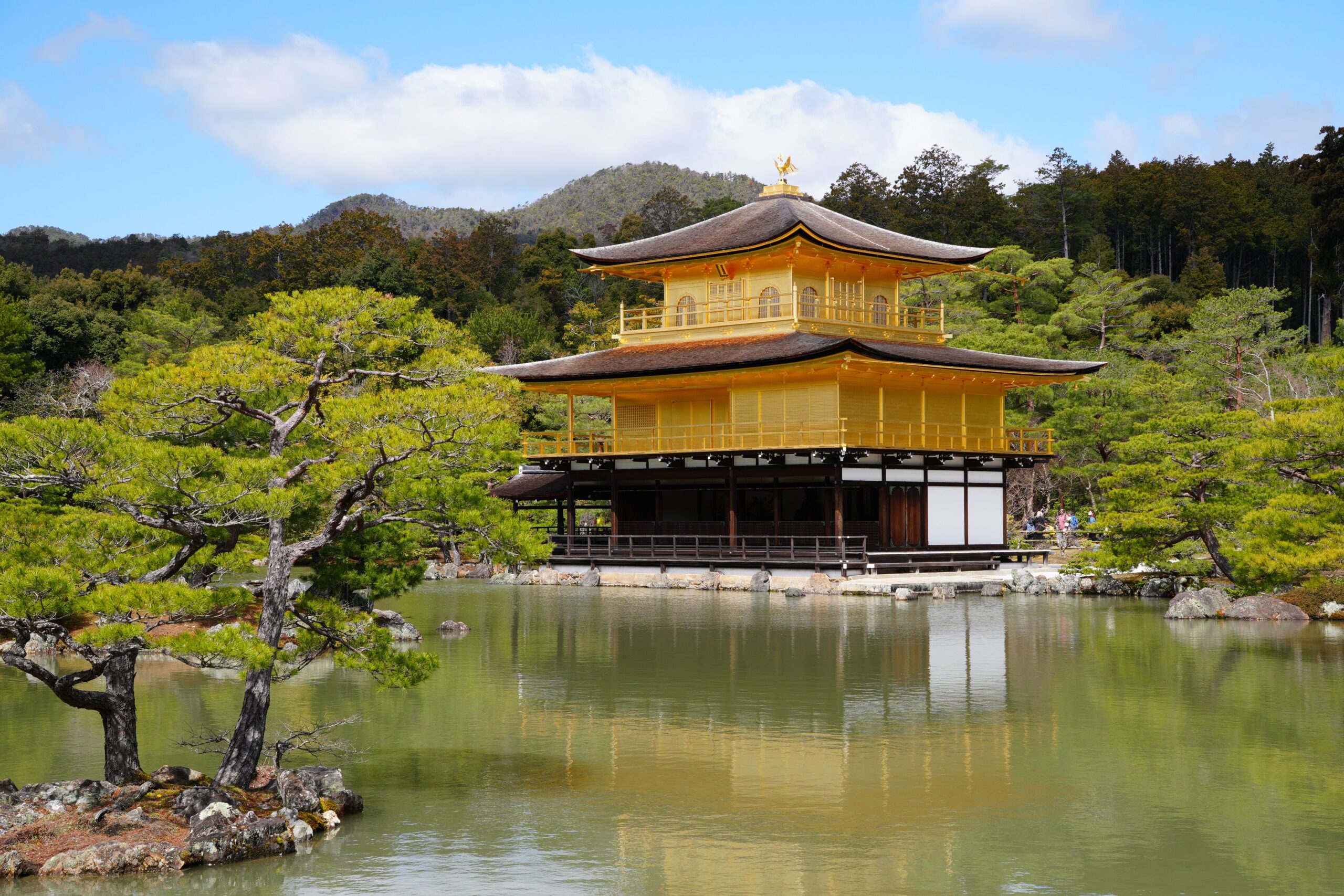
The Kyoto temples: The Fushimi Inari torii gate path (the usual peak: Saturday at 10am, 2,000 visitors visible on the lower path). During Golden Week: the Saturday 10am crowd is the baseline for every morning of the week.
The hotels: The Golden Week premium (the hotel price for April 29-May 5 versus the same hotel for April 14-21): typically 40-80% higher across Kyoto, Osaka, and Tokyo. The accommodation that shows availability during Golden Week at the normal price has either the location or the quality problem that explains the availability.
The Survival Framework
Book these immediately (if still available):
The Shinkansen reserved seat (shitei-seki): bookable 1 month before travel through the JR Pass (if using the pass) or the JR Ticket Office. The specific Golden Week booking window opens exactly 1 month before the travel date — set the reminder.
The Kyoto accommodation outside the most in-demand options: the ryokan and the boutique hotel in Kyoto book out for Golden Week by January-February. If the Kyoto accommodation is not booked by March, consider the Osaka base with the day trip to Kyoto (the Osaka Golden Week density is lower; the 15-minute Shinkansen to Kyoto is the faster commute than the Kyoto traffic).
Use the Golden Week pattern:
The domestic Japanese tourist moves predictably: the major cities (Tokyo, Kyoto, Osaka) on the first 3 days, the resort destinations (Hakone, Nikko, the Izu Peninsula) in the middle days, the return journey on the final 2 days. The pattern gives the specific windows:
- April 29-30: The major cities at maximum density. If in a major city: go early (before 9am) or late (after 4pm).
- May 1-2: The resort destinations at maximum density; the cities fractionally quieter.
- May 3-5: The return journey begins. The afternoon of May 5 is the most congested single transport moment of the year.
The Golden Week alternative itinerary:
The destinations that the domestic tourist does not prioritise during Golden Week: the rural Tohoku (Matsushima, Hirosaki — the cherry blossom extends to Aomori in early May), the San’in coast (the Tottori Sand Dunes, the Izumo Grand Shrine, the specific Japan Pacific coast that the Golden Week tourist skips), and the Shikoku (the 88-temple pilgrimage circuit, the henro (the pilgrims in the white oizuru) visible on the island throughout the year and at lower tourist density than the main island equivalents).
The Specific Golden Week Experiences Worth Having
The koinobori:
The carp streamers (koinobori — the fabric carp flown from the pole for Children’s Day on May 5, the carp as the symbol of strength and perseverance in Japanese tradition, the koinobori visible across Japan from late April): the most specifically Japanese May visual, free to observe from any rural or suburban street.
The Awa Odori preparation (Tokushima, Shikoku):
The Awa Odori (the August festival — but the dance groups practising in the Tokushima parks visible during Golden Week as the rehearsal season begins): the awa odori dance (Awa is the historic name for the Tokushima area, the odori is the dance) in the public parks at the rehearsal level in May.
The Golden Week Sumo Tournament (Tokyo):
The Natsu Basho (the Summer Grand Sumo Tournament) takes place in Tokyo in May — typically beginning the second Sunday of May, the 15-day tournament running through late May. Tickets at the Ryōgoku Kokugikan (the sumo arena in Sumida) are available on the day for the upper tier seats if the advance tickets have sold out.