
The honest travel guide that the destination marketing board cannot publish: every place changes, and the specific change that tourism accelerates is the transition from the place that exists for the people who live there to the place that exists for the people who visit. The Hội An that the travel magazine discovered in 2008 is not the Hội An of 2025, in the specific way that the 2008 discovery created the 2025 tourist economy that replaced the fishing town it discovered. The Tbilisi that the digital nomad community arrived in 2019 is not the Tbilisi of 2025, in the specific way that the digital nomad community raised the rents that displaced the population that made the city interesting. This guide names the places currently in the pre-change window — the specific destinations that are what they are now and will be different in 5-10 years — and names, honestly, the places that have already completed the transition and that the visitor who goes for what the 2010 guidebook described will not find.
Reading time: 9 minutes | Last updated: 2026
The Places That Have Already Changed
Hội An, Vietnam — Changed
What the travel article described (2008-2015): The ancient trading port, the lanterns, the tailors, the Japanese covered bridge, the specific Hội An that the 1999 UNESCO designation protected in form and that the tourism economy subsequently commercialised in function.
What it is now (2025): The ancient trading port with the lanterns and the tailors and the Japanese covered bridge, and 2 million annual visitors, and the tailors who know the Instagram poses, and the restaurants with the QR code menus in six languages, and the Ancient Town entry fee (VND 120,000 / £3.76), and the 10pm light show, and the Grab drivers who know the word “Airbnb.”
Is it still worth visiting? Yes. The architecture is intact (the UNESCO protection ensures this). The specific Hội An quality — the Ancient Town at 6am before the doors open, the lanterns in the rain, the specific light on the Thu Bồn River at dusk — these are still real. The 2008 version is gone. The 2025 version is different and still specific.
The honest instruction: Go in the low season (September-October, the typhoon shoulder), go at 6am, and set the expectation for what is there rather than what was.
Bali, Canggu — Changed
What the travel article described (2015-2018): The rice paddies, the surf, the cafés where the digital nomad community self-organised, the specific Canggu that was the insider alternative to Seminyak.
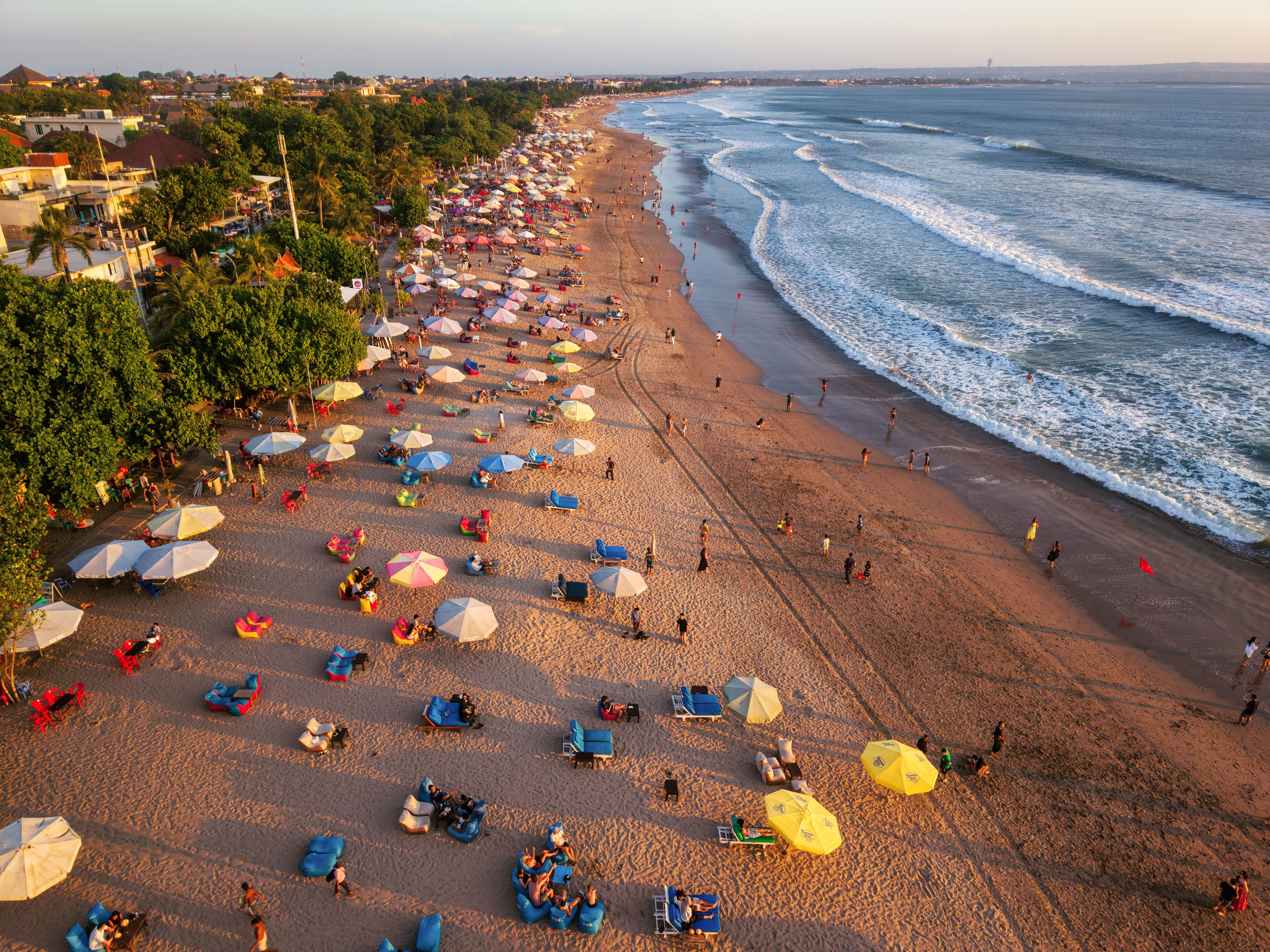
What it is now: Canggu has more co-working spaces than rice paddies visible from the main road. The Echo Beach surf is real; the road to it is the traffic jam through the villa developments. The “hidden gem” is indexing at 400 TikTok tags per week.
The honest instruction: Go to Canggu for the surf (still excellent) and the food (still good). Do not go for the “authentic Bali” — the Amed, the Sidemen, the Munduk give what Canggu gave in 2015 without the acknowledgement that they will be the next Canggu in 5-7 years.
Dubrovnik, Croatia — Changed
Full coverage: Overtourism — 12 Destinations That Are Suffering. The specific changed-destination note: the old city population has halved since the Game of Thrones effect (2012-2019) made Dubrovnik the single most recognisable travel destination in the Adriatic. The locals who remain in the old city are largely dependent on the tourism economy; the locals who left are in the suburbs. The city walls are the same walls. The city they contain has reorganised entirely around the visitor.
The Places Currently in the Change Window
These are the destinations where the transformation is visible but not complete — the window that closes in the next 5-10 years.
Tbilisi, Georgia — Changing Now
What it is: The Georgian capital that the backpacker community arrived at in earnest around 2018, the digital nomad community in 2022 (the Russian and the Ukrainian population arrival following the full-scale invasion in February 2022 significantly accelerated the Tbilisi gentrification), and that the mainstream travel market is currently discovering.
The change visible: The Fabrika (the Soviet sewing factory converted to the creative hub — the concept that gave every subsequent Tbilisi hipster development its template) opened in 2016 and gave the specific Tbilisi that the first-wave visitors described. The Fabrika is now the tourist stop on the Tbilisi walking tour. The restaurants around it have raised their prices by 40% in 3 years.
The window: The Mtatsminda neighbourhood (the cable car from the rose garden, the old Tbilisi houses on the hill, the churchkhela (the walnut and grape candy) at the street stall) is in the 2018 Fabrika position. The Vake Park area (the residential park neighbourhood that the Tbilisi population uses on Sunday) is not yet the tourist destination. Go now for both.
The specific prediction: The Marriott opened in Tbilisi in 2024. The first Marriott is the specific tourism development milestone.
Medellín, Colombia — Changing Now
Full coverage: Medellín in 48 Hours and 7 Days in Colombia. The specific change context: the transformation story (from the world’s most dangerous city to the most innovative city) has become the marketing story that the transformation created the audience for. The El Poblado neighbourhood is now priced comparably to the equivalent in European capitals. The gentrification that the cable car enabled in the comunas is the specific urban development story that the cable car was also trying to prevent.
The window: The Laureles neighbourhood (the specific Medellín residential area that the El Poblado tourist economy hasn’t fully reached) and the Belén (the southern neighbourhood with the local market and the local price) are the current window.
Oaxaca, Mexico — Changing Now
What it is: The Mexican state capital that the food world discovered around 2016 (the Oaxacan food — the tlayuda, the mole negro, the mezcal — given the international profile that the food travel media produced) and that the remote-work population discovered in 2020-2022.
The change: The mezcal bar that opened on the Santo Domingo square in 2018 for the Mexican visitor is now on the Condé Nast list and priced for the New York visitor. The artisan mezcal at the Etla valley distillery is still the Etla valley price.
The window: The Etla valley (the Monday market, the mezcal at the source), the Tlacolula market (the Sunday market with the tasajo and the chapulines), and the Sierra Norte villages (the expediciones sierra norte ecotourism circuit, the cloud forest, the indigenous Zapotec community hosting) are in the pre-change window.
Sarajevo, Bosnia — Early Window
What it is: The Bosnian capital that the post-war reconstruction made a genuine story of rebuilding, that the specific Sarajevo (the city that contains the Orthodox church, the Catholic cathedral, the mosque, and the synagogue within 500 metres of each other and that calls this the Jerusalem of Europe) gives the most historically layered single European city outside Rome.
The current state: Sarajevo receives approximately 400,000 international tourists per year (compared to Dubrovnik’s 4 million). The Baščaršija bazaar is the tourist zone; the Bjelave neighbourhood above it is entirely local. The burek at the Sarajevo Ćevabdžinica costs BAM 3 / £1.29. These facts will not all remain simultaneously true in 10 years.
The specific window: The Vijećnica (the National Library, rebuilt after the 1992 fire that destroyed it during the siege — the building that the architects restored to the specific 1896 Austro-Hungarian state), the Tunnel of Hope (the 800-metre tunnel under the airport that supplied the besieged city during the 1992-1995 siege), and the Yellow Bastion (the Ottoman fortress above the city, free, the specific Sarajevo view without the tourist infrastructure) are the current specific Sarajevo at the right moment.
Cape Verde — Early Window
What it is: The Atlantic archipelago 570km off the West African coast — the 10 islands that the UK package holiday discovered as the reliable winter sun (the Sal island, the Santa Maria beach resort) and that the rest of the island group remains largely in the pre-package state.
The window: The Santo Antão (the volcanic northern island, the ribeira (the valley) walking circuit, the grogue (the sugarcane spirit) at the village still) and the São Vicente (the Mindelo city, the Cape Verdean music scene — the morna (the melancholy fado-adjacent Cape Verdean tradition)) are 10-15 years behind Sal in the tourism development cycle.