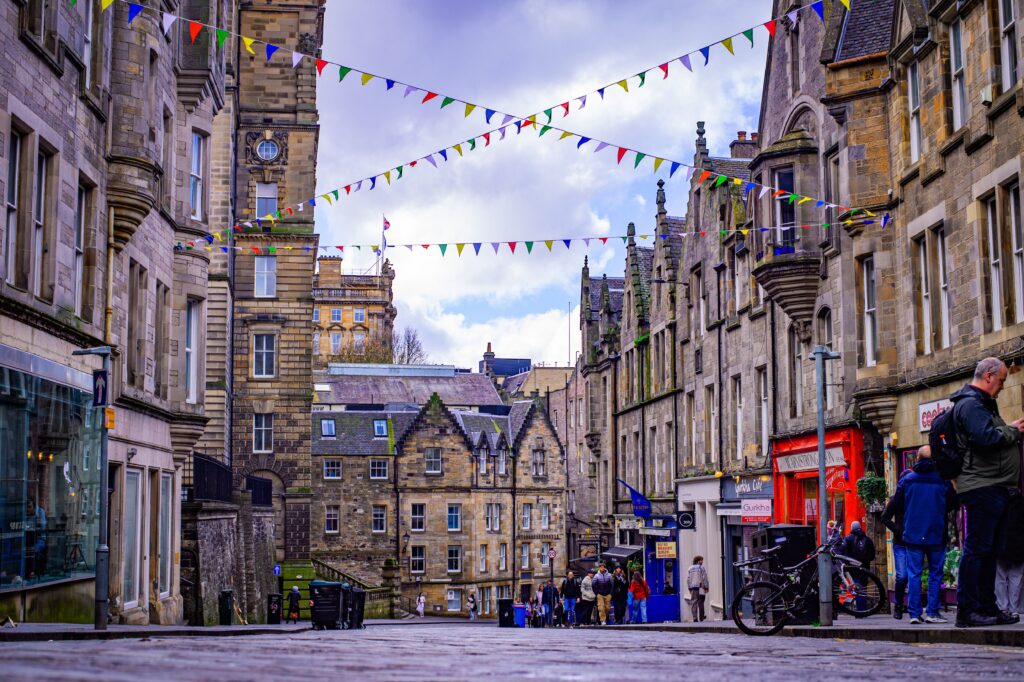

The route that gives Colombia in its full range: two days in Bogotá (the altitude capital with the finest pre-Columbian gold collection in the world and the most specific street food in South America), two days in the Coffee Region (the UNESCO landscape, the village architecture, the farm that lets you follow the process from cherry to cup), and three days in Cartagena (the walled colonial city, the Rosario Islands, and the specific Colombia that the Caribbean coast has developed independently of the Andean interior).
Reading time: 11 minutes | Last updated: 2026
Colombia is the most biodiverse country in the world per square kilometre, the second most biodiverse overall, the country that produces the world’s finest coffee (disputed but defensible), and the country whose transformation in the past 25 years from the most violent in the Western Hemisphere to a functional democracy with a growing tourist economy is the most significant political and social story in South America.
Seven days covers the three most distinct regions: the Andean capital, the coffee farmland, and the Caribbean coast. It doesn’t cover everything — Colombia rewards multiple trips. But it covers the foundation.
Before You Leave
The altitude: Bogotá sits at 2,640 metres above sea level. Mild altitude symptoms (headache, fatigue, slight breathlessness) are common on the first day. The standard acclimatisation advice: drink water, avoid alcohol on Day 1, walk slowly. Acute Mountain Sickness is rare at Bogotá’s altitude but possible — Diamox (acetazolamide) available on prescription from your GP if concerned.
The currency: Colombian Peso (COP). £1 ≈ 5,300-5,500 COP (variable — check at XE before departure). The blue dollar doesn’t apply in Colombia (unlike Argentina) — the official rate is the correct rate. Cash is useful for markets and taxis; cards accepted at most restaurants and hotels.
Flights: Bogotá El Dorado (BOG) is the entry point. The Colombia internal flights (Avianca, LATAM, Viva Air) between cities are inexpensive booked in advance — the Bogotá-Medellín or Bogotá-Cartagena flight is typically €40-80 / £34.48-68.97.
The Route
Bogotá (2 nights) → Coffee Region, Salento base (2 nights) → Cartagena (3 nights)
Transit: Bogotá-Armenia (fly, 45 minutes, or bus 6 hours) → Armenia to Salento (taxi 45 minutes) → Salento to Cartagena (fly Armenia-Cartagena, 1.5 hours)
The 7 Days
DAY 1 — Arrive Bogotá
Afternoon: La Candelaria
Bogotá sits at 2,640 metres. Arrive, check in, drink water. Walk, don’t run.
The La Candelaria neighbourhood (the colonial historic centre — the grid of narrow streets between the Plaza de Bolívar and the Cerro de Monserrate) in the late afternoon: the Plaza de Bolívar (the central square flanked by the Capitol, the Cathedral, the Palace of Justice, and the city hall — the most historically layered single square in Colombia), the Iglesia de la Tercera Orden (the 17th-century church, the most intact colonial interior in Bogotá), and the Chorro de Quevedo (the small plaza at the western end of La Candelaria, the point where the founder of Bogotá Gonzalo Jiménez de Quesada established the first settlement in 1538 — now the bohemian square with the street musicians and the artisanal market).
The specific Bogotá safety note: La Candelaria is a working neighbourhood with a pickpocket risk at the level of any comparable South American historic centre. Carry a cheap phone, don’t display cameras, walk with purpose in the main streets.
Evening: Dinner in the Zona Rosa
The Zona Rosa (the upscale commercial district north of the centre — Calle 82 and the surrounding streets): the most accessible dinner neighbourhood for first-night Bogotá, the security visible, the restaurants varied.
Leo (Calle 27b #6-75 — Leonor Espinosa’s restaurant, the most celebrated in Colombia, two Michelin stars, the Amerindian ingredients from Colombia’s six ecosystems): book at restaurante-leo.com 4-6 weeks ahead. The tasting menu from COP 350,000 / £63.64.
The accessible alternative: the Andres Carne de Res (Calle 3 #11A-56, Chía — 45 minutes from Bogotá by taxi, the most celebrated Colombian restaurant in the country, the three-storey entertainment and dining complex, the bandeja paisa and the ceviche and the aguardiente): COP 80,000-120,000 / £14.55-21.82 per person.
DAY 2 — Bogotá: The Gold Museum and the Usaquén Market
9:00am: The Gold Museum
The Museo del Oro (Carrera 6 #15-88, La Candelaria — the national gold museum, the most significant pre-Columbian gold collection in the world): 55,000 gold objects representing the goldwork traditions of Colombia’s indigenous cultures from 1500 BCE to the Spanish conquest.
The specific exhibits:
The Muisca Raft (the gold figure of a chieftain on a raft, surrounded by attendants — the object that gave rise to the El Dorado legend, the ceremony of coating the new chief in gold dust and washing it off in the lake at Guatavita): the most important single object in the museum and one of the most significant pre-Columbian artefacts in the world.
The Calima, Tolima, and Quimbaya collections: the technical sophistication of the goldwork (the lost-wax casting, the filigree, the alloying of gold with copper to produce tumbaga — the specific alloy that gives the gold objects their characteristic colour) visible up close.
The Offering Room (the circular room at the top of the museum, the darkness broken only by the backlit gold objects in the display cases — the most atmospheric presentation of archaeological objects in any museum): allow 15 minutes.
Entry: COP 4,000 / £0.73. Free on Sundays.
11:00am: The Cerro de Monserrate
The Monserrate (the 3,152-metre peak above Bogotá, the white church visible from the entire city, accessible by cable car or funicular from the base station at Calle 10): the cable car (COP 27,000 / £4.91) or the walk (the path used as a pilgrimage route by Bogotanos, 1.5 hours up, 1.5 hours down — the walk is the correct choice for the acclimatised visitor).
The view from Monserrate: the full Bogotá basin (the city extending 22km north-south through the Sabana de Bogotá), the Eastern Cordillera visible behind the city to the east.
1:00pm: Lunch — the Paloquemao Market
The Mercado de Paloquemao (Carrera 25 #19-42 — the largest traditional food market in Bogotá, the market serving the city’s restaurant industry and working population): the fruit section (the Colombian tropical fruits unavailable in Europe — the granadilla, the lulo, the guanábana, the pitaya, the maracuyá, the Andean blackberry — the vendor who will peel and prepare the fruit for immediate eating), the flower section (Colombia is the second-largest flower exporter in the world — the market gives the scale), and the prepared food stalls (the ajiaco — the Bogotá-specific potato soup with the chicken and the guascas herb, the chicken from the stall that has been selling it since 7am).
The specific Paloquemao instruction: the fruit juice stall (the jugos naturales — the fresh-pressed fruit juice in any combination, served with or without milk, COP 4,000-6,000 / £0.73-1.09 per glass). The lulo con leche is the correct first Colombian juice.
Afternoon: the Usaquén Sunday Market or Neighbourhood Walk
Usaquén (the former town absorbed by Bogotá’s northward expansion, now the most characterful neighbourhood in the northern city): the Sunday market (the antiques, craft, and food market running the length of the Usaquén main street from 8am-7pm), and the neighbourhood restaurants (the highest concentration of good mid-range restaurants in Bogotá in the streets around the Usaquén plaza).
Evening: Aguardiente at the Andean bar
The aguardiente (the anise-flavoured Colombian spirit, the Antioqueño brand the most widely drunk, the small glass the vessel for Colombian social drinking — the aguardiente accompanies conversation rather than preceding or ending it): at any neighbourhood bar in La Candelaria or the Zona Rosa, COP 5,000-8,000 / £0.91-1.45 per glass.
DAY 3 — Bogotá to the Coffee Region (Salento)
Morning flight or bus:
The flight (Avianca, LATAM, Viva Air from El Dorado to Armenia El Edén Airport, 45 minutes, COP 150,000-280,000 / £27.27-50.91 one way): the correct choice for time efficiency.
The bus (the Transportes Armenia or the Expreso Bolivariano from the Bogotá bus terminal to Armenia, 6-7 hours, COP 60,000-80,000 / £10.91-14.55): the correct choice for the mountain scenery (the descent from the Bogotá savanna through the Western Cordillera into the Coffee Region — the vegetation transition from the high Andean grassland to the tropical montane forest is visible over approximately 90 minutes of driving).
Afternoon: Arrival in Salento
Salento (the most-visited Coffee Region village — the coloured facades, the wooden balconies with the carved balusters, the central plaza with the restaurant terraces, the viewpoint of the Cocora Valley above the town): 45-minute taxi from Armenia airport (COP 60,000-80,000 / £10.91-14.55).
The Salento afternoon: the Calle Real (the main pedestrian street, the artisan shops with the Quindío crafts — the carved wax palm wood, the handwoven textiles), the viewpoint (the 250 steps above the plaza to the Los Nevados viewpoint, the Coffee Region landscape visible in every direction), and the aguardiente at the La Tienda de Café (the café on the plaza, the single-origin coffee from the Quindío farms, the specific Coffee Region coffee that is the reason for the journey).
DAY 4 — The Cocora Valley and Coffee Farm Visit
7:00am: The Cocora Valley
The Cocora Valley (15 minutes by jeep from Salento — the jeeps leave from the plaza from 6am, COP 4,000 / £0.73 per seat): the valley where the wax palms grow (the Ceroxylon quindiuense — Colombia’s national tree, the tallest monocot in the world, the palms reaching 60 metres, the slim trunks visible above the cloud forest canopy).
The circuit hike (the 10km loop from the valley entrance through the cloud forest to the palm viewpoint and back, 3-4 hours): the specific Cocora quality — the palms emerging from the morning mist, the hummingbirds at the cloud forest orchids, the coffee farms visible on the lower valley sides.
The cloud forest section (the middle part of the circuit, the primary forest with the epiphytes and the bamboo): the transition from the open palm valley to the enclosed forest is the hike’s specific reward.
Afternoon: Coffee Farm Visit
The Don Elías Farm (Finca Don Elías, accessible from Salento by local taxi — the farm offering the most complete coffee process tour available in the region): the tour covers the full coffee production process from the cherry on the plant to the dried bean: the cherry picking (the selective harvest, the specific ripeness required for the specialty grade), the depulping (the removal of the outer fruit), the fermentation (the wet fermentation process that gives Colombian coffee its clean acidity), the washing, the drying, and the cupping (the professional coffee tasting, the specific method for evaluating the brewed coffee).
Tour: COP 35,000-50,000 / £6.36-9.09 per person including the tasting. Book through the Salento tourism office or directly.
Evening: Salento and the Trucha
The trucha (the fresh trout from the Quindío River system — the specific Coffee Region fish, the preparation typically pan-fried with garlic and served with the patacones and the rice): at any Salento restaurant, COP 25,000-40,000 / £4.55-7.27. The most consistently good version at the Balcones del Ayer (the restaurant with the valley view from the upper level of the main plaza building).
DAY 5 — Coffee Region to Cartagena
Morning flight:
Jeep to Armenia airport (45 minutes), fly Armenia to Cartagena (LATAM or Avianca, 1.5 hours, COP 150,000-250,000 / £27.27-45.45). Arrive Cartagena by 2pm.
Afternoon: The Walled City
The Ciudad Amurallada (the walled city of Cartagena — the 13km of walls built by the Spanish from 1586 to protect the city and the gold route to Spain, UNESCO-listed): the first afternoon walk.
The walls at 5pm (the sunset walk on the top of the walls from the Puerta del Reloj clocktower to the Baluarte de Santo Domingo): the Caribbean visible on the outside, the coloured buildings of the old city below on the inside, the Rosario Islands visible in the bay to the southwest.
The old city interior: the Plaza de Bolívar (the square flanked by the Cathedral, the Palace of the Inquisition, and the Gold Museum of Cartagena), the Plaza Santo Domingo (the bougainvillea against the colonial facades, the Fernando Botero voluptuous reclining figure — the Mujer Recostada — in bronze in the corner of the square), and the Getsemaní neighbourhood (the barrio adjacent to the old city, historically the working-class quarter, now the most creative neighbourhood in Cartagena).
Evening: Dinner in Getsemaní
The Carmen Restaurant (Calle 33 #3-70, Centro — the most celebrated restaurant in Cartagena, the modern Colombian-Caribbean tasting menu, the ceviches of the coast and the sancochos of the interior reconciled on the same plate): book at carmencartagena.com. Tasting menu from COP 250,000 / £45.45.
The accessible alternative: the La Cevichería (Calle Stuart #7-14 — the ceviche restaurant that Anthony Bourdain visited on No Reservations, the specific Cartagena ceviche using the Caribbean fish): COP 40,000-70,000 / £7.27-12.73 per person.
DAY 6 — The Rosario Islands
Morning: The Lanchas to the Rosarios
The speedboats from the Muelle Turístico (the tourist pier at the eastern end of the old city walls) to the Islas del Rosario (the archipelago 45km offshore — the coral reef system, the Caribbean water of the specific turquoise clarity, the marine life): depart 8am, return 4pm. COP 50,000-80,000 / £9.09-14.55 per person round trip on the scheduled service.
The islands: the Isla Grande (the largest, the mangrove lagoon, the white sand beaches, the thatch-roof beach restaurants serving the morning’s catch — the fried mojarra, the coconut rice, the patacones), and the Isla Coralina (the small island with the finest snorkelling in the archipelago, the coral garden accessible from the beach).
Snorkel hire: COP 15,000 / £2.73.
Evening: the Cartagena Sunset
The Café del Mar (Baluarte de Santo Domingo, on the wall — the terrace bar on top of the 16th-century bastion, the Caribbean sunset from the best seat in the city): the cocktail (the mojito de coco — the coconut mojito, the specific Cartagena version of the standard) at sunset. COP 25,000-35,000 / £4.55-6.36 per cocktail.
DAY 7 — Cartagena: Departure
Morning: the Getsemaní and the Palenque Women
The Getsemaní neighbourhood (the barrio adjacent to the walled city) at 8am: the palenqueras (the women from San Basilio de Palenque — the first free African town in the Americas, established in 1603 by escaped slaves, the palenqueras who travel to Cartagena to sell their fruit from the baskets balanced on their heads, the specific Afro-Colombian cultural presence on the Cartagena street): the most photographed street image in Cartagena, the women who will pose for photographs for a small payment (COP 5,000-10,000 / £0.91-1.82 is the established rate — pay it, it is correct).
Mid-morning: the Palace of the Inquisition
The Palacio de la Inquisición (Plaza de Bolívar — the Baroque palace housing the museum of the Spanish Inquisition in Cartagena, the instruments of torture displayed with the case histories, the specific colonial history of the institution that operated here from 1610 to 1821): entry COP 25,000 / £4.55.
Fly home from Cartagena (CTG).
What It Costs
| Category | Budget | Mid-Range |
|---|---|---|
| Return flights (UK-Bogotá, Cartagena-UK) | £550-750 | £650-900 |
| Internal flights (Bogotá-Armenia, Armenia-Cartagena) | £50-110 | £70-140 |
| 7 nights accommodation | £210-420 | £420-840 |
| Food (7 days) | £80-140 | £180-350 |
| Activities (Gold Museum, farm tour, Rosarios) | £50-90 | £70-120 |
| Total | £940-1,510 | £1,390-2,350 |