
Djerba stays warm enough for genuine beach time well into November and picks back up by February, making it one of the more reliable winter sun destinations within a short direct flight from the UK. This is the full 7-day route: Houmt Souk, the island’s beaches, and a day trip to the mainland’s Ksar Ghilane desert edge.
Quick answer: 7 days on Djerba costs roughly £420-£520 per person excluding flights, based on mid-range hotel stays, three meals a day, and local transport. UK passport holders can enter Tunisia visa-free for tourism stays of up to 90 days.
The 7-Day Route at a Glance
| Days | Location | Highlight | Accommodation Cost |
|---|---|---|---|
| 1-2 | Houmt Souk | Old town, fish market, pottery quarter | £25-£40/night |
| 3-5 | Djerba beaches (Sidi Mahres or Aghir) | Beach time, watersports | £30-£55/night |
| 6 | Ksar Ghilane day trip | Desert edge, hot springs | Day trip (no overnight needed) |
| 7 | Houmt Souk | Buffer day, flight home | £25-£40/night |
Djerba-Zarzis Airport receives direct winter charter and scheduled flights from several UK airports, making the island genuinely accessible without routing through Tunis.
Day-by-Day Breakdown
Days 1-2: Houmt Souk
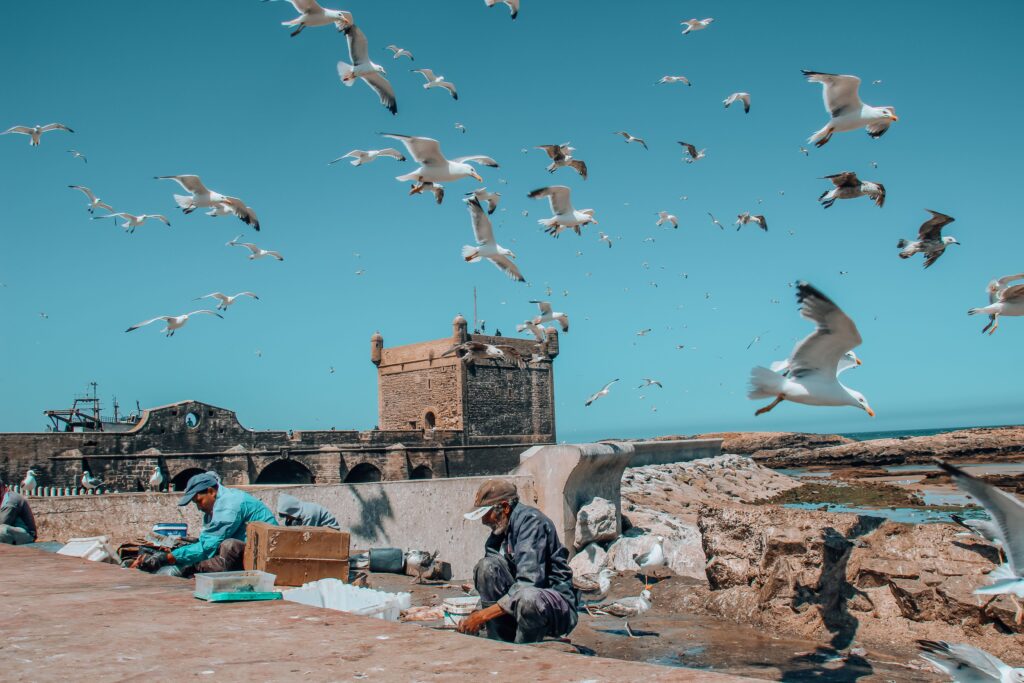
Houmt Souk, Djerba’s main town, retains a working port and covered souk that functions primarily for locals rather than tourists, a genuine contrast to more polished resort-town centres elsewhere in North Africa.
- Houmt Souk fish market: free to browse, best visited in the morning when the day’s catch is laid out and the trading is at its most active
- Borj Ghazi Mustapha (old fort): 5 TND (£1.30), a 13th-century coastal fort with views back across the harbour
- Djerbahood pottery and street art quarter: free, a neighbouring village (Erriadh) transformed by an international street art project layered onto the traditional white-and-blue architecture
- Dinner: a full seafood meal (Djerba’s grilled fish and octopus are genuinely excellent) runs 15-25 TND (£4-£6.50) per person
- Accommodation: guesthouses and small hotels in Houmt Souk from £25-£40/night
The 6am principle applies to the fish market specifically. The best selection and most authentic trading atmosphere happens in the first hour or two after the boats come in, well before the midday heat sets in.
Days 3-5: Djerba Beaches
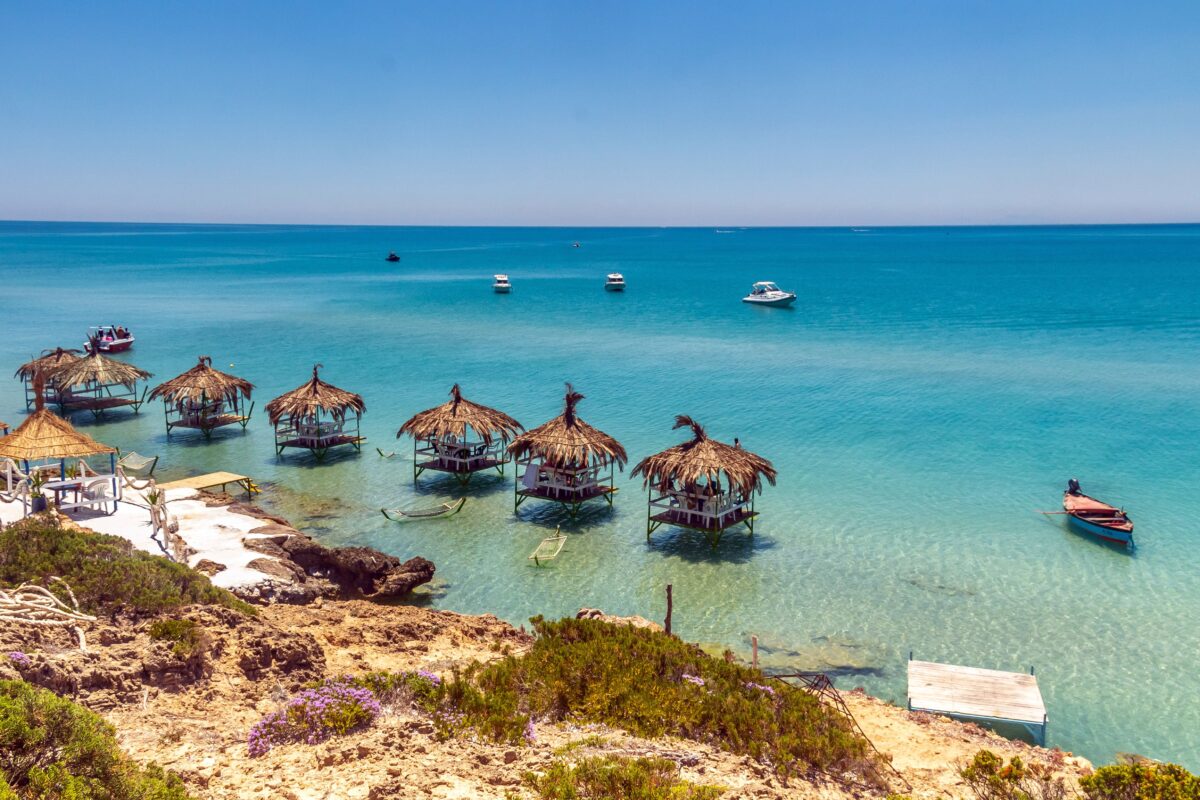
Djerba’s main beach areas, Sidi Mahres to the north and Aghir to the southeast, both offer genuinely fine white sand and shallow, warm water, with Sidi Mahres generally considered the stronger of the two for water clarity.
- Beach access: free at most stretches, with sunbed hire from 5-10 TND (£1.30-£2.60) at hotel-adjacent sections
- Watersports (kitesurfing, particularly strong given consistent winds): lessons from 60-90 TND (£15.60-£23.40) for a beginner session
- Flamingo watching: Djerba’s salt flats and lagoons attract genuine wild flamingo populations, particularly in the island’s eastern and southern wetland areas, viewable for free from several accessible points
- Dinner: a full meal at a beachfront restaurant runs 20-35 TND (£5.20-£9.10) per person
- Accommodation: beachfront hotels from £30-£55/night, with the higher end covering genuine sea-view rooms
The honest verdict on beach choice: Sidi Mahres suits travellers prioritising water quality and a slightly quieter atmosphere, while Aghir offers marginally better value accommodation and a livelier evening scene given its concentration of larger resort hotels.
Djerba’s Synagogue and Multicultural Heritage
Beyond the beaches, Djerba holds one of the oldest continuously operating Jewish communities in North Africa, centred on the El Ghriba Synagogue near Er Riadh, one of the oldest synagogues in the world according to local tradition. The site is open to visitors and offers a genuinely different dimension to the island’s history beyond its resort reputation, worth a half-day detour for travellers interested in the island’s layered cultural heritage.
Day 6: Ksar Ghilane Desert Day Trip
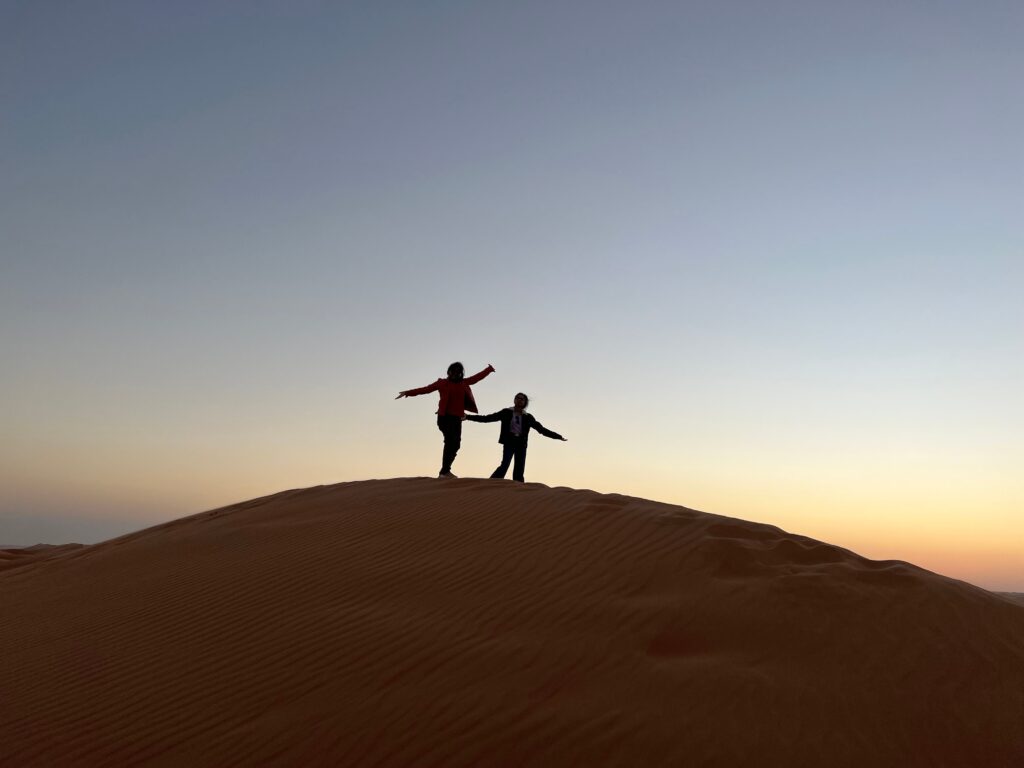
Ksar Ghilane sits on the mainland, roughly 3-3.5 hours from Djerba by organised trip, offering a genuine taste of Saharan desert landscape and one of the region’s few naturally occurring hot springs.
- Organised day trip (including 4×4 transport and guide): 90-140 TND (£23.40-£36.40) per person
- Natural hot spring bathing: included with most organised trips, a genuinely striking experience given the surrounding dune landscape
- Camel trekking add-on: typically 20-30 TND (£5.20-£7.80) for a short session
- Honest verdict: this is a long day given the travel time, but delivers a genuinely different landscape from the coastal week that precedes it, worth the early start required
Day 7: Houmt Souk
A final day back in Houmt Souk allows for any remaining souk shopping (leather goods, ceramics, and woven baskets are the standout purchases) and a relaxed pace ahead of the flight home.
What £420-£520 Actually Covers
| Category | Total for 7 Days (GBP, per person) |
|---|---|
| Accommodation (6 nights, split two ways) | £85-£140 |
| Food (three meals daily) | £75-£105 |
| Local transport | £15-£25 |
| Ksar Ghilane day trip | £23-£36 |
| Activities/entry fees | £15-£25 |
| Total | £213-£331 |
The gap between this total and the £420-£520 headline figure accounts for standard trip contingency and any additional watersports or excursions added beyond the core itinerary.
Step-by-Step: Booking This Trip
- Confirm current FCDO travel advice for Tunisia before booking. While Djerba itself and the main tourist areas are generally considered safe, checking current advisory status is standard practice for the region, and worth doing close to the booking date rather than relying on older information.
- Book winter flights (November-February) 8-10 weeks ahead for the strongest fares, since Djerba’s route frequency reduces outside peak summer months.
- Withdraw Tunisian dinar (TND) from a bank ATM on arrival, since the currency isn’t freely exchangeable outside Tunisia, meaning pre-trip currency exchange in the UK isn’t an option.
- Book the Ksar Ghilane day trip through your hotel or a reputable local operator rather than an unlicensed street-arranged option, given the distance and desert terrain involved.
- Pack modest clothing for Houmt Souk and Erriadh village, even though the beach resort areas are more relaxed in dress expectations.
Frequently Asked Questions
Do UK citizens need a visa for Tunisia?
No, UK passport holders can enter Tunisia visa-free for tourism stays of up to 90 days.
Is Djerba warm enough for a beach holiday in winter?
Yes, reasonably. Winter temperatures (November-February) typically range 15-20°C, warm enough for daytime beach walks and sightseeing, though sea temperatures drop enough that swimming becomes a colder proposition than the shoulder-season months of October or March-April.
Is Djerba safe for tourists?
Djerba and its main tourist areas are generally considered safe, with a well-established tourism infrastructure. Standard precautions apply as with most destinations, and checking current FCDO advice before travel is recommended given the wider regional context.
How does Djerba compare to mainland Tunisia destinations like Hammamet or Sousse?
Djerba offers a more distinct island character with its own traditional architecture and slower pace, compared to Hammamet and Sousse’s larger, more built-up resort infrastructure. Djerba suits travellers wanting a quieter, more culturally distinct base; Hammamet and Sousse suit those prioritising a bigger range of resort amenities and nightlife.
Is it easy to get around Djerba without a rental car?
Reasonably, for the main towns and beach areas. Louages (shared taxis) connect Houmt Souk to the main beach zones cheaply, though a rental car or organised transport is the more practical option for the Ksar Ghilane day trip given the mainland distance involved.
What should you pack for a Djerba winter trip?
Layers work best given the temperature swing between warm afternoons and noticeably cooler evenings, particularly by the coast. A light rain jacket is worth including, since winter is the island’s wetter season, alongside standard beach and sightseeing clothing for the milder daytime hours.
Is Djerba a good option for a family winter sun trip?
Yes, generally. The main beach areas offer calm, shallow water suited to younger children, and the island’s compact size keeps travel between activities manageable, though the Ksar Ghilane desert day trip is better suited to older children given the length of the drive involved.
Are alcohol and dress codes an issue for tourists in Djerba?
Alcohol is available at hotels, resorts, and many restaurants in tourist areas, though less so in Houmt Souk’s more traditional quarters. Standard modest dress is appreciated away from the beach and pool areas, particularly when visiting the old town, mosques, or the synagogue, but Djerba’s tourism infrastructure is generally relaxed compared to more conservative parts of the region.
The Bottom Line
Djerba delivers a genuinely warm winter escape with real cultural texture, the working fish market, the pottery village, the desert day trip, well beyond a standard beach resort week, at a cost noticeably lower than equivalent Canary Islands or mainland Spain winter sun options. The trade-off is a longer day required for the Ksar Ghilane excursion and a beach season that, while mild, doesn’t match the Gulf or Cape Verde for genuine winter warmth.