



Bali’s south, Canggu, Seminyak, Uluwatu, has become genuinely congested enough that local authorities are now building an LRT subway line specifically to address it. This is the honest current picture of what’s changed, what still works, and where to go if the south’s traffic and crowds aren’t the trip you want.
Yes, Bali remains genuinely worth visiting in 2026, but the “laid-back paradise” version of the south, Canggu and Uluwatu specifically, no longer exists in the way older guidebooks describe. Traffic in the south is a genuine daily planning factor, a tourism tax now applies, and the island’s own government is actively shifting strategy toward “quality tourism” over pure visitor volume.
The Traffic Reality in Southern Bali
Traffic is now widely cited as the single biggest complaint about Bali in 2026, with roads originally built for village-level activity struggling under the volume of rental scooters and cars serving the south’s tourist areas. In direct response, Bali has broken ground on an LRT subway line (Phase 1 connecting the airport to Sunset Road/Canggu), though this remains under construction and won’t offer near-term relief.
- Canggu and Berawa: genuinely busy, particularly mornings and evenings, with popular beach clubs and nightlife venues like Sky Garden creating traffic bottlenecks locals now simply plan around
- Uluwatu: the clifftop temple and sunset bar strip are consistently busy, especially in the hour before sunset
- Popular waterfalls (Tegenungan, Tibumana): now regularly see queues and traffic congestion that didn’t exist a decade ago
- Central Ubud’s main strip: hectic around the Monkey Forest and tourist markets during peak hours, though Ubud’s surrounding rice terrace areas remain considerably calmer
The honest verdict on traffic: it’s real and worth planning around, but it’s concentrated in specific southern hotspots rather than affecting the entire island. Much of the “Bali is ruined” sentiment circulating online comes from travellers who spent their entire trip in the most Westernised, congested areas.
The Case Against the “Bali Is Ruined” Narrative
A closer look at the specific complaints driving this sentiment reveals a pattern: nearly all originate from a handful of the most heavily developed southern strips, Canggu’s beach clubs, Uluwatu’s sunset bars, and central Seminyak. Bali’s temple ceremonies, daily offerings, and community-centred village life continue largely unaffected by tourism volume, a distinction genuinely lost on visitors who spend an entire trip within a narrow radius of Instagram-famous cafes and clubs. The island hasn’t been destroyed; specific, well-known parts of it have become genuinely crowded, which is a meaningfully different and more manageable problem for anyone willing to look beyond the most photographed strips.
The 2026 Tourism Tax and New Entry Requirements
A tourism levy of IDR 150,000 (roughly £7.50) per person has applied to all foreign arrivals since February 2024, payable electronically before or on arrival. Enforcement has been inconsistent, with some travellers reporting no verification at all and others facing dedicated checks, though budgeting for and paying the levy through official government channels is the safest approach regardless of enforcement variability.
- 2026 “Quality Tourism” initiative: Bali’s provincial government has set a lower visitor target for 2026 (6.63 million) compared to 2025, explicitly prioritising visitor quality and spending over raw numbers
- Possible new financial screening: some reporting suggests requirements for proof of sufficient funds (potentially bank statements) may be introduced, though this isn’t universally confirmed or enforced as of writing; check current entry requirements close to travel
- Single-use plastic ban: fully enforced since January 2026 across all sectors, part of a broader environmental sustainability push
Where Bali Still Delivers the “Old” Experience
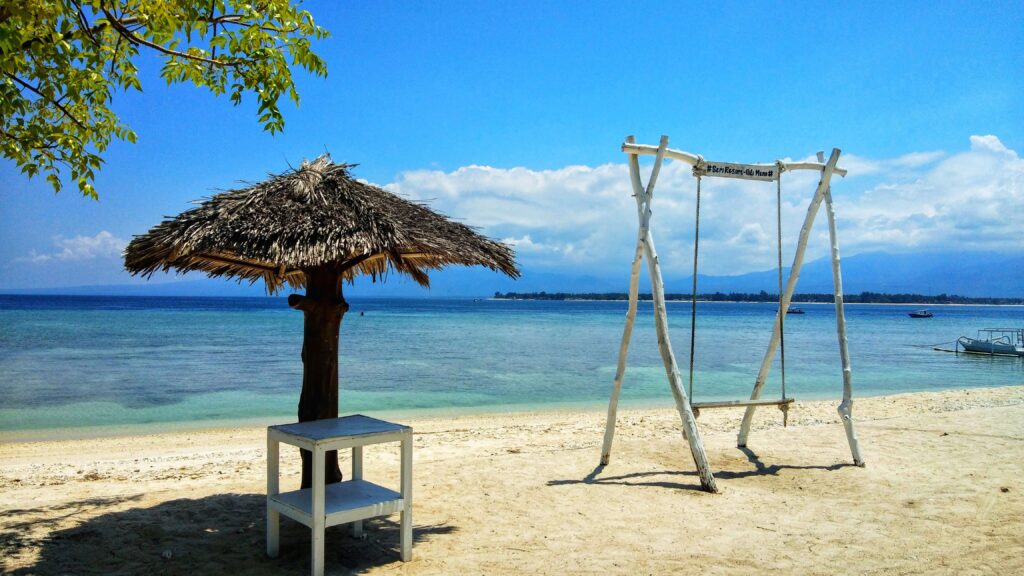
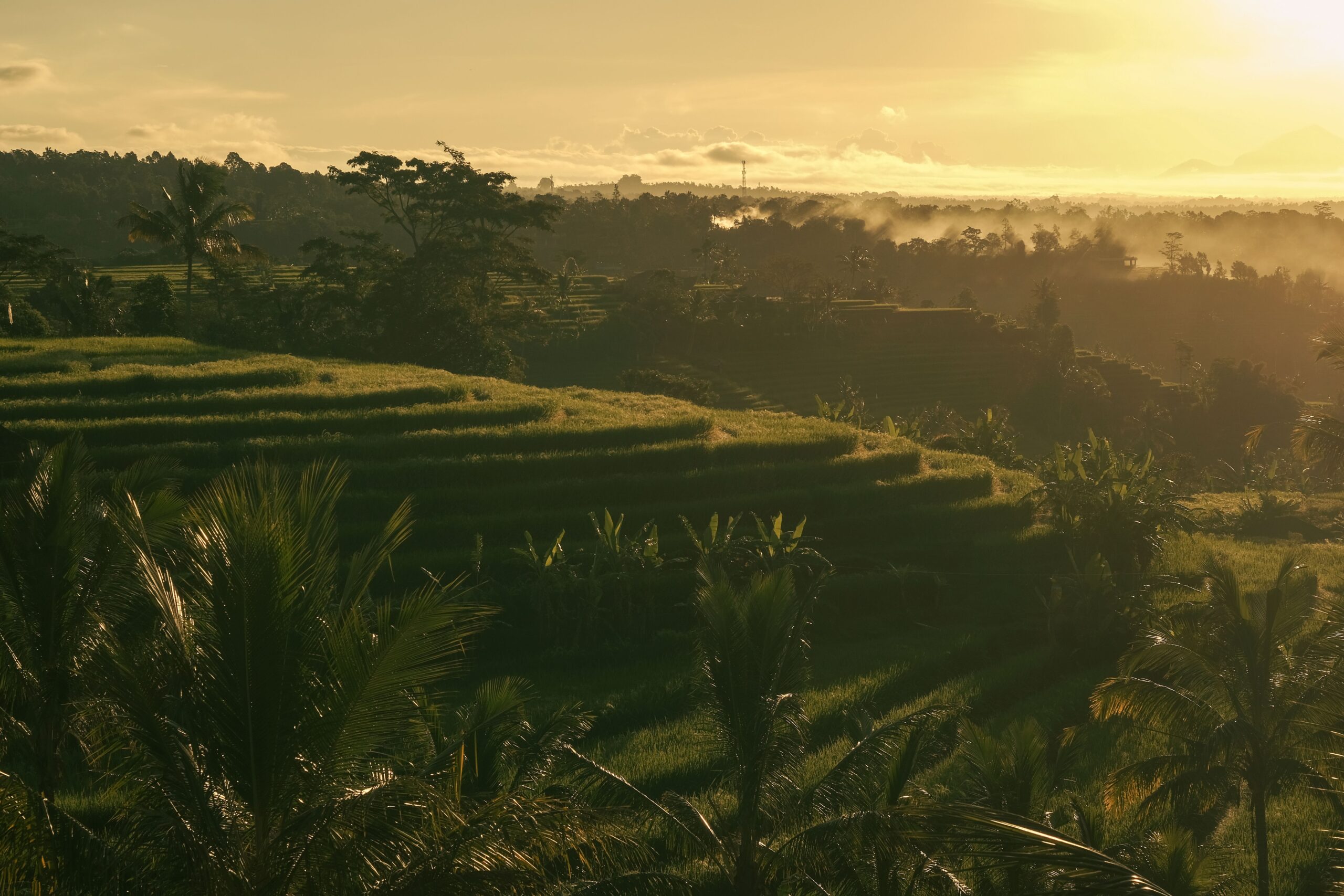
Away from the south’s most Instagram-famous strips, large parts of Bali remain genuinely calm. Amed’s diving villages on the northeast coast, the interior rice terrace areas around Ubud away from the main tourist strip, and the north coast around Lovina all offer a noticeably different pace from Canggu or Uluwatu.
- Amed: a quiet diving and snorkelling coastline, considerably less developed than the south, genuinely reflecting Bali’s pre-boom character
- Sidemen Valley: rice terrace scenery comparable to Ubud’s famous Tegalalang, with a fraction of the visitors
- Lovina (north coast): calmer black-sand beaches and dolphin-watching, well outside the south’s traffic and crowd patterns
What a Week Actually Costs in 2026
| Category | Southern Bali (Canggu/Seminyak, per person) | Quieter Bali (Amed/Sidemen, per person) |
|---|---|---|
| Accommodation (6 nights, split two ways) | £180-£420 | £90-£220 |
| Food | £90-£160 | £60-£100 |
| Activities/beach clubs | £60-£150 | £30-£70 |
| Tourism levy | £7.50 (one-time) | £7.50 (one-time) |
| Total (excluding flights) | £337-£737 | £187-£397 |
Southern Bali’s beach club culture specifically has driven noticeable price inflation over the past several years, with premium clubs now charging entry fees or high minimum spends that didn’t exist a decade ago.
Step-by-Step: Planning a Bali Trip in 2026
- Pay the tourism levy through official government channels before or on arrival, regardless of how consistently it’s enforced, to avoid any complications.
- Base at least part of the trip outside the south’s most congested areas (Amed, Sidemen, or Lovina) if genuine calm is a priority, rather than assuming all of Bali matches Canggu’s pace.
- Plan around traffic patterns in the south specifically, building extra transfer time into any Canggu, Seminyak, or Uluwatu-based itinerary, particularly around sunset hours.
- Check current entry requirements close to travel dates, given ongoing discussion of potential new financial screening measures that may or may not be finalised by your travel date.
- Consider a rental scooter only with genuine experience, given how much traffic density has increased in the south specifically; many visitors now find a private driver a safer, less stressful alternative for southern Bali specifically.
Frequently Asked Questions
Is Bali more expensive than it used to be?
Southern Bali specifically, Canggu and Seminyak in particular, has seen noticeable price inflation driven by beach club culture and rising accommodation demand. Quieter regions like Amed and Sidemen remain considerably cheaper and closer to older Bali pricing.
Do UK citizens need a visa for Bali?
UK passport holders can currently obtain a visa on arrival for short tourist stays, alongside the separate IDR 150,000 tourism levy introduced in 2024, both of which should be reconfirmed against current Indonesian immigration policy before travel.
Is southern Bali’s traffic bad enough to avoid it entirely?
Not necessarily avoid entirely, but worth planning around. Many visitors successfully combine a few days in the south for beach clubs and nightlife with time in quieter regions, rather than either avoiding the south completely or spending an entire trip stuck in its traffic.
Will the new LRT subway improve Bali’s traffic situation soon?
Not in the near term. Construction on Phase 1 (airport to Sunset Road/Canggu) is underway as of 2026, but a functioning system remains years away, meaning current traffic conditions should be planned around as-is rather than expecting near-term relief.
Is it worth hiring a private driver instead of a rental scooter in southern Bali?
For most visitors, yes, given the increased traffic density in Canggu, Seminyak, and Uluwatu specifically. A private driver for a full day typically costs IDR 500,000-700,000 (£25-£35), a genuinely reasonable trade-off against the stress and risk of navigating southern Bali’s now-congested roads on an unfamiliar scooter.
The Bottom Line
Bali remains genuinely worth visiting in 2026, but the honest picture requires acknowledging that the south’s traffic, crowding, and rising beach club prices are real, ongoing challenges rather than exaggerated social media complaints. The island’s quieter regions, Amed, Sidemen, and Lovina among them, still deliver something close to the original “laid-back paradise” reputation, making a well-planned trip that balances both sides of the island the strongest approach for 2026.