



Amsterdam has spent the past several years actively trying to shed its reputation as a stag-do and party-tourism destination, introducing a genuine string of restrictions aimed specifically at that demographic. This is the honest current picture of what’s changed and whether it affects a standard city break.
Short answer: yes, Amsterdam remains genuinely worth visiting in 2026, and the new restrictions mostly target a specific type of disruptive party tourism rather than affecting standard sightseeing, museum visits, or dining. The Rijksmuseum, canal architecture, and cycling culture are entirely unaffected; what’s changed is the coffeeshop and Red Light District experience specifically.
What’s Actually Changed by 2026
Public Cannabis Smoking Ban (In Force Since 2023, Now Actively Enforced)
Smoking cannabis outdoors is banned in De Wallen (the Red Light District), Dam Square, Damrak, and Nieuwmarkt, with on-the-spot fines of €100 (£87) now actively enforced rather than treated as a soft rule. Cannabis remains legal to purchase and consume inside licensed coffeeshops, which is unaffected.
Possible Tourist Coffeeshop Ban Under Discussion
Following Amsterdam’s March 2026 municipal elections, the new council majority has revived discussion of barring foreign tourists from coffeeshops entirely, following a model already used in some other Dutch cities. This has not been implemented as of writing, and if it proceeds, it would represent a genuinely significant shift from decades of open access for international visitors. Check current status before a trip specifically built around this aspect of Amsterdam’s culture.
Later Alcohol Sale Restrictions (From July 2026)
Supermarkets, convenience stores, and off-licenses in the city centre can no longer sell alcohol after 10pm, part of a broader push to reduce late-night street drinking and disorder. Bars and hotels remain unaffected and can continue serving as normal.
Cruise Ship Reductions
Amsterdam has cut cruise ship calls at its main terminal from 190 to 100 per year starting in 2026, alongside a €15 (£13) per person day tax for cruise passengers, part of a broader effort to reduce short-stay, low-spend visitor numbers.
Red Light District Photography Ban
Taking photos or videos of sex workers in their windows remains strictly prohibited and actively enforced, with bodyguards present in the area and genuine risk of confrontation or camera damage for anyone who violates this rule.
What This Actually Means for a Standard City Break
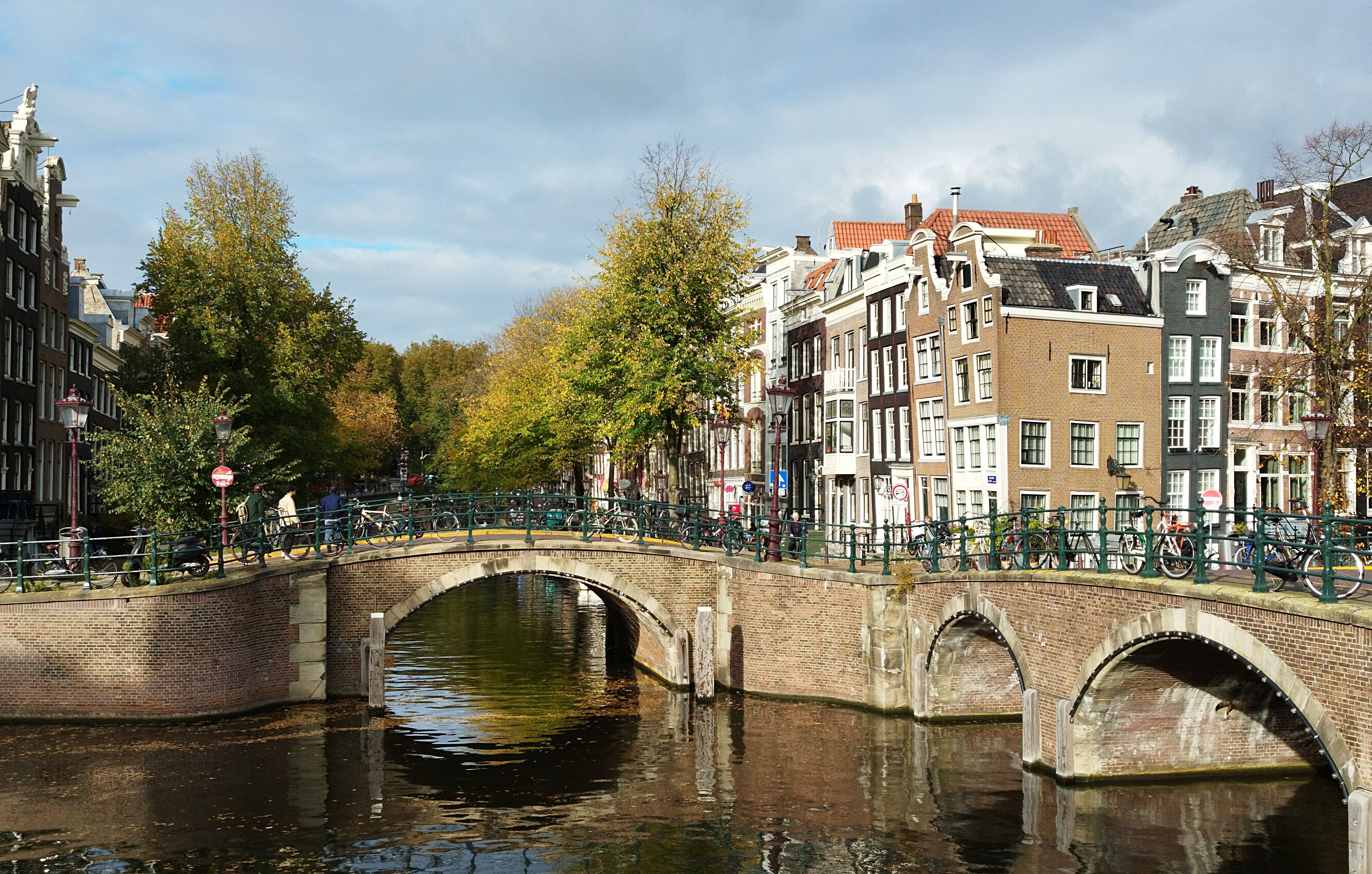
None of these changes affect the core Amsterdam experience most UK travellers come for. The Rijksmuseum, Van Gogh Museum, Anne Frank House, canal boat tours, and the city’s cycling culture are entirely untouched by any of this. The restrictions specifically target nuisance behaviour associated with stag-do and party tourism, public intoxication, disruptive photography, street drinking, rather than general sightseeing or dining.
- Museums and major sights: unaffected, book tickets in advance as standard practice given ongoing high demand
- Restaurants and dining: unaffected, Amsterdam’s food scene continues to develop with no restrictions relevant to standard visitors
- Canal cruises and cycling: unaffected, both remain core, unrestricted parts of the visitor experience
The “Stay Away” Campaign: What It Actually Targets
Amsterdam’s tourism board has run targeted digital advertising specifically discouraging exactly the kind of trip likely to result in disorderly conduct fines, aimed at message-testing potential stag-do visitors before booking rather than at general tourists. This isn’t a blanket “don’t come to Amsterdam” message, despite how it’s sometimes reported; it’s a deliberately narrow campaign aimed at reducing one specific type of low-value, high-disruption tourism.
What Locals Actually Think of the Changes
Resident sentiment in the areas most affected by these restrictions, particularly De Wallen’s roughly 9,000 permanent residents sharing narrow streets with millions of annual visitors, has generally been supportive of measures aimed at reducing nuisance behaviour. Complaints about disruptive photography, public intoxication, and street noise had been building for years before these specific policies took shape, and the restrictions largely reflect a genuine, locally-driven push for a more liveable city centre rather than a top-down decision disconnected from resident experience.
Step-by-Step: Planning an Amsterdam Trip in 2026
- Book major museum tickets well in advance, since demand remains high regardless of any of the new tourism restrictions.
- If cannabis coffeeshops are part of the plan, check current tourist access rules close to your visit date, given the ongoing municipal discussion about a potential foreign-visitor ban.
- Avoid outdoor cannabis consumption in the marked no-smoking zones (De Wallen, Dam Square, Damrak, Nieuwmarkt) to avoid the actively-enforced €100 fine.
- Plan alcohol purchases before 10pm if buying from a shop rather than a bar, given the new July 2026 restriction on late supermarket and off-licence sales.
- Never photograph sex workers in the Red Light District windows, a strictly and actively enforced rule with genuine confrontation risk for violators.
What Amsterdam Actually Costs in 2026
| Category | Cost (GBP) |
|---|---|
| Mid-range hotel (per night, before 12.5% tourist tax) | £110-£190 |
| Tourist tax (12.5% of accommodation cost) | Added to above |
| Museum entry (Rijksmuseum, Van Gogh Museum) | £18-£24 each |
| Canal cruise | £16-£25 |
| Meal (mid-range restaurant) | £25-£40 per person |
Amsterdam’s 12.5% accommodation tax is currently the highest in Europe, a genuine factor to build into trip budgeting regardless of any of the behavioural restrictions covered above.
Frequently Asked Questions
Can tourists still buy cannabis at Amsterdam coffeeshops in 2026?
Yes, as of current rules, though this is under active political discussion following the March 2026 municipal elections. Confirm current status close to your travel date if this is a specific part of your trip plan.
Is it safe to walk through the Red Light District as a tourist?
Yes, generally, provided standard etiquette is followed: no photography of sex workers, respectful behaviour given it’s a residential neighbourhood as well as a tourist area, and avoiding outdoor cannabis smoking in the marked restricted zones.
Has Amsterdam’s tourist tax actually increased in 2026?
The 12.5% accommodation tax rate, introduced in 2024, remains Europe’s highest as of 2026, alongside the new €15 cruise passenger day tax introduced this year specifically for that visitor category.
Do the new restrictions apply to visitors staying outside the city centre?
The cannabis smoking ban and photography restrictions are geographically specific to De Wallen and the immediate central zones. Visitors staying or spending most of their time outside these areas are largely unaffected by the location-specific rules, though the citywide accommodation tax and general alcohol sale restriction apply regardless of location.
Is Amsterdam still a good destination for a first-time visitor?
Yes, genuinely. The core sightseeing, museums, canal architecture, and food scene remain exactly as strong a draw as ever, and a visitor unfamiliar with the recent policy changes would notice little difference from an Amsterdam trip a decade ago beyond a slightly higher accommodation cost.
What happens if I’m caught smoking cannabis outdoors in a restricted zone?
Municipal enforcement officers issue an on-the-spot €100 fine with no warning given, since the grace period following the ban’s 2023 introduction has ended and active enforcement is now standard practice throughout De Wallen, Dam Square, Damrak, and Nieuwmarkt.
The Bottom Line
Amsterdam remains genuinely worth visiting in 2026, with its new restrictions targeted specifically at disruptive party tourism rather than the standard sightseeing, dining, and cultural experience most UK travellers come for. The practical planning considerations are Europe’s highest accommodation tax and a genuine possibility that tourist coffeeshop access could change following ongoing political discussion, both worth checking close to your travel date rather than assuming either has been finalised.