
Northern Italy’s rail network makes it genuinely possible to move from Venice’s canals to Lake Garda’s shores to the Dolomites’ jagged peaks within a single week, entirely by train, covering three of Italy’s most distinct landscapes without ever needing a rental car.
Quick answer: 7 days covering Venice, Lake Garda (Desenzano/Sirmione), and the Dolomites (via Bolzano) costs roughly £480-£580 per person excluding flights, based on mid-range hotels, three meals a day, and Italian rail (Trenitalia/Trenord) tickets throughout. UK passport holders travel visa-free for stays under 90 days as part of the Schengen agreement.
The 7-Day Route at a Glance
| Days | Location | Highlight | Accommodation Cost |
|---|---|---|---|
| 1-2 | Venice | St Mark’s Square, canal exploration | £110-£190/night |
| 3-4 | Lake Garda (Sirmione/Desenzano) | Sirmione’s thermal springs, lake views | £70-£120/night |
| 5-7 | Bolzano & the Dolomites | Alpe di Siusi, cable car access | £70-£130/night |
The train from Venice to Desenzano del Garda (the mainline station serving Lake Garda) takes roughly 1 hour 45 minutes, and Desenzano to Bolzano takes around 3 hours with a change, completing a route that moves from sea-level canals to alpine peaks within a genuine week.
Day-by-Day Breakdown
Days 1-2: Venice
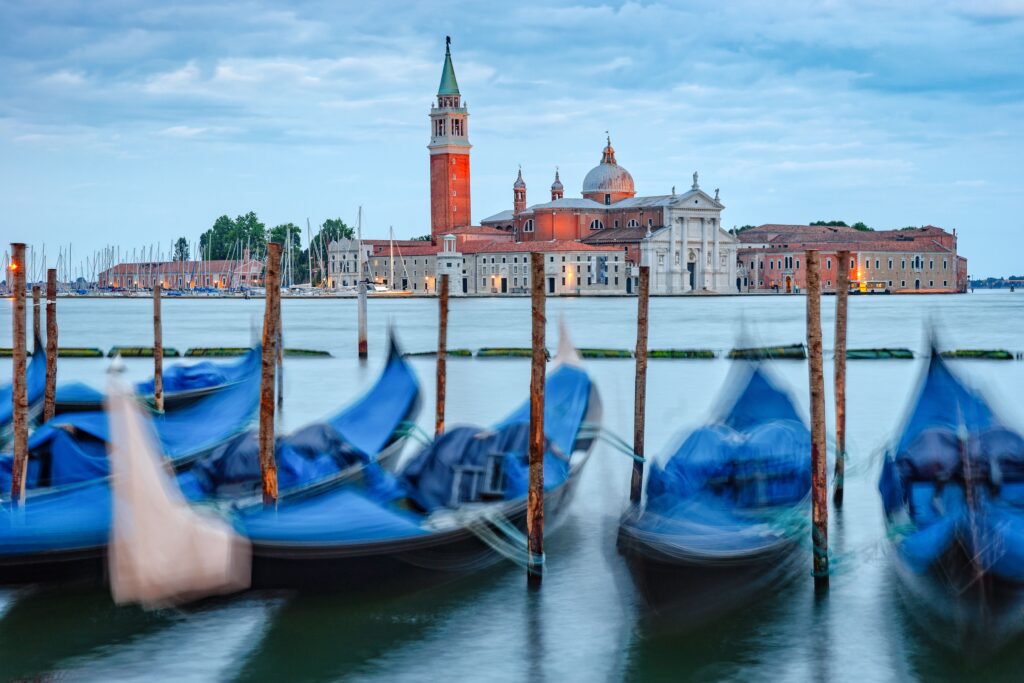
A shorter Venice stay than a dedicated Venice trip, but enough to properly cover the essentials before continuing onward to the lake and mountains.
- St Mark’s Basilica: free entry (with a small charge for specific interior areas like the Pala d’Oro), best visited at opening to avoid the worst of the day-tripper crowds
- Doge’s Palace: €25 (£21.35), the political and judicial heart of the former Venetian Republic
- Rialto Market: free to browse, best visited in the morning when the fish and produce stalls are at their most active
- Dinner: a full meal at a bacaro (traditional Venetian wine bar) with cicchetti (small tapas-style plates) runs €18-€28 (£15.40-£24) per person
- Accommodation: overnight stays are recommended over a day trip, particularly given Venice’s day-tripper access fee applies to non-overnight visitors on specific dates
Days 3-4: Lake Garda
The train from Venice to Desenzano del Garda takes roughly 1 hour 45 minutes, arriving at Italy’s largest lake, ringed by mountains and dotted with historic towns.
Sirmione, a peninsula town jutting into the lake, anchors the Garda leg of this trip, home to both a striking medieval castle and genuine ancient Roman ruins.
- Rocca Scaligera Castle: €8 (£6.85), a well-preserved 13th-century moated castle right at Sirmione’s entrance
- Grotte di Catullo: €8 (£6.85), the ruins of a large Roman villa at the tip of the peninsula, with genuinely striking lake views from the site
- Thermal spa access: Sirmione sits atop natural thermal springs, with several spa facilities offering day access from €50-€90 (£42.75-£77) depending on the specific package
- Dinner: a full lakeside meal (Garda’s freshwater fish, particularly lake trout, is the regional specialty) runs €20-€32 (£17.10-£27.35) per person
- Accommodation: guesthouses in Sirmione or nearby Desenzano from £70-£120/night
The 6am principle applies at Sirmione’s castle and old town. Both fill with day-trippers from Verona and Milan by mid-morning during peak summer, and an early walk through the narrow lanes offers a genuinely different, quieter experience.
Days 5-7: Bolzano & the Dolomites
The train from Desenzano to Bolzano takes roughly 3 hours with a change, typically via Verona, transitioning from the lake district into South Tyrol’s distinctly Alpine, German-influenced culture.
Bolzano itself blends Italian and Austrian heritage visibly, in its architecture, food, and bilingual signage, while serving as the practical gateway to the Dolomites’ hiking and cable car network.
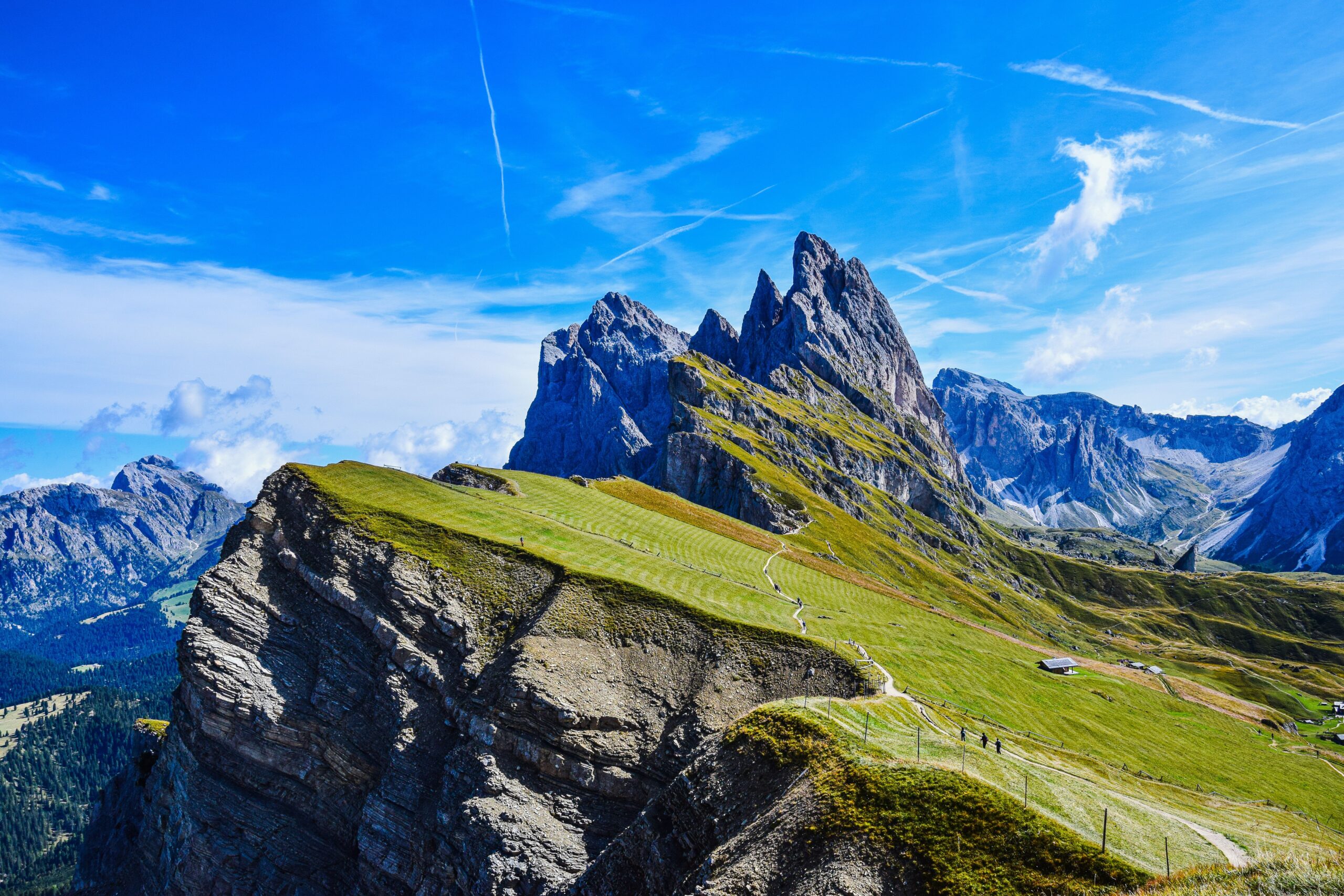
- Alpe di Siusi (Seiser Alm) cable car: €19 (£16.25) return, accessing Europe’s largest high-altitude alpine meadow, with hiking trails suitable for a range of fitness levels once at the top
- South Tyrol Museum of Archaeology: €13 (£11.10), home to Ötzi the Iceman, the naturally mummified body of a man who lived over 5,000 years ago, discovered in the nearby mountains
- Bolzano’s old town: free to explore, with a genuinely strong market culture and a noticeably different architectural style from anywhere else on this route
- Dinner: a full South Tyrolean meal (canederli, bread dumplings, and speck, the region’s cured ham, are both worth seeking out) runs €18-€28 (£15.40-£24) per person
- Accommodation: guesthouses in Bolzano from £70-£130/night
The honest verdict on the Dolomites leg: Bolzano itself is a comfortable, walkable base, but the real payoff is the cable car access to Alpe di Siusi, delivering genuinely dramatic alpine scenery within a single, manageable day trip rather than requiring a multi-day mountain expedition.
Why Bolzano Specifically, Rather Than Other Dolomites Bases
Cortina d’Ampezzo carries more international name recognition as a Dolomites base, but its rail access is considerably more limited, requiring a bus connection from the nearest train station rather than Bolzano’s direct rail link from the lake district. Bolzano’s combination of direct train access and proximity to Alpe di Siusi’s cable car makes it the more practical choice for a rail-only itinerary, even though Cortina’s specific peaks carry a stronger reputation among dedicated hikers and skiers.
What £480-£580 Actually Covers
| Category | Total for 7 Days (GBP, per person) |
|---|---|
| Accommodation (6 nights, split two ways) | £220-£350 |
| Food (three meals daily) | £115-£165 |
| Rail (Venice-Garda-Bolzano) | £30-£50 |
| Activities/entry fees | £55-£85 |
| Total | £420-£650 |
Venice’s higher accommodation costs pull the overall average up compared to the other two legs, worth factoring in when allocating budget across the trip.
Step-by-Step: Booking This Route
- Book Venice accommodation for overnight stays rather than a day trip, both for the better experience and to avoid the city’s day-tripper access fee, which applies on specific dates to non-overnight visitors.
- Book Trenitalia tickets for the Venice-Desenzano and Desenzano-Bolzano legs a few weeks ahead for the best regional fares, though this route doesn’t require the extensive advance booking some high-speed lines demand.
- Check the Alpe di Siusi cable car schedule and weather conditions the morning of the visit, since mountain weather can shift quickly and clear conditions significantly improve the experience.
- Base in Sirmione specifically rather than a less central Garda town, given its combination of castle, Roman ruins, and thermal spa access all within walking distance.
- Pack layers for the transition from Venice’s sea-level warmth to Bolzano’s alpine coolness, particularly relevant outside peak summer months.
Frequently Asked Questions
Do UK citizens need a visa for this trip?
No. Italy is part of the Schengen Area, allowing UK passport holders to visit visa-free for stays up to 90 days within any 180-day period.
Is a rental car needed for the Dolomites leg specifically?
Not for this route as structured, since the Alpe di Siusi cable car provides direct access to the high-altitude meadow from Bolzano’s surrounding area without requiring a car, though a car does offer more flexibility for exploring the wider Dolomites region beyond this specific itinerary.
How does Lake Garda compare to Lake Como for this kind of trip?
Garda offers better rail connectivity for this specific Venice-to-Dolomites route, sitting more directly on the path north, while Como, further west, would require additional backtracking to reach Bolzano and the Dolomites afterward.
What is the best time of year for this route?
May-June and September offer the strongest combination of comfortable temperatures across all three legs, from Venice’s canals to Bolzano’s alpine altitude, with July-August bringing both peak heat in Venice and Garda and the busiest hiking conditions in the Dolomites.
Is it possible to add a fourth stop to this route, like Verona?
Yes, Verona sits directly on the rail line between Desenzano and Bolzano, making it genuinely easy to add as a half-day or full-day stop, particularly for travellers wanting to see the city associated with Romeo and Juliet’s balcony without significantly disrupting the overall route logic.
The Bottom Line
This route delivers three genuinely distinct Italian landscapes, Venice’s canals, Garda’s lake and thermal springs, and the Dolomites’ alpine drama, connected by a reliable regional rail network entirely without a rental car. The trade-off is a noticeably higher accommodation cost in Venice pulling up the overall trip budget, worth balancing against a shorter Venice stay if cost is a genuine priority.