


Rome’s tourist-trap restaurants around the Colosseum and Trevi Fountain charge genuinely inflated prices for mediocre food, while a few streets away, in Trastevere’s back alleys or Testaccio’s markets, the real Roman food culture delivers excellent meals at a fraction of the cost.
Quick answer: £18/day in Rome covers a proper cornetto and coffee breakfast, a genuine trattoria or pizza al taglio lunch, and either a neighbourhood dinner or an aperitivo spread, provided meals are chosen in local neighbourhoods rather than immediately around major sights. Restaurants within sight of the Colosseum or Trevi Fountain routinely charge double or more for equivalent food found a short walk away.
A Full Day’s Rome Eating Under £18
| Meal | What It Buys | Cost (EUR) | Cost (GBP) |
|---|---|---|---|
| Breakfast | Cornetto + cappuccino standing at the bar | €2-€3 | £1.70-£2.55 |
| Lunch | Pizza al taglio slice + suppli (fried rice ball) | €5-€8 | £4.30-£6.85 |
| Dinner | Trattoria pasta dish | €10-€14 | £8.55-£12 |
| Total | €17-€25 | £14.55-£21.40 |
Standing at the bar (al banco) rather than sitting at a table is the single biggest cost lever in Rome, since Italian bars and cafes legally charge more for table service, sometimes double the standing price for an identical coffee.
Suppli and Pizza al Taglio: Rome’s Actual Fast Food
Suppli, Rome’s answer to Sicily’s arancini, deep-fried rice balls typically filled with mozzarella and tomato sauce, are a genuine Roman street food staple, not a tourist novelty.
- Suppli: €2-€3 (£1.70-£2.55) each at a genuine local supplleria, a filling, cheap snack or light lunch component
- Pizza al taglio (pizza by the slice, sold by weight): €3-€6 (£2.55-£5.10) for a substantial piece, available throughout the city at dedicated pizza al taglio shops rather than sit-down pizzerias
- Look for shops with a genuine local queue rather than tourist-facing photo menus, a reliable signal of authentic, reasonably priced food
Gelato: The One Splurge Genuinely Worth It
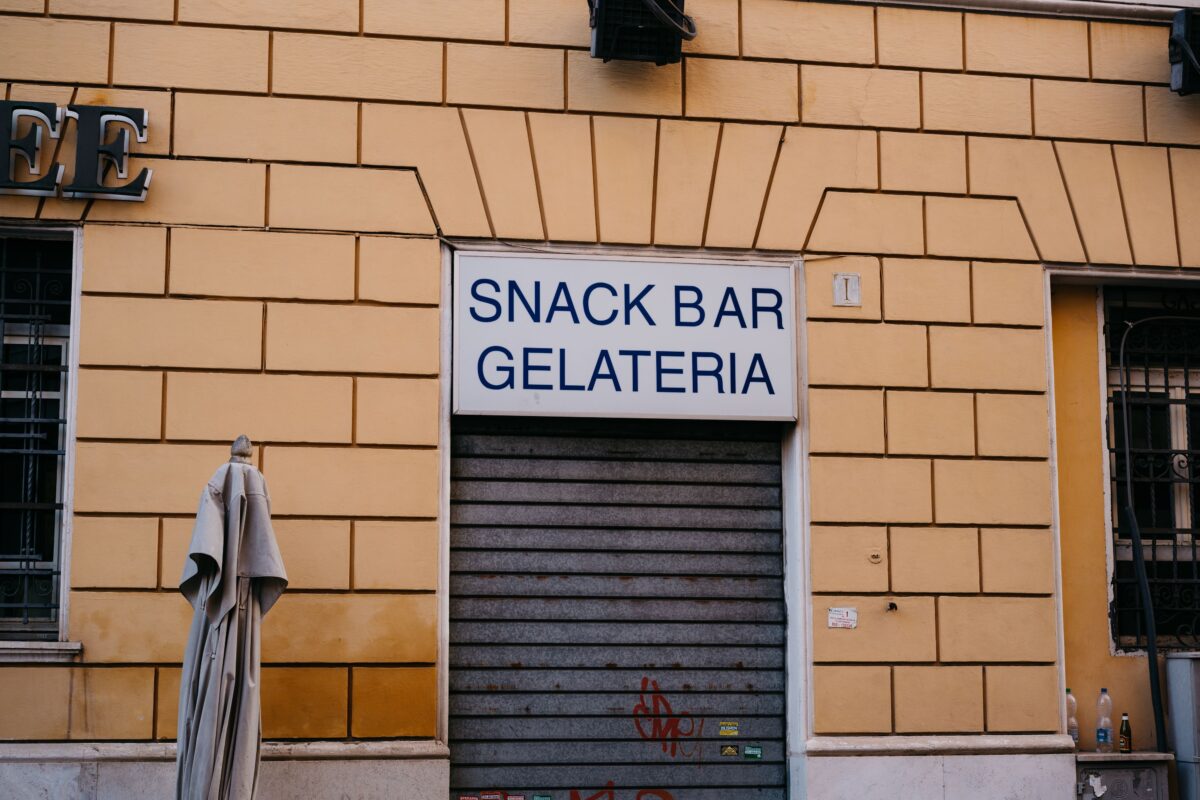
Rome’s gelato culture is genuinely exceptional, and while it’s an add-on cost beyond the core daily budget, a good scoop (€2.50-€4/£2.15-£3.40) is worth the small splurge. The key distinction is between gelateria artigianale (artisan, genuinely handmade) and the mass-produced tourist-strip versions, easily identified by colour: artisan gelato tends toward more muted, natural tones, while the bright, artificially vivid colours common near major tourist sites signal lower quality, higher-margin product aimed squarely at passing foot traffic rather than local regulars.
Trastevere and Testaccio: Where Romans Actually Eat
Rome’s most tourist-dense areas, immediately around the Colosseum, Trevi Fountain, and Vatican, consistently charge premium prices for food that’s often mediocre in quality. Trastevere and Testaccio, both genuinely residential neighbourhoods, offer the city’s strongest local dining culture.
- Trastevere’s back streets (away from the main tourist-flooded Piazza Santa Maria) hold numerous genuine trattorie serving Roman classics, cacio e pepe, carbonara, amatriciana, at local prices, typically €10-€14 (£8.55-£12) per main course
- Testaccio Market: a covered food market genuinely used by local residents, with prepared food stalls offering excellent value lunch options from €6-€10 (£5.10-£8.55)
- Look for trattorie without English menus posted outside, again an imperfect but reasonably reliable signal of local rather than tourist pricing
Aperitivo: The Genuinely Excellent Value Dinner Hack
Aperitivo, Rome’s early-evening drink-plus-snacks tradition, offers one of the best value dining hacks in the entire city. Many bars offer a drink (€8-€12/£6.85-£10.25) that includes access to a substantial buffet of small plates, effectively turning a single drink purchase into a genuine light dinner.
- Best aperitivo neighbourhoods: Trastevere, Monti, and San Lorenzo all have strong, genuinely local aperitivo scenes
- Timing: aperitivo typically runs from 6-9pm, positioning it as either a pre-dinner snack or, for the budget-conscious, a full dinner substitute
- The honest verdict: for anyone wanting to stretch a Rome food budget further, treating aperitivo as dinner rather than a pre-dinner drink is a genuinely effective, enjoyable strategy rather than a compromise
What This Actually Saves Compared to Tourist-Area Dining
| Category | Local Eating (per day) | Tourist-Area Dining (per day) |
|---|---|---|
| Breakfast | £1.70-£2.55 | £5-£8 |
| Lunch | £4.30-£6.85 | £15-£25 |
| Dinner | £8.55-£12 | £25-£40 |
| Total | £14.55-£21.40 | £45-£73 |
Eating in genuinely local neighbourhoods and standing at bars rather than sitting cuts daily food costs by roughly 65-70% compared to tourist-area dining, without any real sacrifice in food quality.
Step-by-Step: Eating Like a Local in Rome
- Stand at the bar for coffee rather than sitting at a table, a straightforward habit change that can halve the cost of every coffee stop throughout the trip.
- Base accommodation in or near Trastevere, Monti, or Testaccio rather than immediately beside the Colosseum or Vatican, putting genuinely good, reasonably priced food within easy walking distance.
- Use pizza al taglio and suppli for at least one meal a day, both genuine, cheap, filling Roman staples rather than tourist-facing snacks.
- Treat aperitivo as a potential dinner substitute at least once or twice during the trip, particularly effective for stretching the budget on nights without a specific trattoria plan.
- Avoid restaurants with a tout standing outside inviting you in, a reliable signal of tourist-oriented pricing regardless of the specific neighbourhood.
Frequently Asked Questions
Is it true that sitting down for coffee costs more in Rome?
Yes, this is a legally sanctioned and widely practiced pricing structure across Italy. Standing at the bar (al banco) for a coffee is both the local custom and the cheaper option, often by a significant margin over table service.
What is the best neighbourhood in Rome for genuinely local, affordable food?
Testaccio is often considered the strongest choice, given its market culture and lower tourist density compared to Trastevere, which, while still good value relative to the centre, has become increasingly popular with visitors in recent years.
Is pizza al taglio the same as a full pizza at a pizzeria?
Different in style and purpose. Pizza al taglio is sold by weight in rectangular slices, typically eaten standing or on the go, while a full pizzeria pizza is a sit-down, individually-sized round pizza, generally a more substantial and pricier meal.
How much should you tip at a Rome trattoria?
Similar to France, service is often included (coperto, a standard cover charge, is common and separate from tipping), so tipping isn’t mandatory, though rounding up or leaving a small amount for particularly good service is appreciated.
Is tap water safe to drink in Rome, and does ordering it save money?
Yes, Rome’s tap water is safe and genuinely good quality, drawn largely from the same aqueduct system that’s supplied the city for centuries. Ordering acqua del rubinetto (tap water) rather than bottled water at a restaurant is both accepted practice and a straightforward way to trim a few euros off any meal.
What is a nasone, and is it a genuine free water source?
Yes, nasoni are Rome’s iconic cast-iron public drinking fountains, found on nearly every street corner throughout the historic centre, dispensing genuinely clean, cold drinking water for free. Refilling a bottle from one rather than buying bottled water throughout the day is a small but real daily saving worth building into any Rome trip.
The Bottom Line
Rome’s reputation for tourist-trap dining is genuinely deserved immediately around its major landmarks, but the city’s actual food culture, standing-bar coffee, pizza al taglio, trattoria cacio e pepe, and aperitivo buffets, delivers excellent value once you walk a few streets into a genuinely local neighbourhood. The honest strategy mirrors most European capitals: distance from the tourist sites correlates almost directly with both better value and better food.