




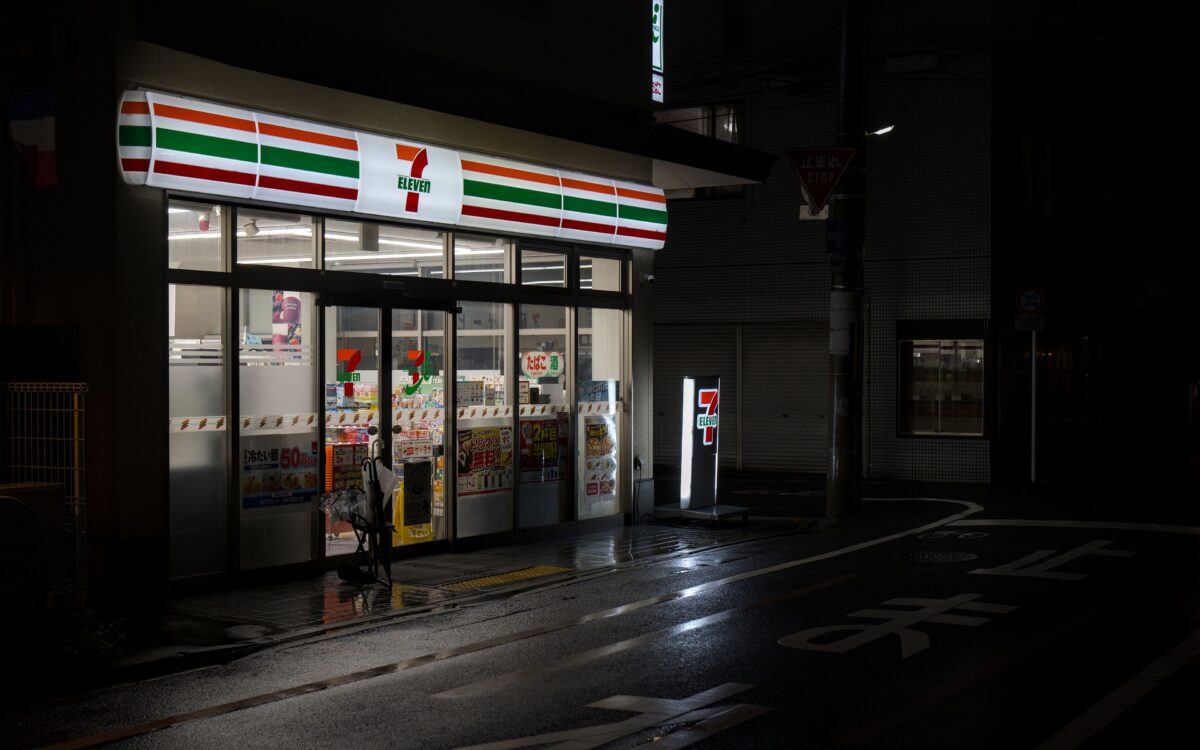
Japan’s convenience stores, konbini, are genuinely different from anything the UK has, offering fresh, quality food available 24 hours, cheap enough to build an entire day’s eating around. This is exactly what three meals a day costs at 7-Eleven, Lawson, and FamilyMart.
Three meals a day from Japanese konbini costs roughly ¥2,400-¥3,200 (£13-£17.30) per person, covering a genuinely varied, fresh diet without a single restaurant visit. This makes konbini one of the most effective budget tools for a Japan trip, not a fallback option but a genuine strategy.
A Full Day’s Konbini Menu
| Meal | Item | Cost (JPY) | Cost (GBP) |
|---|---|---|---|
| Breakfast | Onigiri (rice ball) x2 + coffee | ¥400-¥500 | £2.15-£2.70 |
| Breakfast alt | Egg sandwich + orange juice | ¥450-¥550 | £2.45-£2.95 |
| Lunch | Bento box (varied) | ¥500-¥800 | £2.70-£4.30 |
| Lunch alt | Ramen cup + gyoza pack | ¥400-¥600 | £2.15-£3.25 |
| Dinner | Katsu curry bento | ¥600-¥900 | £3.25-£4.85 |
| Dinner alt | Sushi pack + miso soup | ¥700-¥1,000 | £3.75-£5.40 |
| Snacks/drinks | Various | ¥300-¥500 | £1.60-£2.70 |
What Each Chain Does Best
7-Eleven Japan: The Onigiri and Coffee Standard
7-Eleven’s fresh coffee machine, brewed to order at the counter for ¥120-¥180 (65p-£1), is consistently rated among the best convenience store coffee in Japan, genuinely comparable to a proper café. Its onigiri selection, particularly the salmon and tuna mayo varieties, remains the gold standard breakfast option across the entire konbini category.
Lawson: The Sweet and Fried Food Specialist
Lawson’s Karaage-kun fried chicken pieces (¥210-¥280/£1.15-£1.50 per pack) are a genuine cult favourite, and its dessert selection, particularly seasonal items, tends to outshine 7-Eleven and FamilyMart’s offerings. Lawson also runs Premium Roll Cake, a genuinely excellent budget dessert at ¥250-¥350 (£1.35-£1.90).
FamilyMart: The Bento Box Value Leader
FamilyMart’s bento boxes consistently offer the strongest value-to-portion ratio of the three major chains, with its Famichiki fried chicken breast (¥210/£1.15) rivalling Lawson’s Karaage-kun as a genuine snack-meal hybrid.
Building a Genuinely Balanced Konbini Day
The honest verdict on nutrition: konbini food has improved dramatically over the past decade, with far more vegetable-forward options, protein-rich bento selections, and reduced reliance on deep-fried items than the stereotype suggests. A day built around onigiri, a protein-forward bento for lunch, and a balanced dinner bento genuinely delivers reasonable nutritional variety, not just calories.
- Rotate protein sources across meals: salmon or tuna onigiri for breakfast, chicken or pork bento for lunch, a different protein again for dinner
- Add a salad pack (¥200-¥350/£1.10-£1.90), widely available and genuinely fresh, to offset the carb-heavy default of rice and noodle-based items
- Use the microwave available in-store for hot bento items, since most konbini heat food to order at the counter rather than requiring cold consumption
Regional Konbini Specialties Worth Seeking Out
Beyond the standard national menu, many konbini stock region-specific items reflecting local tastes, a genuine point of interest for travellers moving between cities. Hokkaido branches often carry seafood-forward onigiri and dairy-based desserts reflecting the region’s produce, while Kansai-area stores lean toward richer, sweeter sauce flavours in their bento compared to Tokyo’s more standard offerings. Checking a konbini’s regional exclusive shelf, usually clearly marked, is a genuinely worthwhile five minutes for anyone curious about how Japan’s food culture shifts across the country, even within the same national chain.
What This Actually Saves Compared to Restaurant Dining
| Category | Konbini (per day) | Restaurant Dining (per day) |
|---|---|---|
| Breakfast | £2.15-£2.95 | £5-£8 |
| Lunch | £2.70-£4.30 | £8-£12 |
| Dinner | £3.25-£5.40 | £12-£20 |
| Total | £13-£17.30 | £25-£40 |
Konbini eating cuts daily food costs by roughly 50-55% compared to standard restaurant dining, without requiring self-catering or any cooking equipment, since everything is ready-to-eat or heat-in-store.
Step-by-Step: Making Konbini Eating Work
- Download a translation app for scanning packaging, since not all items carry English labels, particularly useful for confirming allergens or specific ingredients.
- Use the in-store microwave for hot items, asking staff to heat a bento if the self-service option isn’t obvious; staff are generally happy to help.
- Buy breakfast items the night before for early departures, since konbini operate 24 hours and morning rail or flight schedules often don’t allow time for a fresh stop.
- Rotate between all three major chains if staying somewhere with access to multiple, since each has genuine strengths worth sampling across a longer trip.
- Check the “soon to expire” discount stickers applied in the evening, often 20-50% off items nearing their sell-by time, a genuine way to stretch the budget further without any loss in quality.
Frequently Asked Questions
Is konbini food actually fresh, or is it processed and preserved?
Genuinely fresh by international convenience store standards. Japanese konbini restock multiple times daily, and most fresh food items (onigiri, sandwiches, bento) are made same-day rather than shipped with long shelf lives.
Can you eat well at a konbini if avoiding meat or fish?
It’s more limited than a fully vegetarian-friendly restaurant, but options exist: vegetable onigiri, tamago (egg) sandwiches, and salad packs all provide reasonable variety, though dedicated vegetarian bento boxes remain less common than meat or fish-based options.
Are konbini prices the same across Tokyo, Osaka, and rural Japan?
Broadly consistent nationwide, since these are major chains with standardised pricing, though very minor regional variation exists and rural locations occasionally carry a slightly narrower selection than major city branches.
Is it cheaper to eat at konbini than to self-cater from a supermarket?
Generally supermarkets (like Aeon or local grocery chains) offer marginally cheaper ingredient costs if actually cooking, but konbini’s combination of zero prep time, 24-hour availability, and genuinely good ready-to-eat quality makes it the more practical choice for most travellers without access to a kitchen.
Do konbini prices increase during peak tourist seasons like cherry blossom time?
No, unlike hotels and some tourist-facing restaurants, konbini pricing remains fixed and consistent regardless of season or demand, one of the genuine advantages of relying on a standardised national chain over more seasonally-responsive dining options.
Can konbini food be eaten on Japanese trains, unlike some restaurant food?
Yes, and this is one of konbini’s genuine practical advantages for travel days. Eating on local trains is generally considered acceptable when the food doesn’t produce strong odours, and konbini bento boxes are specifically designed with this kind of portable, tidy eating in mind, unlike a fresh ramen bowl bought elsewhere.
The Bottom Line
Japanese konbini deliver a genuinely balanced, varied day of eating for roughly £13-£17 per person, cutting daily food costs by half compared to restaurant dining without sacrificing much in quality or variety. For any Japan trip on a tighter budget, this isn’t a fallback strategy, it’s one of the most effective and genuinely enjoyable ways to eat well throughout the country.