



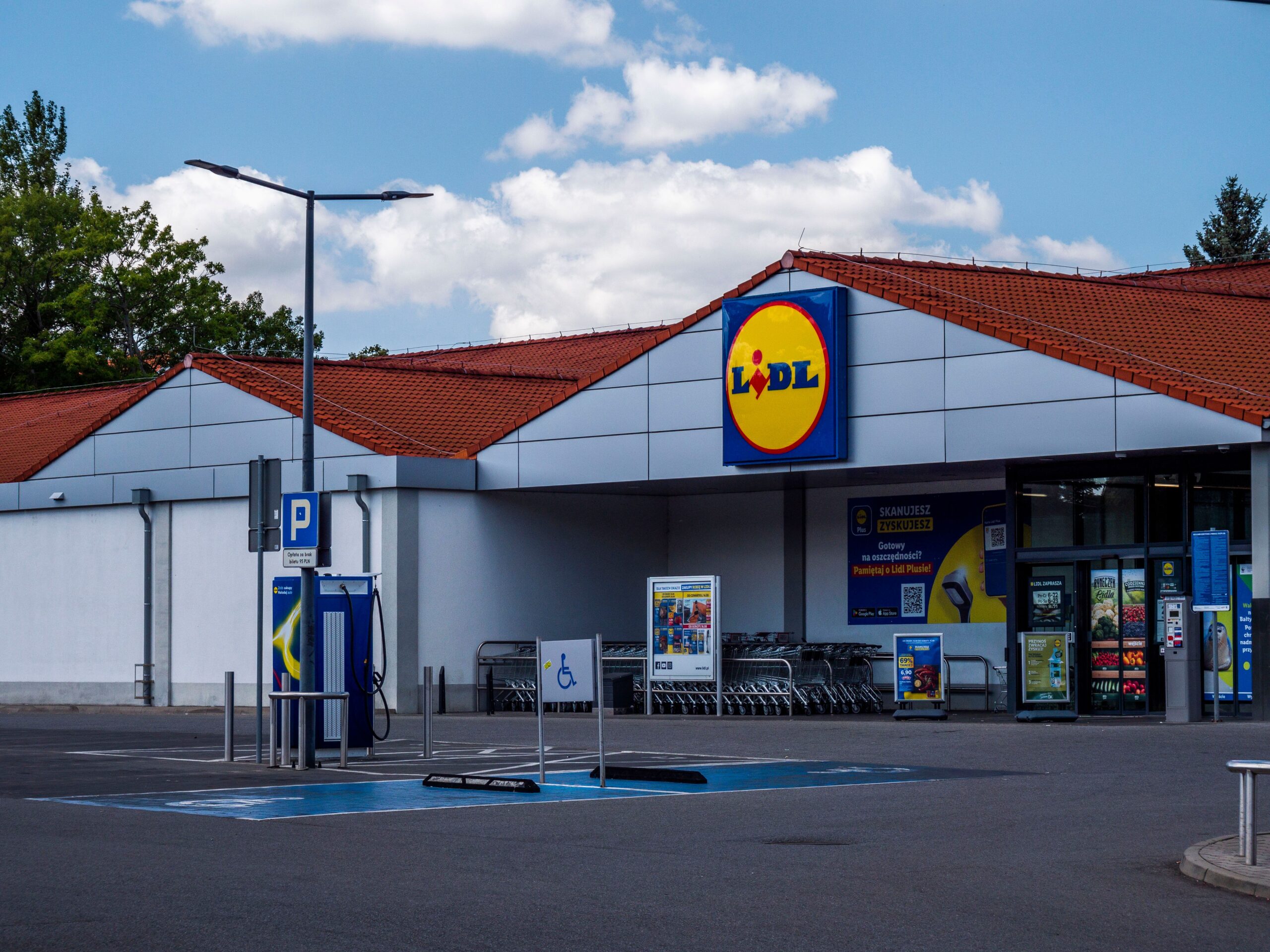
Germany’s supermarket landscape, anchored by the genuinely excellent value of Aldi and Lidl (both German-founded chains before their international expansion) alongside the broader-range REWE, makes £10/day self-catering a realistic, well-fed strategy rather than a joyless compromise.
Quick answer: £10/day at German supermarkets covers three proper meals for one person, based on a mix of fresh produce, bakery items, and Aldi or Lidl’s genuinely strong own-brand range. This runs roughly 65-70% cheaper than eating three meals at restaurants throughout a Germany trip.
A Full Day’s German Supermarket Shop
| Meal | Items | Cost (EUR) | Cost (GBP) |
|---|---|---|---|
| Breakfast | Bread roll (Brötchen) + cheese + coffee | €2-€2.80 | £1.75-£2.40 |
| Lunch | Currywurst-style sausage + potato salad + bread | €3-€4.50 | £2.60-£3.90 |
| Dinner | Fresh vegetables + pasta or potatoes + protein | €4-€5.50 | £3.40-£4.70 |
| Total | €9-€12.80 | £7.75-£11 |
Aldi and Lidl: Genuinely Excellent Own-Brand Quality
Both Aldi and Lidl originated in Germany and remain genuinely strong in their home market, with own-brand ranges consistently rated highly against name-brand equivalents by German consumer testing organisations.
- Bakery sections: both chains offer genuinely good fresh bread and Brötchen (bread rolls), Germany’s staple breakfast item, from €0.30-€0.60 (26-52p) each
- Own-brand dairy and cheese: consistently strong quality-to-price ratio, with a solid range of German cheese varieties available at a fraction of specialist deli pricing
- Prepared meals and sausages: both chains carry a genuinely wide range of German sausage varieties (bratwurst, currywurst-style), typically €2-€4 (£1.75-£3.45) for a substantial pack
REWE: Broader Range, Slightly Higher Prices
REWE positions itself between the budget-focused Aldi/Lidl model and Germany’s more premium supermarket chains, offering a wider selection at a modest price premium.
- Fresh produce selection: generally broader than Aldi or Lidl, with a stronger international and organic range for travellers wanting more variety
- Prepared food counter: several REWE locations offer a deli-style prepared food section, useful for a quick, ready-to-eat lunch option without cooking
- Own-brand REWE Beste Wahl and Ja! lines: offer reasonable value, though generally not matching Aldi or Lidl’s absolute lowest price points
Netto and Penny: Two More Budget Options Worth Knowing
Beyond the “big three” covered here, Netto and Penny both operate extensively throughout Germany and offer a genuinely competitive alternative, particularly Netto’s own-brand range, which frequently matches Aldi and Lidl on price for core staples. Penny, owned by the REWE Group, sits closer to Aldi and Lidl’s discount positioning than its parent company’s broader-range model, worth checking if either is more conveniently located than the three chains covered in the main comparison above.
Building a Genuinely Good Day of Meals
German supermarket culture leans naturally toward hearty, straightforward eating, making a genuinely filling day easy to build even on a tight budget.
- Breakfast: fresh Brötchen with cheese or cold cuts, a genuine German breakfast staple, paired with coffee
- Lunch: a cold or simply-prepared option built around sausage, potato salad, and bread, ideal for eating on the go or at accommodation
- Dinner: fresh vegetables with pasta, potatoes, or a simple protein, requiring minimal cooking equipment beyond a single pan or pot
What This Actually Saves Compared to Restaurant Dining
| Category | Supermarket (per day) | Restaurant Dining (per day) |
|---|---|---|
| Breakfast | £1.75-£2.40 | £5-£8 |
| Lunch | £2.60-£3.90 | £8-£13 |
| Dinner | £3.40-£4.70 | £15-£24 |
| Total | £7.75-£11 | £28-£45 |
Self-catering cuts daily food costs by roughly 65-75% compared to eating every meal at restaurants, without any real sacrifice in quality given Germany’s genuinely strong supermarket produce and bakery culture.
Step-by-Step: Making This Budget Work
- Book accommodation with at least basic kitchen access (a fridge and one hob ring is genuinely enough) to make self-catering practical rather than relying entirely on cold, ready-to-eat items.
- Shop at Aldi or Lidl for the lowest baseline prices, REWE for broader selection when needed, using both strategically depending on what a specific meal requires.
- Buy Brötchen fresh daily rather than in bulk, since German bakery-style bread rolls don’t keep well and fresh purchases cost little enough that daily buying isn’t a meaningful expense.
- Check each chain’s weekly promotional flyer (available in-app) for genuine, meaningful discounts on rotating items worth planning meals around.
- Balance self-catering with the occasional currywurst stand or bratwurst stall, since Germany’s street food culture is genuinely worth experiencing and remains inexpensive even outside the supermarket strategy.
Frequently Asked Questions
Is Aldi or Lidl cheaper in their German home market compared to their UK stores?
Broadly comparable, though German pricing sometimes runs marginally lower on core staples given the more established, larger-scale German market both chains originated in.
Can you eat well at German supermarkets without any cooking equipment at all?
Yes, reasonably well. Fresh bread, cheese, cold cuts, and pre-made salads all require zero preparation, making a genuinely satisfying no-cook diet achievable, though a single hob ring meaningfully expands the options available for hot meals.
Are Aldi, Lidl, and REWE available throughout Germany, including smaller towns?
Yes, all three maintain extensive national coverage, including most smaller towns, making this strategy genuinely viable regardless of which specific German region a trip covers.
How does this compare to eating at a German Imbiss (fast food stand)?
An Imbiss meal (currywurst, döner kebab) typically costs €4-€8 (£3.45-£6.90), genuinely good value compared to restaurant dining though still pricier than the strict supermarket self-catering approach covered here.
Are German supermarkets closed on Sundays, and does this affect trip planning?
Yes, nearly all German supermarkets close on Sundays by law, a genuine planning consideration worth building into any self-catering strategy, since Saturday shopping needs to cover the full weekend unless relying on the more limited, often pricier options at train stations or petrol stations that remain open.
Do these supermarkets accept card payment, or is cash preferred in Germany?
Card acceptance has improved significantly in recent years, though Germany traditionally favoured cash more than many other European countries; carrying some cash alongside a card remains sensible, particularly for smaller purchases or older store locations where card readers are less consistently available.
The Bottom Line
Germany’s Aldi and Lidl deliver genuinely excellent value in their home market, making £10/day self-catering a realistic, well-fed strategy for any Germany trip. The honest approach for most travellers combines this with the occasional Imbiss stand or beer garden meal, using the supermarket savings to fund the genuine German food experiences worth paying for.