



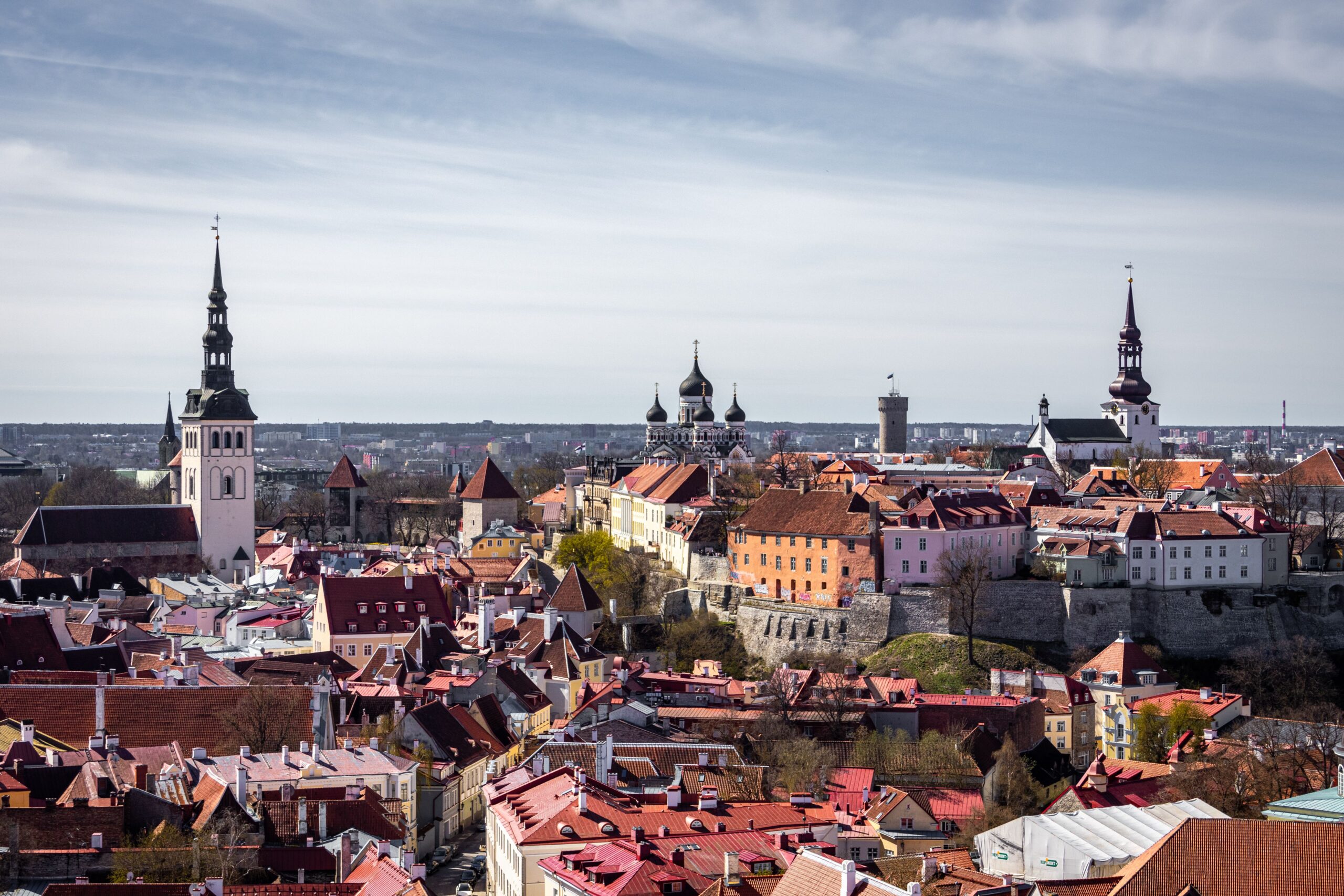
Estonia pioneered e-Residency, a digital identity scheme allowing non-residents to establish and run an EU-based company remotely, and Tallinn has positioned itself as the natural physical base for nomads and entrepreneurs actually using that system, alongside genuinely strong digital infrastructure that reflects the country’s broader tech-forward reputation.
Quick answer: a month in Tallinn for a remote worker costs roughly £1,100-£1,500 all-in, covering a private one-bedroom apartment, coworking access, and food, positioning it as a mid-to-higher cost European hub, but one offering genuinely exceptional digital infrastructure and the specific practical advantage of e-Residency for anyone considering EU business registration.
What e-Residency Actually Offers
Estonia’s e-Residency programme allows non-Estonians to obtain a digital ID card enabling remote registration and management of an Estonian (and therefore EU) company, entirely online, without requiring physical residency in Estonia.
- What it enables: company formation, digital signing of documents, and access to Estonia’s genuinely efficient digital banking and tax administration systems, all manageable remotely
- What it doesn’t provide: e-Residency is not a visa or residency permit; it doesn’t grant the right to live or work physically in Estonia or the EU, a common misconception worth clarifying before applying
- Cost: application fees run around €120-€130 (£103-£111.55), with processing typically taking several weeks
- Genuine use case: freelancers and small business owners wanting straightforward EU company registration without the complexity some other EU countries’ bureaucracy involves
Why Tallinn Specifically Attracts Nomads Beyond e-Residency
Estonia’s broader digital-first government approach, extending well beyond e-Residency itself, has created a genuinely strong practical environment for anyone working online.
- Digital infrastructure: Estonia consistently ranks among the world’s most digitally advanced countries, with near-universal high-speed internet and a government that conducts the vast majority of public services online
- Old Town character: Tallinn’s UNESCO-listed medieval old town offers genuine historical charm alongside the city’s modern tech-forward reputation, an appealing combination for nomads wanting both atmosphere and infrastructure
- EU/Schengen membership: provides UK citizens with the standard 90-day visa-free access, alongside straightforward onward travel throughout the rest of the Schengen zone
Where to Live
Old Town (Vanalinn)
Tallinn’s historic centre offers genuine medieval atmosphere, though rental options within the old town walls themselves are more limited and generally pricier.
- Rent (one-bedroom, monthly): €900-€1,300 (£773-£1,117)
- Character: genuinely atmospheric, cobbled streets and medieval architecture, though less practical for everyday errands than more residential districts
Kalamaja
A former fishing and industrial district transformed into Tallinn’s most nomad and creative-focused neighbourhood, with a genuinely strong cafe and coworking scene.
- Rent (one-bedroom, monthly): €700-€1,000 (£601-£859)
- Character: the closest Tallinn equivalent to a dedicated “nomad neighbourhood,” with converted industrial buildings now housing cafes, galleries, and coworking spaces
Where to Work
Tallinn’s coworking scene reflects the city’s broader tech-industry presence, with several spaces specifically catering to both local startup culture and the visiting nomad population.
- Lift99 and similar startup-focused coworking spaces: day passes from €15-€20 (£12.90-£17.15), monthly membership around €150-€250 (£128.85-£214.75)
- Kalamaja’s independent cafes: many offer genuinely strong wifi and long-stay tolerance, reflecting the district’s overall creative and remote-work-friendly character
Winter Reality: Estonia’s Genuinely Short Days
Tallinn’s northern latitude means winter daylight shrinks to roughly 6-7 hours in December, a genuine adjustment for nomads used to more southern destinations, though the city responds with a strong indoor cafe and coworking culture specifically designed around this seasonal reality. Many long-term residents and nomads use light therapy lamps during the darkest months, a practical, widely normalised solution worth considering for anyone planning a winter stay rather than treating the daylight reduction as an unexpected surprise.
Step-by-Step: Setting Up for a Month
- Apply for e-Residency well before travel if planning to use it, given the multi-week processing time, and clarify with an accountant or Estonia’s official e-Residency guidance whether it genuinely suits your specific business structure before committing to the application fee.
- Book a short-term apartment for the first week, using this time to view longer-term options, particularly in Kalamaja, before committing to a full month.
- Get an Estonian SIM card on arrival, with Telia and Elisa both offering strong, affordable data coverage reflecting the country’s broader digital infrastructure strength.
- Join Tallinn-specific nomad and e-Residency community groups before arrival, since the community, while smaller than Lisbon’s, includes a genuinely distinctive mix of nomads and actual e-Residency users worth connecting with.
- Confirm the 90-day Schengen limit against your specific travel plans, since e-Residency itself, as noted, does not extend this standard visa-free allowance.
What a Month Actually Costs
| Category | Monthly Cost (GBP) |
|---|---|
| One-bedroom apartment (Kalamaja) | £601-£859 |
| Coworking or cafe work costs | £110-£185 |
| Food (mix of cooking and eating out) | £180-£260 |
| Local transport | £30-£45 |
| SIM/data | £10-£15 |
| Total | £931-£1,364 |
Frequently Asked Questions
Does e-Residency allow UK citizens to live and work in Estonia without a separate visa?
No, this is a common misconception. e-Residency provides a digital identity for remote business administration only; physical stays in Estonia and the wider Schengen zone still fall under the standard 90-day visa-free allowance for UK passport holders.
Is Tallinn safe for solo travellers, including women?
Yes, Estonia consistently ranks among Europe’s safer countries, with Tallinn specifically offering low crime rates and a well-developed, walkable city centre.
How does Tallinn’s cost compare to other Baltic capitals like Riga or Vilnius?
Tallinn generally runs somewhat higher than Riga or Vilnius, reflecting Estonia’s stronger overall economic development and tech-sector wages, though all three remain noticeably cheaper than Western European capitals.
What is the best time of year to be in Tallinn as a digital nomad?
May to September offers the most comfortable weather and long daylight hours, with Estonia’s northern latitude bringing genuinely short, dark winter days that some nomads find challenging for an extended stay.
Is English widely spoken in Tallinn, or is Estonian necessary for daily life?
English is widely spoken, particularly among younger Estonians and throughout the tech and startup community, making daily life and remote work genuinely straightforward without needing Estonian language skills, though basic phrases are always appreciated.
How does Tallinn’s startup and tech scene benefit nomads beyond coworking access?
Tallinn hosts a genuinely active tech meetup and networking scene, reflecting Estonia’s outsized startup success relative to its population (Skype’s origins trace back here), offering nomads with tech or startup backgrounds genuine networking opportunities beyond what a purely coworking-focused hub typically provides.
The Bottom Line
Tallinn delivers a genuinely strong digital infrastructure and the specific practical advantage of e-Residency for anyone considering EU business registration, within a historically atmospheric, walkable city. The trade-off compared to cheaper Eastern European alternatives is a higher overall cost of living, worth it specifically for nomads prioritising Estonia’s genuine digital-government advantages and the Kalamaja district’s distinctive creative-nomad atmosphere.